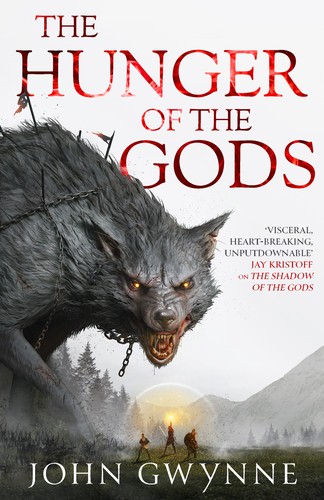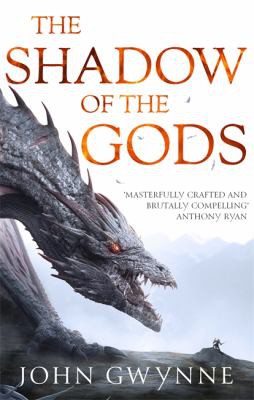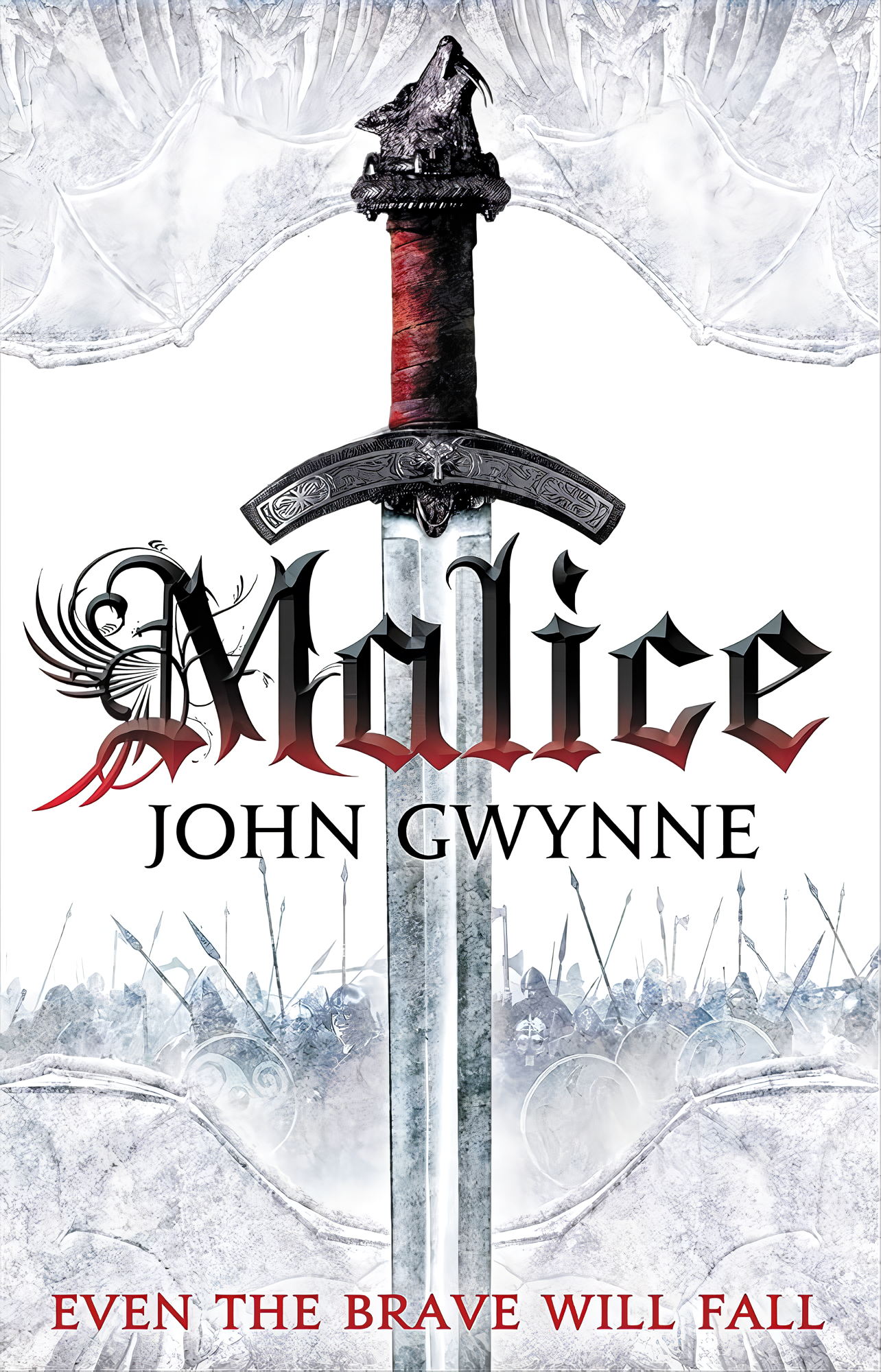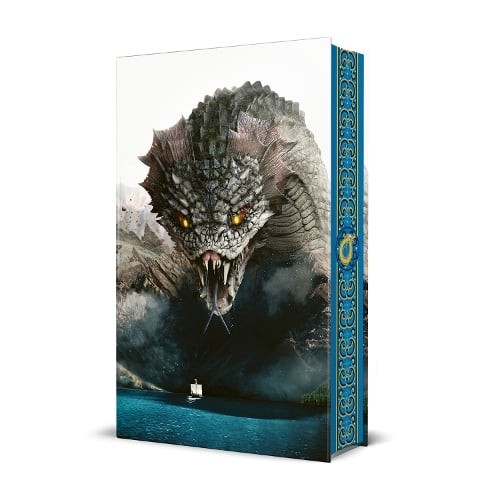
The Fury of the Gods gathers the Bloodsworn Saga’s scattered quests into one war against Lik-Rifa — and keeps its feet in the mud of the shield wall even as gods take the field. Gwynne retains the close physical detail that defines the series: exhaustion, weather, animal movement, the weight of a shield on a tired arm.
The finale works best when it remembers that the trilogy began with grief. Orka’s ferocity, Varg’s need for belonging and Elvar’s ambition have all changed shape, but none of them flattens into a generic chosen hero — their final decisions grow from obligations laid down across three books.
Varg’s arc is the most satisfying: he begins the saga defined by captivity and ends it able to choose service without surrendering himself. Elvar and Ulfrir provide the most complicated power dynamic — the wolf-god is necessary against Lik-Rifa, but necessity does not erase the history of his binding, and their cooperation works precisely because it stays uneasy.
The pace is relentless: 93 chapters of frequent viewpoint switches, secondary warriors squeezed into brief closing moments, and battle tactics that can blur at the largest scale. A character refresher helps.
As a conclusion it is decisive. The dragon-god war resolves, the family searches pay off, and the victory keeps its scars — Gwynne chooses earned mourning over frictionless restoration, which gives the final pages unusual weight for an action epic.