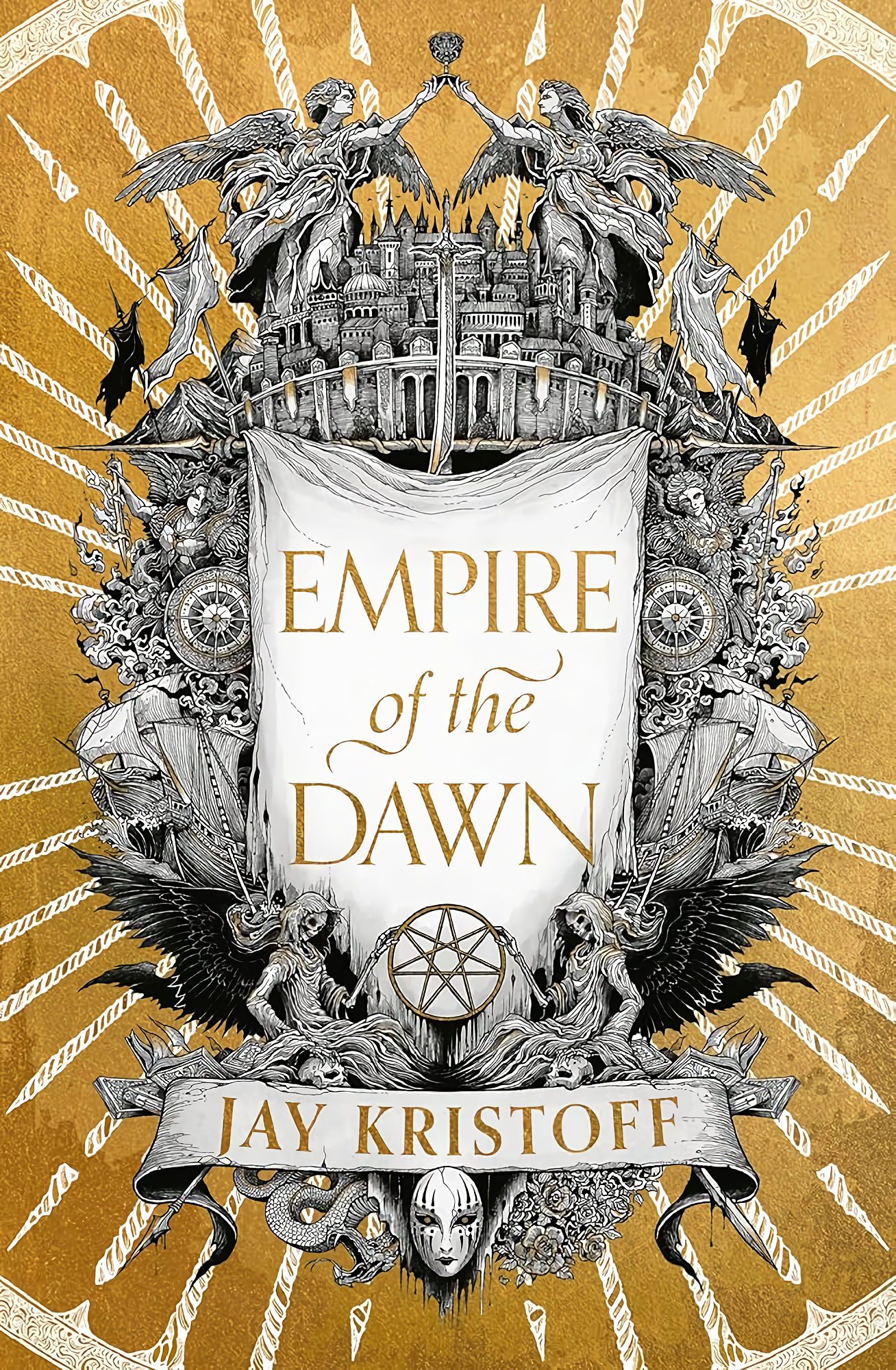
The trilogy finale is going to divide readers, and Kristoff knows it.
Empire of the Dawn finally collapses the framing device — the entire confession to Jean-François was a stalling tactic, most of the named deaths in book two were performance, the Esani siblings have been running the same long con for three books — and the reveal lands as either the most structurally audacious move of the trilogy or as a cheat that pulls every emotional blow back as feint. Both reactions are legitimate; this reviewer is closer to the first camp, but readers who have wept their way through 1,500 pages of grief only to learn that grief was theater will not be wrong to feel cheated.
The bones of the book are extraordinary. The chapel ritual at Charbourg is one of the best set pieces Kristoff has ever written. Aaron and Baptiste's death on a single spear is the cleanest gut-punch in the trilogy. The discovery that Daysdeath was always Fabién Voss's own engineered apocalypse retroactively justifies twenty-seven years of in-world misery. The Wulfric backstory finally gives Gabriel a paternal origin, and the Moonsthrone breach through the slopway is the kind of trojan-horse climax fantasy rarely earns.
There is flab on those bones, though: saggy middle chapters at the Barony of León — the Ilon-in-the-forge sequence drags — and a Phoebe sex scene that interrupts its own meta-commentary in a way that lands as too clever by half. Gonzalo Mendiverry's interior art is a major stylistic departure from Bon Orthwick's; it will read as gorgeous or as discordant depending on which you preferred. The book is also long, possibly fifty pages longer than it needs to be.
But the final hundred pages — the Moonsthrone breach, Margot losing her head to Dior's wolf jaws, the dawn over Sul Adair — deliver an ending that, for once, feels fully paid for. The image of Gabriel watching a horizon grow lighter for the first time in his adult life is the kind of last beat a trilogy this dark needed.
A flawed, ambitious, deeply felt conclusion. Not Kristoff's tidiest book; arguably his bravest.