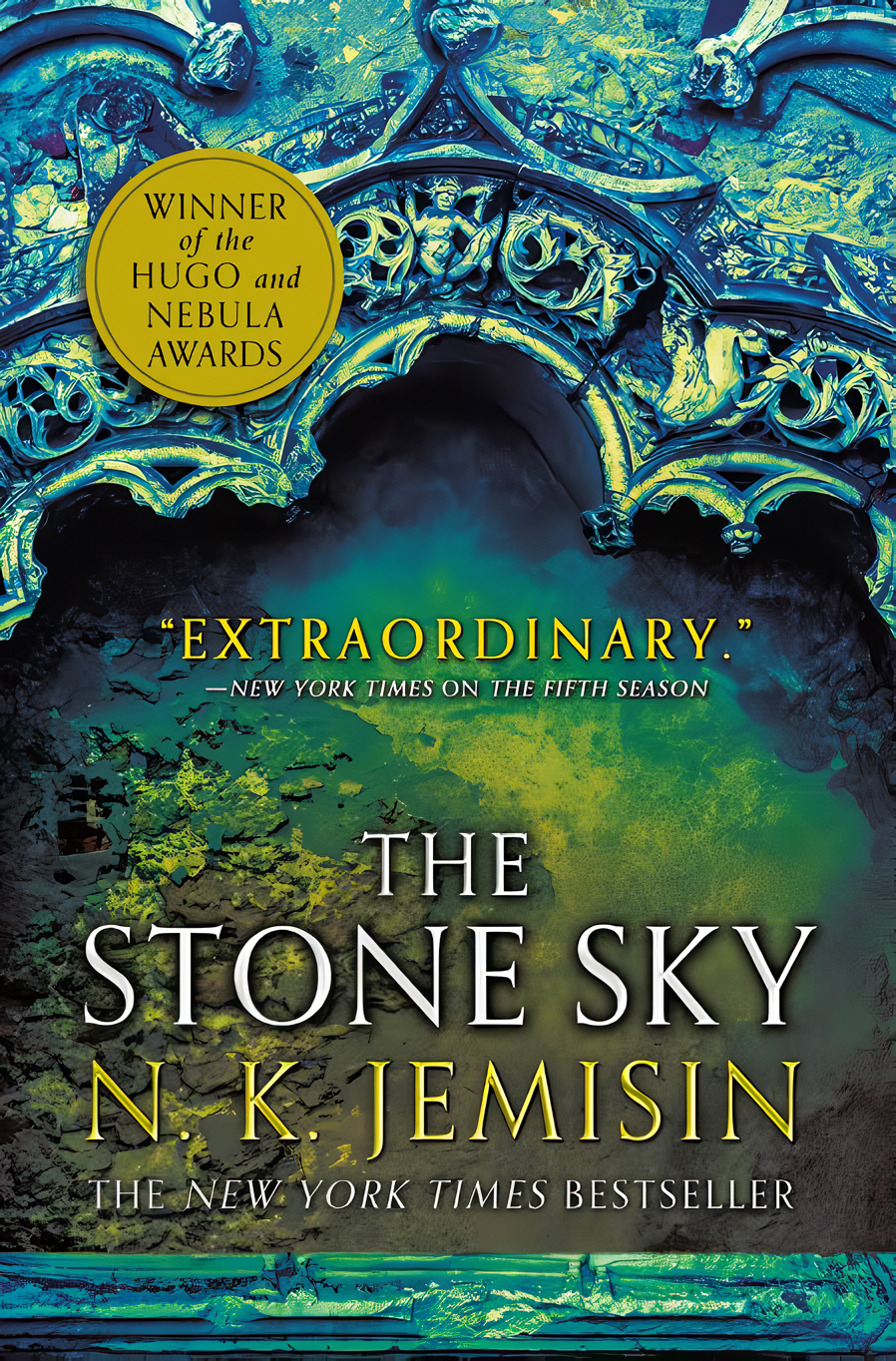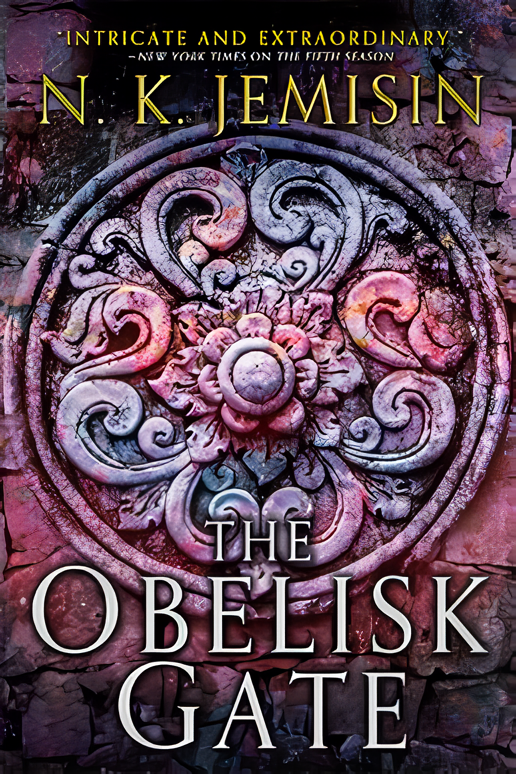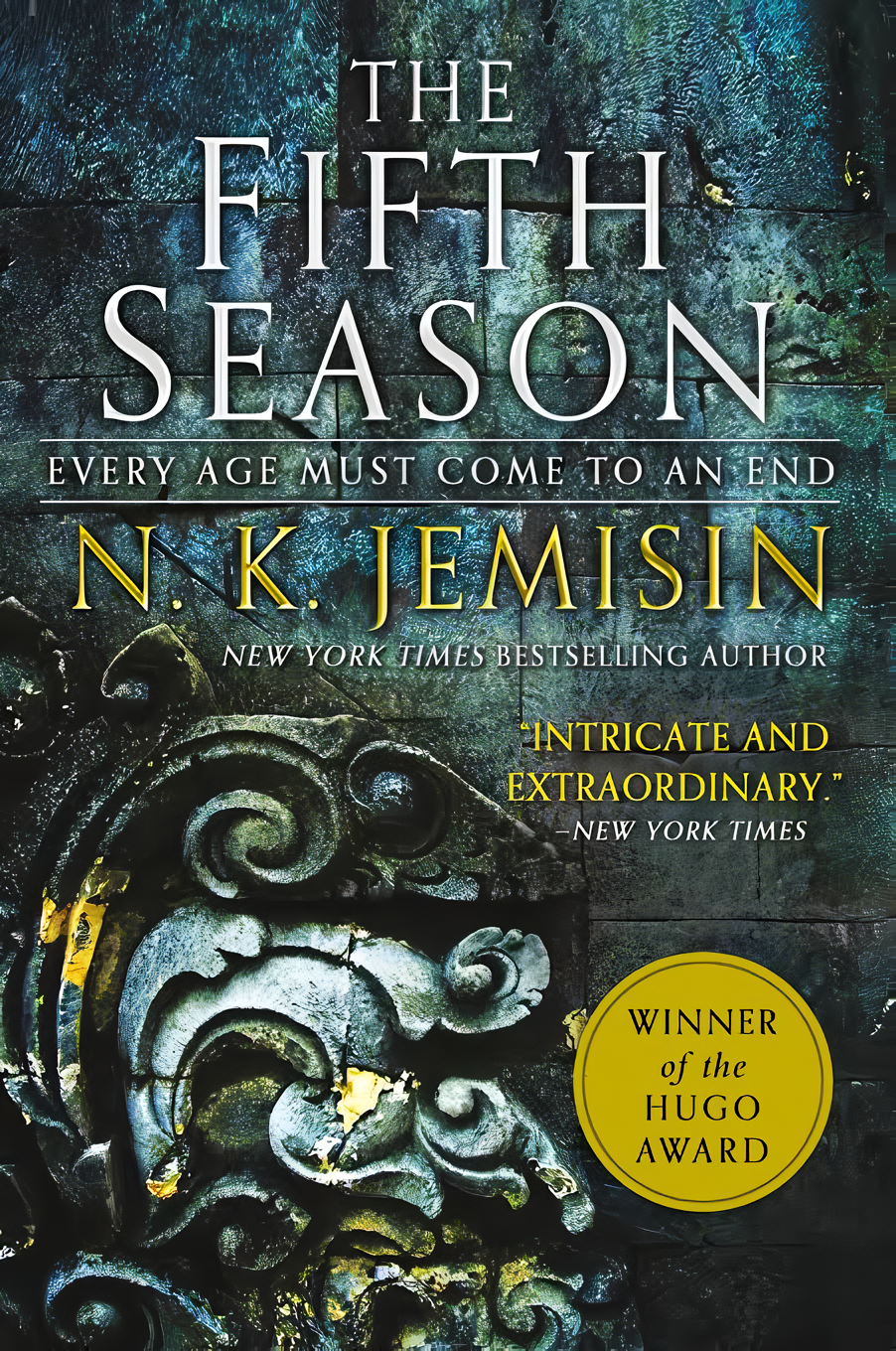
The Fifth Season changed what mainstream fantasy is allowed to be about, and unlike some books that carry that kind of reputation, it earns every inch of it on the page.
The headline facts are staggering on their own. It won the Hugo Award for Best Novel in 2016, and its two sequels won in 2017 and 2018 — making N.K. Jemisin the first author ever to win the genre's top prize three years running, and the first to win it for every book in a single trilogy. She was also the first Black author to win the Best Novel category at all. But awards are the least interesting thing about this book. What makes The Fifth Season remarkable is that it takes a formal risk most writers would never attempt, executes it flawlessly, and makes the risk itself the meaning of the story.
The structure is the first thing I would point anyone to. Jemisin braids three narratives — a middle-aged woman crossing a dying continent to find her daughter, a frightened girl being taken to a magical institution, an ambitious young woman on a mission with a man she despises — and tells the first entirely in the second person, that unusual, accusatory "you" that most creative-writing instructors warn against. What those three threads are actually doing, and why the book needed that "you," only becomes clear very late — and when it does, it retroactively rewrites everything you have read. I finished that chapter and turned straight back to the beginning to watch the machinery work. It is a structural gamble very few writers could land, and it lands because it is not a trick for its own sake: the fractured narrative is the fractured self of a woman surviving a world designed to break her.
The worldbuilding is equally uncompromising. Roshar and Middle-earth invite you in; the Stillness holds you at knifepoint. This is a supercontinent that tries to kill its inhabitants on a geological schedule, where civilization is organized entirely around surviving apocalypses that arrive every few centuries, and where the people who can actually control the earth's violence — the orogenes — are enslaved, lobotomized, and murdered precisely because they are indispensable. Jemisin builds the orogenes into the most unflinching allegory for systemic racism and slavery that mainstream fantasy has produced, and she refuses every comfort. The oppression here is not the work of a dark lord. It is bureaucratic, rationalized, and often loving: the Guardian who breaks a child's hand does it with genuine tenderness, and the horror is worse for it. The node-station chapter — in which a mother-to-be discovers what the empire actually does with the orogene children it deems too dangerous to train — is a scene I have never managed to forget — sickening and morally clarifying in the same stroke, and Jemisin makes you understand it as policy rather than sadism, which is the point.
At the book's center is a mother, and the book's emotional engine is what a mother will do inside a system built to destroy her children. Essun's search for her daughter gives the novel a moral weight that its apocalyptic scale could never supply on its own. Jemisin treats a woman's rage — at grief, at injustice, at a world engineered to break her — not as a flaw to be corrected but as a legitimate and even clarifying response, which is still rare in a genre that usually asks its heroes to master their anger. And the closing chapter poses the trilogy's central question without flinching: is a civilization founded on this much cruelty worth saving at all?
There are a few caveats worth naming. The learning curve is steep — Jemisin drops the reader into the Stillness's vocabulary (comms, use-castes, roggas, sessapinae, the Fulcrum) with minimal hand-holding, and the first fifty pages ask patience. The second-person voice, brilliant as it is, will not click for every reader. And the book is relentlessly dark: it opens with a murdered child and never once lets you feel safe. This is not a novel to hand someone who wants comfort. But none of these are flaws so much as the cost of admission for what Jemisin is doing, and she pays it back in full.
The wider genre conversation sometimes frames The Fifth Season as an "important" book, with the faint implication that importance and pleasure are different things. They are not, here. This is a fast, devastating, formally thrilling novel that is also as morally serious as anything the genre has produced. It reads fast, it hits hard, and it rewards a second pass more than almost any fantasy novel of its era, because on reread you can see how completely Jemisin was telling you the truth all along.
Five stars, without qualification. It is the strongest single volume in this library that isn't a trilogy's emotional climax, and it is the rare award-magnet that deserves every award it got.