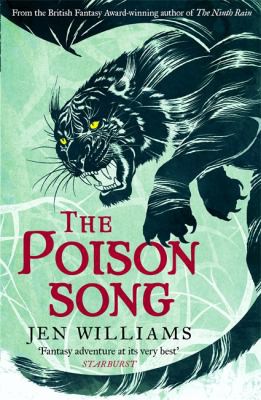
The Poison Song closes the Winnowing Flame trilogy with the scale of an invasion epic and the intimacy of a found-family story — and a victory bought with the life of the woman who wins it. Jen Williams gathers the series’ biological horror, archaeological mystery and romantic loyalties into one final campaign.
Vintage cannot overpower the Jure’lia, but she can revise bad assumptions faster than generals bound to tradition.
Vintage remains crucial because she translates discovery into cooperation. Vintage cannot overpower the Jure’lia, but she can revise bad assumptions faster than generals bound to tradition — her scholarship becomes a form of field command.
Noon gets the finale’s hardest choices. Her winnowfire can answer alien transformation with annihilation, but using it without restraint would reproduce the enemy’s indifference to individual life; Tormalin matters most when his support protects her agency rather than replacing it. And Hestillion’s link to the Queen keeps its moral complexity — the book neither excuses her nor discards her as a disposable traitor.
The short chapters create velocity and fragmentation in equal measure: viewpoints change just as scenes gain momentum, and the roster of creatures, locations and secondary fighters is substantial. Do not start here without a recap.
The conclusion earns its hope through irreversible loss. Noon destroys the Jure’lia with the largest winnowfire blast ever made and dies doing it — and in the epilogue She Who Laughs restores Ygseril, curing the crimson flux at last and burning the Jure’lia varnish off the land.