The Book in Brief
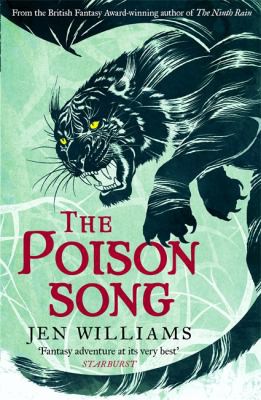
As the Jure’lia offensive accelerates, the defenders of Sarn struggle to unite fractured human, Eboran and fell-witch forces. Vintage hunts for the knowledge that can turn survival into a plan; Noon and Tormalin cross war zones gathering allies while facing the possibility that her winnowfire may have to be used at a fatal scale; and Hestillion’s link to the Queen becomes both a threat of assimilation and a route into the invaders’ vulnerability. The Behemoths’ own history proves central to the counterattack, and the final assault destroys the Queen’s control at enormous cost, leaving the survivors a changed ecology and a future built on chosen bonds.
Important Characters
Vintage: Explorer and strategist whose historical knowledge makes a new alliance possible.
Noon: A fell-witch whose control of winnowfire can save Sarn or devastate it.
Tormalin: An Eboran fighter committed to Noon and forced to reconsider his people’s legacy.
Hestillion: An Eboran bound to the Jure’lia Queen, both compromised agent and possible source of resistance.
The Jure’lia Queen: The coordinating intelligence behind the invasion and its transformations.
Bern and Aldasair: Companions whose courage and vulnerability represent the broader coalition.
The war-beasts: Ygseril’s dragon, griffin and fox creatures — Vostok, Kirune, Sharrik, Helcate, Celaphon — bonded to their riders and decisive in the war.
What to Remember from the Previous Book
The Poison Song directly follows The Bitter Twins. The new volume assumes the earlier relationships, betrayals and world rules are already familiar. The opening chapters supply context through action, but they do not retell the prior novel in full.
Ending Explained
The Queen falls to Noon, who releases the largest blast of winnowfire the world has seen and dies in it. Vintage’s scholarship and the war-beasts make the assault possible, but the killing act is a single sacrifice. Hestillion’s final role holds responsibility and exploitation together — resistance does not erase the harm she enabled, but a damaged person is allowed a meaningful choice against the force that used her. And the changed world cannot resume its former hierarchy: Eborans, humans, fell-witches and nonhuman beings have all demonstrated agency, so rebuilding becomes a question of shared belonging rather than restored purity.
Themes and Analysis
Transformation Versus Erasure. Change can sustain life, while the Queen’s version eliminates independent identity.
Agency. Noon and Hestillion are both judged by whether they can choose under systems built to use their bodies.
Knowledge in Action. Vintage turns scholarship into a coalition and a battlefield plan.
Ecological Interdependence. The fate of peoples, war-beasts and the land itself cannot be separated into human and nonhuman stories.
Hope After Irreversible Loss. The ending builds a future without pretending the prewar world can be recovered.
Content Notes
This book contains graphic warfare, major-character deaths, body horror, parasitism and possession, captivity, reproductive horror, grief and trauma.