The Book in Brief
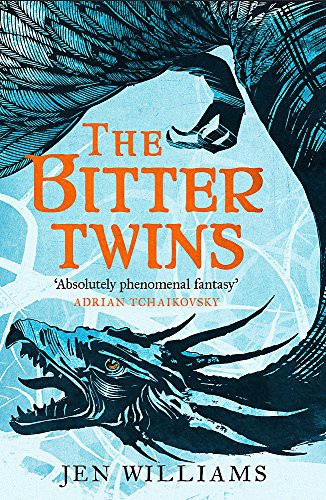
With the Jure’lia adapting and incursions spreading across Sarn, Vintage researches relics, war-beasts and the distorted history of the earlier Rains; her discoveries tie the parasite spirits to the souls of war-beasts that could not return to a dead Ygseril. Noon learns to direct her winnowfire while leaders scheme to use her, and Tormalin tries to protect her without deciding for her. Isolated and resentful, Hestillion falls under the Jure’lia Queen’s influence, her position between Eboran identity and alien intimacy becoming the novel’s most dangerous betrayal. A major assault leaves the defenders damaged, the old alliances broken, and the shape of the final war clear.
Important Characters
Lady Vincenza “Vintage” de Grazon: An explorer whose scholarship and empathy expose the war’s suppressed history.
Noon: A fell-witch learning to use winnowfire while resisting institutions that define her as a weapon.
Tormalin the Oathless: An Eboran warrior balancing love, family and the violent legacy of his people.
Hestillion: Tormalin’s sister, whose isolation makes her connection to the Jure’lia increasingly consequential.
The Jure’lia Queen: The intelligence directing the invasion through Behemoths, burrowers and assimilation.
Bern and Aldasair: Allies whose practical resistance keeps the conflict grounded beyond the principal trio.
The Behemoths: The Jure’lia’s living ships, one of which — the corpse moon — carries Hestillion.
What to Remember from the Previous Book
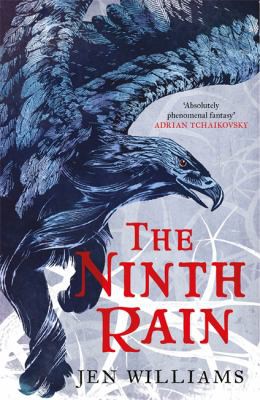
The Bitter Twins directly follows The Ninth Rain. The new volume assumes the earlier relationships, betrayals and world rules are already familiar. The opening chapters supply context through action, but they do not retell the prior novel in full.
Ending Explained
The defenders survive but lose the comfort of their inherited story: the Jure’lia are not merely external monsters, and Eboran greatness cannot be separated from the practices that left both Noon and Hestillion vulnerable. Hestillion’s fall is never reduced to simple possession — the Queen exploits real loneliness and grievance, which makes the betrayal humanly intelligible even as its consequences turn catastrophic. The close favors knowledge over nostalgia: Vintage, Noon and Tormalin must build a coalition based on what the world now is, preparing the final book’s attempt to end the cycle rather than repeat an old victory.
Themes and Analysis
History and Propaganda. Vintage discovers that heroic memory omitted the costs paid by less powerful people.
Being Valued as a Weapon. Noon’s allies must learn to care about her life beyond her usefulness.
Alienation and Recruitment. Hestillion’s betrayal grows from grievances that the enemy recognizes and manipulates.
Bodies as Territory. The Jure’lia invasion works through transformation, possession and reproductive control.
Coalition Over Purity. Survival depends on alliances that reject old racial and political hierarchies.
Content Notes
This book contains body horror and parasitic transformation, war and graphic violence, coercion and captivity, sexual references, reproductive horror, grief, betrayal and creature deaths.