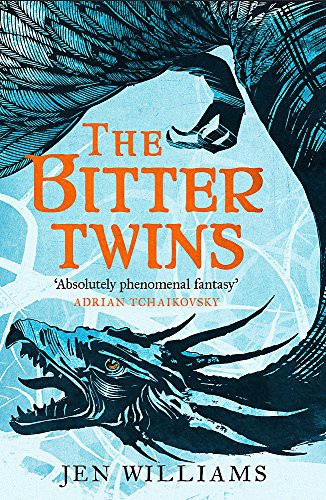
The defenders survive but lose the comfort of their inherited story: the Jure’lia are not merely external monsters, and Eboran greatness cannot be separated from the practices that left both Noon and Hestillion vulnerable. Hestillion’s fall is never reduced to simple possession — the Queen exploits real loneliness and grievance, which makes the betrayal humanly intelligible even as its consequences turn catastrophic. The close favors knowledge over nostalgia: Vintage, Noon and Tormalin must build a coalition based on what the world now is, preparing the final book’s attempt to end the cycle rather than repeat an old victory.
Themes and What the Ending Means
History and Propaganda. Vintage discovers that heroic memory omitted the costs paid by less powerful people.
Being Valued as a Weapon. Noon’s allies must learn to care about her life beyond her usefulness.
Alienation and Recruitment. Hestillion’s betrayal grows from grievances that the enemy recognizes and manipulates.
Bodies as Territory. The Jure’lia invasion works through transformation, possession and reproductive control.
Coalition Over Purity. Survival depends on alliances that reject old racial and political hierarchies.