Empire of Silence is easy to describe badly. Call it "Dune with a first-person narrator" and you capture the noble houses, engineered aristocracy, sword culture, religious authority, and hostility toward forbidden machines. You also miss what makes Christopher Ruocchio's novel addictive. Its real engine is the distance between Hadrian Marlowe as a young man and Hadrian Marlowe as the infamous Sun Eater writing his confession centuries later.
The best books like Empire of Silence therefore need more than a galactic empire. They should offer some combination of memoir, exile, deep time, philosophical argument, imperial institutions, alien mystery, and a protagonist slowly becoming the dangerous legend promised at the beginning. A few books on this list resemble the world. Others resemble the voice. The strongest do both.
This ranking measures resemblance, quality, and usefulness to a reader deciding what to pick up next. The top entries recreate Hadrian's confessional grandeur and baroque far future. Lower entries isolate a particular pleasure: a Romanized ruling class, a culture seduced by empire, war with a truly alien people, or the suspicion that history has misunderstood its most famous man.
These are not substitutes for The Sun Eater. They are routes into the older traditions Ruocchio draws upon and the newer epics now working beside him.
10
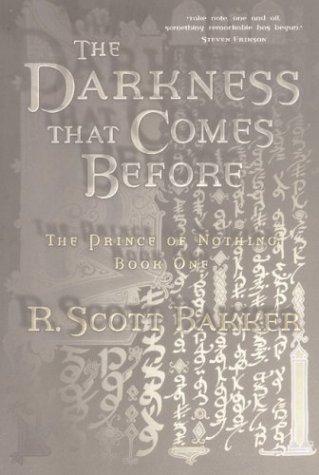
The Darkness That Comes Before
R. Scott Bakker · 2003 · The Prince of Nothing, Book 1
Closest Empire of Silence Connection Philosophical epic fantasy,
Main Difference It is secondary-world fantasy with multiple
historical catastrophe, religious war, and a charismatic figure whose legend becomes more dangerous than the man
viewpoints and a far more nihilistic moral atmosphere
Bakker begins with nations, schools of sorcery, religious factions, and rulers converging on a holy war. Into that crowded history walks Anasûrimbor Kellhus, a man trained to read expression, motive, and belief with terrifying accuracy. He does not merely persuade people. He identifies the story each person needs and becomes its answer.
That makes The Darkness That Comes Before a useful companion to Empire of Silence. Both are interested in the manufacture of historical significance. Hadrian knows the titles posterity gave him and keeps testing them against the confused person he once was. Kellhus moves in the opposite direction, deliberately constructing the authority that other people will mistake for destiny. In both, myth is not decoration around power; myth is one of power's most efficient forms.
The novel is slow, dense, and thick with theology, philosophy, political maneuvering, and names that arrive before their importance becomes clear. It also contains extreme misogyny and sexual violence, sometimes as subject and sometimes as a limitation of the world Bakker chooses to emphasize. Readers should not approach it casually.
For those comfortable with its darkness, the series offers a ruthless version of questions Ruocchio asks more romantically. Can a person remain morally legible after history turns him into a symbol? Does understanding other people create empathy or merely better tools for control? And what happens when a civilization's oldest enemy returns while everyone is occupied with the story of its newest savior?
We reviewed this: read our full review of The Darkness That Comes Before →
9
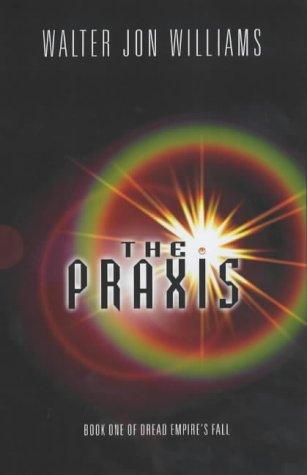
The Praxis
Walter Jon Williams · 2002 · Dread Empire's Fall, Book 1
Closest Empire of Silence Connection An aristocratic galactic
Main Difference It is an ensemble military space opera rather than
empire, rigid social rank, military tradition, alien peoples, and a civilization entering historical crisis
a personal confession
For millennia, the Shaa have imposed the Praxis—their supposedly perfect social order—on a multispecies empire. When the last Shaa dies, the rules remain but the authority behind them does not. Ambitious species, resentful subjects, and constrained officers discover that an eternal system has entered the most dangerous phase of its life: the moment after everyone realizes it can change.
Williams builds hierarchy from etiquette, patronage, birth, species, and military doctrine. Gareth Martinez is a talented officer limited by provincial origins despite his family's wealth. Caroline Sula possesses a more dangerous past than her rank permits. Their careers unfold inside a culture that prizes correct forms even when those forms produce strategic stupidity.
Readers who enjoyed the Sollan Empire as an institution will find much to recognize. Both settings are enormous, old, and convinced that longevity proves legitimacy. Both preserve archaic social orders beside advanced machines. Both are defined by relationships between humans and alien civilizations, although Williams gives those aliens more direct participation in government and war from the beginning.
What The Praxis lacks is Hadrian's singular voice. Its pleasures are procedural: fleet maneuvers, duels, appointments, courtship, logistics, and officers learning which laws survive first contact with rebellion. The prose is cleaner and the pace faster. Choose it when the imperial machinery of Empire of Silence interested you as much as the man caught inside it.
8
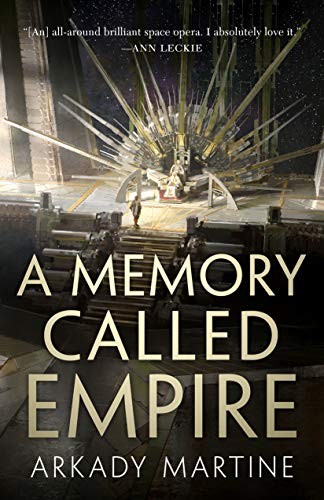
A Memory Called Empire
Arkady Martine · 2019 · Teixcalaan, Book 1
Closest Empire of Silence Connection Imperial culture, strategic
Main Difference Its decisive weapons are language, poetry,
memory, political succession, long historical identity, and an outsider drawn toward the civilization threatening to absorb her
diplomacy, and cultural prestige
Mahit Dzmare arrives at the capital of the Teixcalaanli Empire as ambassador from tiny Lsel Station. Her predecessor is dead, the emperor's succession is unstable, and the implanted memory of that predecessor is years out of date and malfunctioning. She must investigate a murder while hiding the technology that allows her people to carry the experience of the dead.
The connection to Empire of Silence lies less in spectacle than in cultural pressure. Hadrian rebels against the brutal certainties of his house, yet he remains shaped by noble education, imperial history, and the belief that he is entitled to act on a vast stage. Mahit knows Teixcalaan can destroy her home, but she has spent her life loving its language and verse. Neither character can simply step outside empire because empire has already helped form the self doing the resisting.
Martine also treats memory as political technology. Lsel's imago machines preserve continuity within individuals, while Teixcalaan preserves itself through names, poems, ceremonies, and a historical imagination that makes conquest sound like inclusion. Hadrian's memoir performs a related struggle over who owns the meaning of a life.
There are no gladiatorial arenas, ancient alien wars, or sword-bearing palatines here. The novel's action is comparatively restrained, and its murder mystery matters less than the contest over belonging. Readers who loved Hadrian's encounters with language, translation, scholarship, and imperial self-justification may find this quieter novel unexpectedly close.
7

The Faded Sun: Kesrith
C. J. Cherryh · 1978 · The Faded Sun, Book 1
Closest Empire of Silence Connection Human-alien war, cultural
Main Difference It begins after a war and distributes attention
misunderstanding, honor, diplomacy, and one human's dangerous sympathy for an enemy facing extinction
across human and alien viewpoints
The mri have served as mercenaries for the regul for generations. Their rigid society was built around honor, caste, and survival in war. Then humanity entered the conflict and fought with an industrial ferocity the mri could not match. On Kesrith, as territories change hands and the regul maneuver to preserve themselves, the surviving mri appear to be approaching extinction.
Cherryh specializes in the difficulty of understanding an alien culture without translating it into a disguised version of our own. Customs that look irrational acquire coherence from inside. Human decency does not automatically create comprehension. Good intentions can be another form of arrogance when a person assumes every species values survival, individuality, loyalty, or truth in the same way.
That is the strongest bridge to Hadrian's story. He wants to speak with the Cielcin before he understands what peace would require or what parts of his own imperial identity he carries into the attempt. Duncan, the human drawn toward the mri, faces a related conflict between species loyalty and the recognition that the official enemy possesses a history humans have not bothered to learn.
Kesrith is older and more austere than Empire of Silence. It offers less romantic grandeur, less comedy, and none of Hadrian's confessional performance. Its alien politics arrive through patient observation rather than revelation. For readers most compelled by Hadrian the xenobite—the scholar who believes contact can mean something other than extermination—this is the essential recommendation.
6
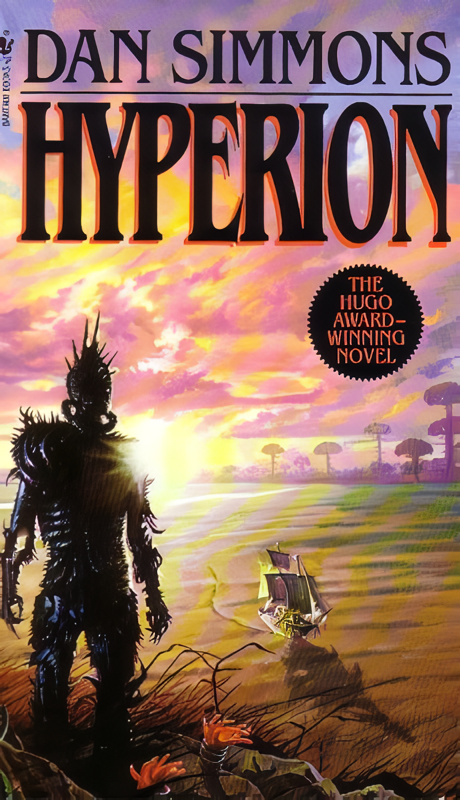
Hyperion
Dan Simmons · 1989 · The Hyperion Cantos, Book 1
Closest Empire of Silence Connection Cosmic mystery, pilgrimage,
Main Difference It is a mosaic of linked stories and ends before
interstellar war, ancient forces, religion, time, and private lives caught inside civilizational change
its central pilgrimage resolves
Seven travelers journey toward the Time Tombs as war approaches the planet Hyperion. Each pilgrim has encountered the Shrike, a metallic being worshipped as a god and feared as a monster. During the journey, they tell the stories that brought them toward a place where time moves in the wrong direction.
The structure turns space opera into personal testimony. One tale is military tragedy, another detective story, another body horror, and another a devastating account of parental love under time dilation. The Hegemony, artificial intelligences, religious institutions, and the invading Ousters all interpret Hyperion differently because each needs the mystery to authorize a different future.
Like Empire of Silence, the book makes scale a moral problem. Civilizations speak in abstractions—war, expansion, survival, transcendence—while individuals endure the physical cost. Both novels place religious language beside technology without allowing one to cancel the other. An explained miracle can remain a miracle when its consequences exceed anyone's ability to control them.
The first volume is deliberately incomplete; The Fall of Hyperion supplies the resolution. Its many voices also mean it cannot provide the sustained companionship of Hadrian's narration. What it offers is the same vertigo: the sense that personal grief, alien intelligence, ancient machinery, and imperial strategy have begun converging on a point history will never describe honestly.
We reviewed this: read our full review of Hyperion →
5
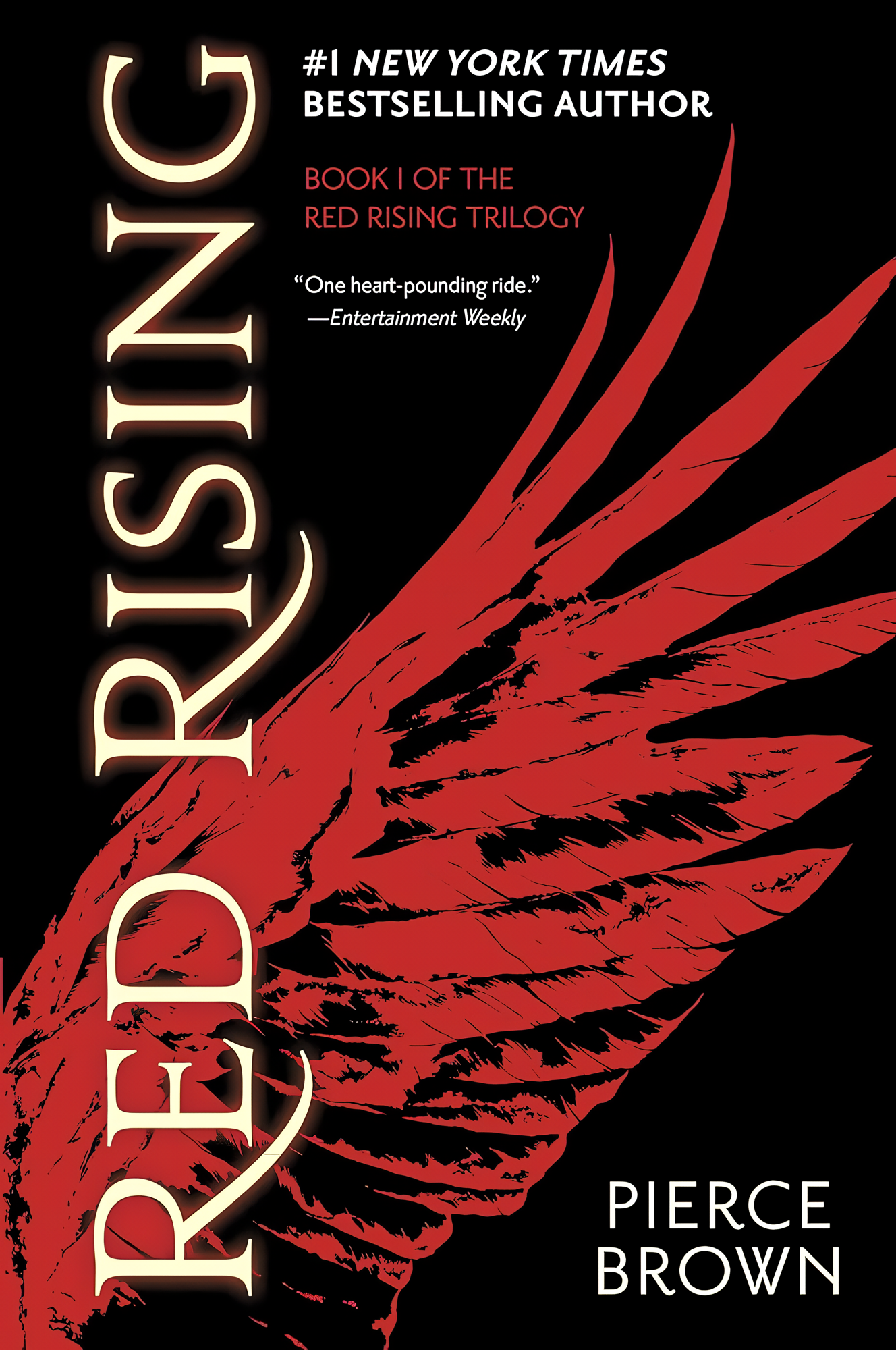
Red Rising
Pierce Brown · 2014 · Red Rising Saga, Book 1
Closest Empire of Silence Connection Roman aristocracy, engineered
Main Difference It is faster, more plot-driven, and openly
human castes, sword culture, violent education, rebellion, and a young man becoming a political legend
revolutionary rather than retrospective and meditative
Darrow is a Red miner beneath Mars who believes his labor is preparing the planet for future generations. He learns that Mars has already been transformed and his people are being exploited to support a Solar System ruled by the Gold caste. Remade physically as a Gold, he enters the Institute to learn the ruling class from within.
The surface similarities are plentiful: Roman names, family houses, genetically stratified humanity, duels, ceremonial violence, and an elite that treats domination as civilization. Both Darrow and Hadrian cross class boundaries through bodily danger and performance. Both acquire names larger than themselves, then discover that a legend can command sacrifices its creator never consciously requested.
Temperament separates them. Darrow begins with a political purpose and is driven by loss toward rebellion. Hadrian begins with a desire to escape responsibility and repeatedly finds history waiting wherever he runs. Brown accelerates; Ruocchio accumulates. The Institute condenses social warfare into a brutal game, while Empire of Silence spends long stretches allowing failed plans and compromised relationships to reshape its protagonist.
The first Red Rising is also narrower and more young-adult in architecture than its sequels, which expand into the galactic politics that make the comparison stronger. Choose it if you want the houses, gravitas, and mythmaking of Empire of Silence with much less waiting between reversals. Continue at least through Golden Son to see the true scale of Brown's world.
We reviewed this: read our full review of Red Rising →
4
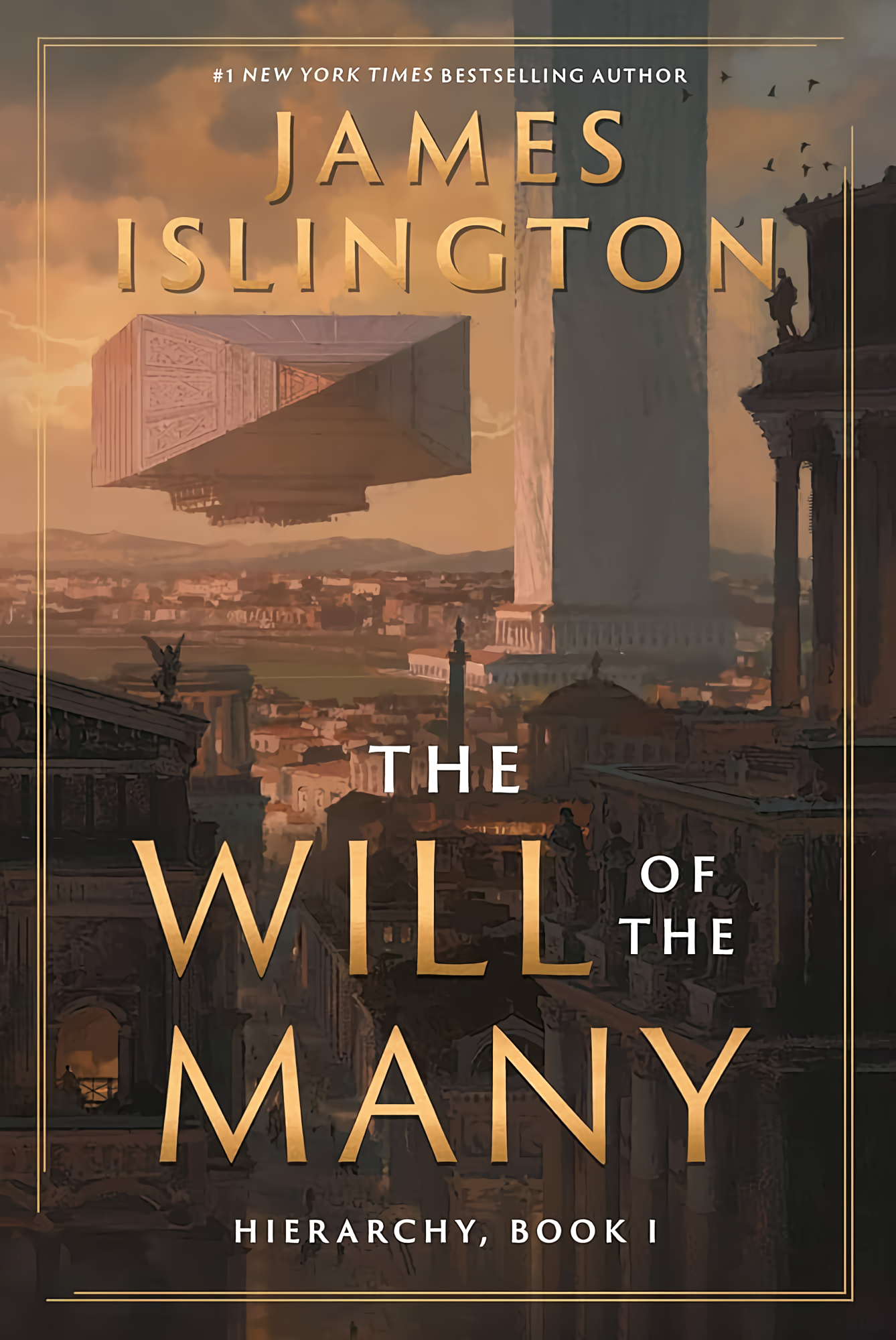
The Will of the Many
James Islington · 2023 · Hierarchy, Book 1
Closest Empire of Silence Connection A fallen heir hiding his
Main Difference It is a tightly engineered mystery-thriller in a
identity, Roman imperial culture, elite education, forbidden knowledge, and power built from enforced hierarchy
fantasy world rather than a reflective space opera
Vis is the orphaned prince of a conquered nation, living under an assumed identity inside the Catenan Republic. When he is forced to enter the elite Academy, he must compete among the children of the ruling class while investigating secrets buried beneath the institution. The empire's power comes from Will, which citizens cede upward through a pyramid of social rank.
Hadrian and Vis share the dangerous education of aristocratic sons. Both are trained to perform obedience, conceal parts of themselves, and read rooms where status can kill. Both resent the father figures attempting to assign their futures. Both discover that refusing one role does not leave a person free; it often makes him available for another faction's design.
Islington's magic system gives hierarchy a literal mechanism. The many surrender strength so the few can become extraordinary. Ruocchio's palatines are born into engineered superiority, but the social logic is similar: inequality is presented as the technology that keeps civilization stable. Each novel asks what happens when a privileged young man sees the machinery clearly without yet understanding his own place in it.
The Will of the Many moves much faster. Its puzzles are announced, its academy provides a strong central structure, and its ending is designed to detonate reader theories. It lacks Hadrian's melancholy distance and the immense historical texture of the Sollan Empire. Pick it for the fallen-heir plot, imperial schooling, and the pleasure of watching a brilliant protagonist survive a system built to measure him.
We reviewed this: read our full review of The Will of the Many →
3
The Name of the Wind
Patrick Rothfuss · 2007 · The Kingkiller Chronicle, Book 1
Closest Empire of Silence Connection A famous man narrating his
Main Difference It is lyrical secondary-world fantasy focused on
youth, the gap between person and legend, exile, performance, scholarship, pride, and carefully managed confession
art and magic rather than galactic empire and alien war
Kvothe, once a figure of impossible reputation, is hiding as an innkeeper when he agrees to tell the true story of his life. The first day of that account follows childhood among traveling performers, devastating loss, years of poverty, and entry into the University, where talent repeatedly collides with pride and money.
This is the closest match for readers who love Hadrian's voice more than his setting. Both narrators know the ending while describing a younger self who does not. Both are theatrical, intelligent, wounded, self-conscious, and eager to correct history. Each insists upon the distinction between truth and rumor while using every skill of a storyteller to arrange the truth attractively.
The result is not simply an unreliable narrator puzzle. The older voice creates tragedy from ordinary decisions. A quarrel, boast, song, debt, or refusal matters because the reader is always asking how this person becomes the name announced at the beginning. Ruocchio's scale is more imperial, but the emotional design is strikingly similar.
The warning is significant: The Kingkiller Chronicle remains unfinished. The first book also romanticizes Kvothe's competence even as it exposes the vanity behind his mistakes. Readers impatient with University life may miss starships, aliens, and war. Readers who would happily listen to Hadrian explain himself for another thousand pages should meet the fantasy narrator most responsible for proving how powerful that structure could be.
2
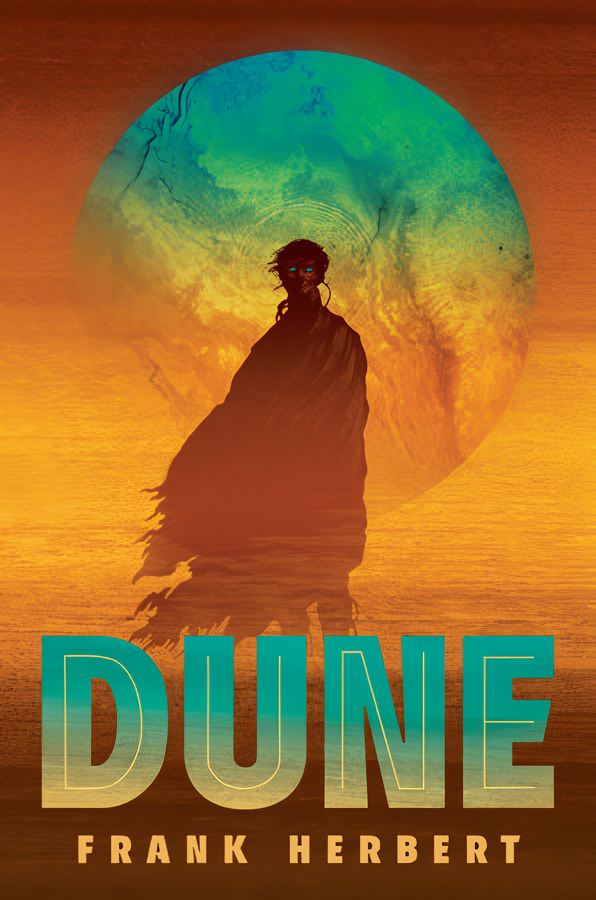
Dune
Frank Herbert · 1965 · Dune, Book 1
Closest Empire of Silence Connection Feudal space empire,
Main Difference It is an omniscient political tragedy centered on
engineered elites, religious manipulation, noble houses, sword combat, forbidden technologies, and an heir overtaken by historical destiny
ecology and messianic power rather than a first-person confession
Paul Atreides travels with his family to Arrakis, the desert world that produces the spice essential to imperial civilization. House Atreides has been given the planet as part of a trap. Betrayal pushes Paul into Fremen society, where political training, inherited abilities, prophecy, and ecological knowledge transform a fugitive heir into a revolutionary messiah.
Ruocchio's debt to Herbert is visible and intentional. The Sollan Empire has great houses, selectively bred nobles, religious institutions, ritual blade culture, and restrictions on advanced machines. Hadrian's education, family conflict, and sensitivity place him in conversation with Paul. Both young men want to believe awareness will let them avoid becoming the figure history appears to demand.
The difference matters more than the resemblance. Herbert compresses an imperial revolution into a novel driven by systems: ecology, economics, religion, and genetics. Ruocchio slows down to inhabit one consciousness across centuries. Paul sees possible futures before committing the acts that create them. Hadrian remembers his acts afterward and keeps revising the meaning of necessity.
If Empire of Silence was your first encounter with this kind of feudal science fiction, Dune is mandatory. If you have already read it, returning after Hadrian can be revealing. Paul's tragedy looks different beside a narrator who has had centuries to turn guilt into eloquence. Each book asks whether seeing the trap makes a person freer—or merely gives him a better speech when he steps into it.
We reviewed this: read our full review of Dune →
1
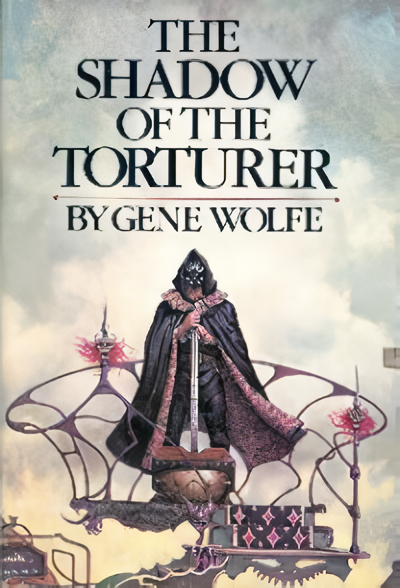
The Shadow of the Torturer
Gene Wolfe · 1980 · The Book of the New Sun, Volume 1
Closest Empire of Silence Connection Retrospective first-person
Main Difference It withholds explanations, hides science inside
narration, exile, deep time, baroque institutions, unreliable memory, moral self-justification, and a young man approaching a world-altering destiny
fantasy language, and expects the reader to reconstruct the truth
Severian is an apprentice in the Guild of Torturers on a dying Urth. He claims to forget nothing. After showing mercy to a prisoner, he is exiled from the guild and sent toward a distant appointment. His journey passes through a civilization so old that technology survives as relic, vocabulary, ceremony, and supposed miracle.
This is the clearest ancestor of Hadrian's confessional mode. Severian writes from a position of later authority, knowing what he became while arranging the reader's encounter with who he was. He can be precise without being honest, remorseful without surrendering control, and intelligent without understanding his own motives. Hadrian is warmer and more openly argumentative, but both narrators make autobiography feel like a trial in which the defendant has appointed himself judge.
Wolfe also supplies the deeper resemblance beneath the voice. Institutions turn violence into tradition. Ancient technologies exceed the knowledge of those who use them. Religion, empire, myth, and cosmic intervention overlap until no clean genre boundary remains. A seemingly episodic exile gradually reveals itself as movement through a design too large for the traveler to recognize.
The book is difficult. It rarely explains its vocabulary, Severian's treatment of women is disturbing, and major revelations may register only on rereading. Readers who want the clarity and momentum of later Sun Eater volumes may find it cold. Readers who love Hadrian precisely because his beautiful sentences make them wonder what he has omitted will find the closest and most rewarding match.
We reviewed this: read our full review of The Shadow of the Torturer →