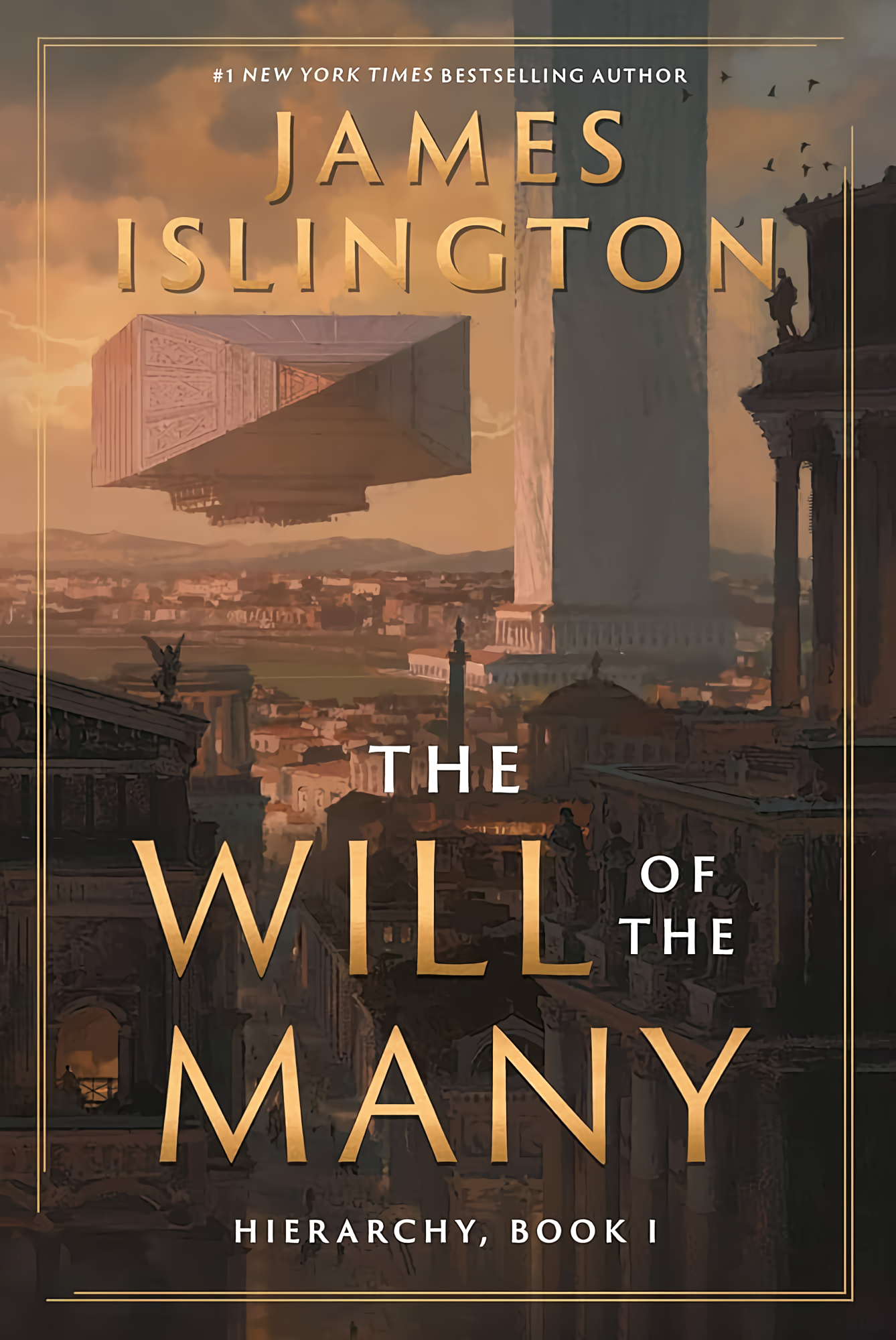
James Islington's first novel after the Licanius trilogy is a dark-academia heist set inside a Roman-inflected magical empire, and it is the most assured single fantasy novel of the last three years.
Vis Telimus — secretly Diago, last prince of a country the Catenan Republic murdered — claws his way from the lowest class of the empire's elite Academy to the top through five hundred meticulously plotted pages of training, betrayal, and slow conspiracy. The magic system, in which every citizen "cedes" Will upward to those above them in an eight-tier pyramid, is the most lucidly designed political magic system since Mistborn, and Islington wears the system lightly — it is never explained when it could be demonstrated, and never demonstrated when it could be felt.
The Solivagus Labyrinth set piece is genuinely uncanny. The Iudicium contest is structured like a chess problem and resolved like a knife fight. The dawning realization of what Aequa has actually been doing in the background lands as cleanly as any reveal in recent fantasy. Vis himself is a superb protagonist — competent without being a Mary Sue, traumatized without being inert, funny in the dry register of a man who has been hiding for three years and has gotten very good at it. The supporting cast (Callidus, Eidhin, Emissa, the blind tutor Lanistia) is sketched with unusual care for a fantasy this plot-forward.
The epilogue's reality-shattering trick is structurally daring; some readers will love it, others will close the book annoyed at having to wait for the sequels to know what it means. Either reaction is fair. What is not in dispute is that Islington has written a fantasy novel of remarkable patience: where the rest of the genre is breathless, The Will of the Many takes the time to build a world that actually works.
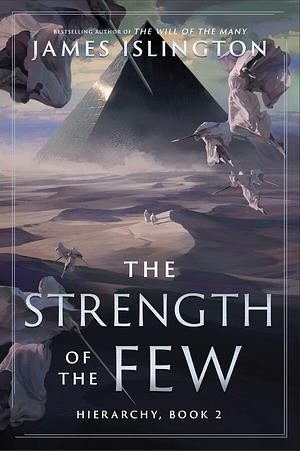
If you like Pierce Brown's politics, Naomi Novik's universities, and Brandon Sanderson's worldbuilding rigor, this is your next obsession. The sequel, The Strength of the Few, is finally here — there has rarely been a better time to catch up.