The Book in Brief
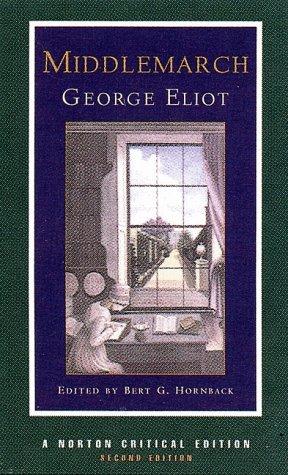
Dorothea Brooke longs for a life of intellectual and moral purpose, mistakes the dry scholar Edward Casaubon for a guide to it, and marries him despite family doubts. In Rome she discovers his work is sterile and their marriage emotionally barren. His jealousy focuses on his young cousin Will Ladislaw, whose friendship awakens Dorothea; Casaubon dies after trying to bind her future conduct and leaves a codicil that disinherits her if she marries Will.
The ambitious doctor Tertius Lydgate enters Middlemarch hoping to reform medicine and joins the new hospital backed by banker Nicholas Bulstrode. He marries the beautiful Rosamond Vincy without understanding her expectations. Debt, professional hostility, and their mutual inability to speak honestly turn the marriage into a struggle for control.
Rosamond's brother Fred expects an inheritance from Peter Featherstone, but receives nothing and instead harms the Garth family through a guaranteed debt. His love for Mary Garth and Caleb Garth's example push him toward useful work. Featherstone's property passes to Joshua Rigg, whose stepfather Raffles arrives with knowledge that Bulstrode built his respectability upon fraud and the suppression of another family's claim.
Bulstrode's attempt to silence Raffles leads to Raffles's death under suspicious care just after Bulstrode lends Lydgate money, publicly compromising both men. Dorothea believes Lydgate and helps clear his debt; her return to Rosamond after a painful misunderstanding also enables Rosamond to tell her that Will loves Dorothea. Dorothea gives up Casaubon's property to marry Will, Fred earns Mary, while Lydgate abandons his reforming ambition and dies young after a prosperous but disappointing career.
Important Characters
Dorothea Brooke: An ardently idealistic heiress whose mistaken marriage teaches her to turn aspiration into practical sympathy.
Edward Casaubon: Dorothea's older husband, a defensive scholar consumed by an unfinishable Key to All Mythologies.
Will Ladislaw: Casaubon's artistic, politically liberal cousin, who loves Dorothea and later becomes her husband.
Tertius Lydgate: A gifted reforming doctor whose pride, debt, and marriage compromise his scientific ambitions.
Rosamond Vincy: Lydgate's elegant wife, trained to expect comfort and skilled at passive resistance.
Fred Vincy: Rosamond's improvident brother, gradually disciplined by love for Mary and work with Caleb.
Mary Garth: Caleb's perceptive daughter, who refuses both Featherstone's corrupt request and Fred's unearned promises.
Caleb Garth: An honest land agent whose reverence for useful work becomes Fred's moral education.
Nicholas Bulstrode: A religious banker whose hidden financial wrongdoing returns through Raffles.
Mr. Farebrother: A humane clergyman and naturalist who loves Mary but advocates generously for Fred.
Mr. Brooke and Sir James Chettam: Dorothea's amiable uncle and dependable brother-in-law, each limited but often well meaning.
Peter Featherstone and John Raffles: The miserly landowner and the blackmailer whose money plots connect the Vincys, Garths, and Bulstrode.
Chapter-by-Chapter Summary
The headings and sequence follow the complete Project Gutenberg edition: a prelude, 86 numbered chapters, and a finale.
Prelude
The narrator invokes Saint Theresa and imagines later women whose equally ardent natures find no recognized epic channel, establishing Dorothea's historical predicament.
Chapter I
Dorothea and Celia divide their dead mother's jewels; Dorothea's puritanical ideals clash with her pleasure in beauty, while Celia quietly forms her own judgments.
Chapter II
At Tipton, Dorothea contrasts Sir James Chettam's ordinary attentions with Casaubon's scholarly gravity and begins imagining the older clergyman as a spiritual teacher.
Chapter III
Casaubon proposes marriage in a formal letter, and Dorothea accepts because she believes joining his intellectual work will give her life a great purpose.
Chapter IV
Mr. Brooke and Celia react uneasily to the engagement, but Dorothea defends Casaubon and begins forging the choice that will constrain her.
Chapter V
Dorothea visits Lowick and interprets Casaubon's house, parish, and unfinished scholarship through the hopeful vision of becoming his devoted assistant.
Chapter VI
Mrs. Cadwallader condemns the match while Sir James absorbs his disappointment, illustrating how provincial talk turns private decisions into social property.
Chapter VII
Sir James redirects his affection toward Celia and works with Dorothea on new cottages, discovering a companionable relationship without concealed passion.
Chapter VIII
Dorothea and Celia discuss the engagement more frankly, and Celia's practical objections reveal how impatient Dorothea has become with anything that resists her ideal.
Chapter IX
Wedding preparations continue as Dorothea longs for a perfect rule of life and Casaubon receives her devotion without recognizing its emotional demands.
Chapter X
The Casaubons marry and depart for Rome, while the narrative widens from Dorothea's hopes toward the other ambitions and households of Middlemarch.
Chapter XI
The Vincy family is introduced: Fred depends on expectations from Featherstone, Rosamond dreams above her station, and Mary Garth remains clear-eyed about both.
Chapter XII
Fred asks Mary whether Featherstone will confirm his inheritance and worries about a debt guaranteed by Caleb Garth; Mary refuses to flatter him.
Chapter XIII
Bulstrode pressures Mr. Vincy in business while Lydgate enters the dispute over the new hospital, exposing the town's mixture of medicine, money, and religion.
Chapter XIV
Featherstone toys with Fred and gives him money, but Fred's larger bill remains secured by Caleb Garth and threatens an innocent family's finances.
Chapter XV
Lydgate's education, scientific theory, and disastrous fascination with the actress Laure explain the proud ambition with which he arrives in Middlemarch.
Chapter XVI
Rosamond studies Lydgate as a desirable husband and arranges encounters, while he mistakes her polished attention for uncomplicated admiration.
Chapter XVII
Lydgate meets Farebrother's affectionate household and admires the clergyman's mind, though the visit also reveals the financial pressures behind Farebrother's compromises.
Chapter XVIII
The hospital chaplaincy contest forces Lydgate to support Bulstrode's candidate Tyke over Farebrother, making his first reforming decision look like political submission.
Chapter XIX
In Rome, Will Ladislaw and the painter Naumann notice Dorothea, and Will recognizes both her beauty and the misery hidden inside her honeymoon.
Chapter XX
Dorothea breaks down after Casaubon rejects her offer of help; the grandeur of Rome intensifies her loneliness and her first recognition that the marriage is empty.
Chapter XXI
Will visits Dorothea, speaks with an ease Casaubon lacks, and gives her a glimpse of intellectual companionship without yet openly challenging the marriage.
Chapter XXII
Naumann sketches Casaubon and Dorothea while Will's presence sharpens Casaubon's resentment; Casaubon refuses responsibility for Will's career.
Chapter XXIII
Fred buys and trades horses in hopes of solving his debt, but an accident destroys the expected profit and leaves him facing the full obligation.
Chapter XXIV
Fred's default forces the Garths to sacrifice their savings, and the harm to their modest household makes his gambling on inheritance morally concrete.
Chapter XXV
Fred apologizes to Mary and declares his love; she will not promise herself to a man without a vocation, then goes upstairs when Featherstone summons her.
Chapter XXVI
Fred's serious illness brings Lydgate into the Vincy home, displaces Dr. Wrench, and produces both medical resentment and more opportunities for Rosamond.
Chapter XXVII
Rosamond and Lydgate move toward intimacy, but a summons to Lowick interrupts the courtship and draws the doctor into the Casaubons' crisis.
Chapter XXVIII
The Casaubons return from Rome; Dorothea seeks purpose through cottages and Will, while Casaubon's work hangs over the house like a damp atmosphere.
Chapter XXIX
Casaubon suffers a heart attack, and Lydgate warns Dorothea that another may be fatal; Sir James offers her the brotherly trust her husband cannot.
Chapter XXX
During Casaubon's recovery, Brooke invites Will to work in Middlemarch, and Casaubon's suspicion grows even though Dorothea is not told the full contents of his response.
Chapter XXXI
Lydgate finally declares himself to Rosamond, and their engagement is accepted amid the Vincys' optimistic assumptions about his income and prospects.
Chapter XXXII
Featherstone's relatives crowd Stone Court in anticipation of his death, performing concern while calculating their possible shares of his estate.
Chapter XXXIII
Featherstone orders Mary to burn one of his wills and offers money for the act; she refuses, and he dies clutching his keys and cash.
Chapter XXXIV
Featherstone's theatrical funeral gathers the expectant family while Brooke looks for Will, linking the inheritance drama with Middlemarch politics.
Chapter XXXV
The will leaves Stone Court to the stranger Joshua Rigg, devastating Fred's expectations and proving Featherstone's last exercise of control.
Chapter XXXVI
Lydgate and Rosamond marry, each relying on an imagined psychological and financial arrangement that the other has never actually accepted.
Chapter XXXVII
Casaubon learns Will intends to remain in Middlemarch, forbids him to visit Lowick, and begins preparing further means to frustrate him.
Chapter XXXVIII
Will edits Brooke's reform newspaper while Caleb resumes managing Brooke's neglected estates, joining political idealism to overdue practical work.
Chapter XXXIX
Will and Dorothea meet under Casaubon's prohibition, and Brooke's tenant Dagley publicly exposes the neglect hidden beneath the landlord's reforming talk.
Chapter XL
Caleb and Farebrother discuss Fred's future, and Farebrother undertakes to guide the young man toward honest work despite his own private love for Mary.
Chapter XLI
Raffles arrives at Stone Court, recognizes Rigg, and uses a discarded letter to connect the property with Nicholas Bulstrode's concealed past.
Chapter XLII
Casaubon asks Dorothea to promise blind obedience to an unnamed future command; she delays answering, then walks with him just before his final collapse.
Chapter XLIII
Casaubon's death leaves Dorothea stunned while others begin calculating her widowhood, and Lydgate anticipates her support for the new hospital.
Chapter XLIV
Dorothea and Lydgate discuss the hospital and Casaubon's illness, while Lydgate returns home to the growing loneliness created by mistrust of Rosamond.
Chapter XLV
Professional rivals attack Lydgate and his hospital alliances, but Rosamond treats the conflict as an unattractive inconvenience rather than a threat.
Chapter XLVI
Will works for Brooke and visits the Lydgates, where his friendship with Rosamond grows; Lydgate shields his pregnant wife from worsening public tensions.
Chapter XLVII
Casaubon's codicil declares that Dorothea loses his property if she marries Will, publicly attaching suspicion to an affection she has not admitted.
Chapter XLVIII
Dorothea sits beside the dead Casaubon and confronts the final silence of their marriage, unable to repair or complete what he refused to share.
Chapter XLIX
Sir James wishes to hide the codicil from Dorothea, while Brooke turns toward parliamentary ambition and the family tries to manage scandal and inheritance.
Chapter L
Dorothea learns the codicil's meaning and defends Will against Celia's dislike, realizing that his sympathy differs profoundly from Casaubon's rigidity.
Chapter LI
Brooke's reform speech collapses under heckling and a mocking effigy; he abandons the campaign, and Will decides to leave by his own choice.
Chapter LII
Farebrother tells Mary that Fred has renounced the church and pleads his case, performing a generous duty harder than confessing his own love.
Chapter LIII
Raffles confronts Bulstrode with the story of the banker's fraudulent rise and receives money to leave, though Bulstrode knows the threat may return.
Chapter LIV
Dorothea and Will remain separated by pride, propriety, and Sir James's hostility even as each continues to imagine the other's judgment.
Chapter LV
Dorothea gradually claims widowhood as a moral independence, while Will reflects that her chosen solitude would itself be noble.
Chapter LVI
Caleb takes Fred into his land-agent business, giving him the disciplined work through which he can become worthy of Mary.
Chapter LVII
Fred fears Farebrother may win Mary, but her loyalty rests on Fred's possible improvement rather than on wealth or clerical status.
Chapter LVIII
Lydgate tells Rosamond that their debts require a complete change of life, and her resistance makes him dread every future discussion of money.
Chapter LIX
Will visits Rosamond while she secretly appeals to her father for financial help, and her disobedience deepens Lydgate's sense of exclusion.
Chapter LX
Will learns more about his family connection to Bulstrode but refuses the idea that tainted money or ancestry can determine his worth.
Chapter LXI
Raffles returns and blackmails Bulstrode again; Bulstrode takes comfort in believing Will will not publish the shameful history.
Chapter LXII
Will considers a last approach to Dorothea, spends an evening with the Lydgates, and leaves Middlemarch without securing his future with her.
Chapter LXIII
Farebrother's domestic talk brings Mary, Fred, and the strained Lydgates into view, showing how supposedly little choices govern larger lives.
Chapter LXIV
Lydgate arranges the humiliating public sale of household goods and angrily recognizes how debt has reduced his independence to calculations he despises.
Chapter LXV
Lydgate discovers Rosamond appealed secretly to Sir Godwin; their quarrel exposes a marriage in which each treats the other's will as unreasonable.
Chapter LXVI
Driven toward gambling at the Green Dragon, Lydgate stops short of complete surrender, while Farebrother reflects on love as both discipline and temptation.
Chapter LXVII
Lydgate asks Bulstrode for a loan and is refused, leaving bankruptcy or professional flight as the choices his pride must now weigh.
Chapter LXVIII
Bulstrode shelters the sick Raffles at Stone Court and tries to control what he can reveal; Caleb learns enough to resign from Bulstrode's service.
Chapter LXIX
Lydgate treats Raffles and orders that he receive no alcohol, after which Bulstrode unexpectedly offers the doctor the thousand pounds he needs.
Chapter LXX
Bulstrode allows his housekeeper to give Raffles alcohol and then supplies more himself; Raffles dies, while Lydgate is congratulated on the loan that will implicate him.
Chapter LXXI
At a public meeting Bulstrode is exposed and Lydgate's timely loan makes him appear complicit, prompting calls to uncover the truth and clear the doctor.
Chapter LXXII
Dorothea insists on believing Lydgate and plans both moral and financial help, resisting Sir James's readiness to accept the town's verdict.
Chapter LXXIII
Lydgate gives Dorothea his account of the loan and Raffles's treatment, but chooses to wait rather than accuse Bulstrode without proof.
Chapter LXXIV
Harriet Bulstrode learns her husband's disgrace and silently joins him, offering the loyalty that his own secrecy never deserved.
Chapter LXXV
Rosamond experiences the public and financial humiliation chiefly as an injury no one recognizes, increasing the solitude inside her marriage.
Chapter LXXVI
Dorothea pays Lydgate's debt to Bulstrode and prepares to visit Rosamond, combining practical rescue with an effort to repair the couple's trust.
Chapter LXXVII
Dorothea finds Will and Rosamond in an apparently intimate scene, leaves wounded, yet continues the other acts of help she had resolved upon.
Chapter LXXVIII
After Dorothea's interruption, Will rejects Rosamond's emotional claim and Lydgate misreads his wife's nervous change as the effect of Dorothea's visit.
Chapter LXXIX
Lydgate's renewed quarrel with Rosamond and Will's sense of guilt show how the misunderstanding burdens all three households.
Chapter LXXX
Dorothea endures a night of jealousy and grief, then turns suffering into sympathy and walks back to Middlemarch to help Rosamond.
Chapter LXXXI
Dorothea's honest appeal breaks Rosamond's defenses; Rosamond reveals that Will loves Dorothea and accepts some responsibility for Lydgate's pain.
Chapter LXXXII
Will prepares to leave again, uncertain whether Dorothea will ever meet him beyond the barriers created by money, pride, and the codicil.
Chapter LXXXIII
Miss Noble brings Will to Lowick, where he and Dorothea finally declare their love after a near-farewell makes concealment impossible.
Chapter LXXXIV
Dorothea tells her family she will marry Will and surrender Casaubon's estate, choosing a shared life over wealth and social approval.
Chapter LXXXV
Bulstrode offers Stone Court and financial support for Fred through Caleb, seeking a useful settlement even though his reputation cannot be restored.
Chapter LXXXVI
Fred and Mary secure their future together through work rather than inheritance, and their remembered umbrella-ring engagement gives the close domestic joy.
Finale
The finale traces Fred and Mary's contentment, Lydgate's lucrative but compromised career and early death, and Dorothea's marriage to Will, whose quiet influence survives in unhistoric acts.
Ending Explained
Does Dorothea lose Casaubon's money?: Yes. By marrying Will she triggers the codicil and gives up the estate, but retains her own smaller income and gains the companionship she was denied.
What becomes of Lydgate?: He leaves Middlemarch, becomes a fashionable and financially successful doctor, regards himself as a failure, and dies at fifty; Rosamond later remarries comfortably.
Do Fred and Mary marry?: Yes. Fred proves himself in Caleb's profession, writes a practical farming book with Mary, and ultimately gains Stone Court without depending on Featherstone's will.
Is Bulstrode punished for Raffles's death?: He is publicly disgraced and leaves Middlemarch. The law does not convict him, but his authority collapses and Harriet shares his exile.
What is the novel's final judgment on Dorothea?: Her life is not publicly heroic, yet her sympathy and choices diffuse through other lives; Eliot makes unrecorded goodness a real historical force.
Themes and Motifs
Idealism and usefulness: Dorothea and Lydgate begin with grand purposes but learn that moral worth depends on the practical forms those purposes take.
Marriage and misrecognition: The central marriages are built from projections that later harden into disappointment or are corrected through honesty.
Money and dependence: Inheritance, debt, professional income, and property determine which ethical choices characters can afford to make.
Reputation: Middlemarch's public judgment can expose wrongdoing, punish innocence, or turn ambiguity into apparent fact.
Interdependence: No plot remains separate: private actions alter institutions, households, and opportunities far beyond their intended targets.
Historic and unhistoric lives: The finale rejects fame as the only measure of consequence and honors diffuse acts of care.
Content Notes
Includes death and serious illness, medical treatment, addiction and gambling, financial coercion, controlling marriage, emotional abuse, pregnancy loss, blackmail, possible medical killing, suicide references, religious hypocrisy, and period class, gender, and racial assumptions.
About the Book
Best for: readers who want the full Victorian social novel — four interlocking plots, a town as organism, and a narrator worth trusting. Narrative shape: a prelude, 86 chapters, and a finale, with consequences travelling between households through money, gossip, and kinship. Central contrast: grand purposes versus the practical forms — marriages, debts, votes, loans — those purposes must take. Overall assessment: 5/5 for scope, intelligence, and humanity. Source-checked scope: 88 distinct reading units in Project Gutenberg eBook #145; no front matter was counted as narrative content.
Primary text: George Eliot, Middlemarch, Project Gutenberg eBook #145. The complete text contains a prelude, 86 numbered chapters, and a finale. The review, plot account, ending analysis, and every structural recap in this guide were checked against that edition.
Selection evidence: Project Gutenberg Top 100 EBooks in the last 30 days — rank #35 with 89,936 downloads in the August 3, 2026 snapshot. Books already completed in the preceding batches were excluded.