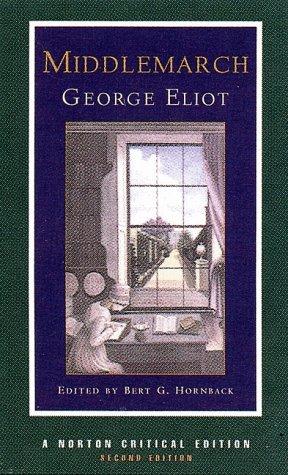
Middlemarch earns its scale by making consequences travel. Dorothea's disastrous marriage, Lydgate's professional ambition, Fred Vincy's debts, and Bulstrode's concealed past begin as separate matters, then cross through money, kinship, gossip, and institutional politics until no life can be understood alone.
George Eliot's great strength is moral attention without easy acquittal. Casaubon, Rosamond, Bulstrode, and even the impulsive Fred are judged, but the narrator keeps showing the fear or fantasy from which each damaging choice grows. That double vision makes the novel humane without making it soft.
George Eliot's great strength is moral attention without easy acquittal.
The pace is deliberately cumulative rather than suspense-driven. Political meetings, inheritances, medical quarrels, and marriage negotiations require patience, but almost every apparently minor exchange returns with greater weight. Dorothea's final acts matter precisely because she has learned to see beyond the heroic self-image with which she began.
Readers should expect a demanding Victorian narrator, long sentences, classical allusions, and several plots moving at once. The reward is an unusually complete account of moral influence: not who conquers the world, but how ordinary sympathy or selfishness alters the possibilities available to everyone nearby.