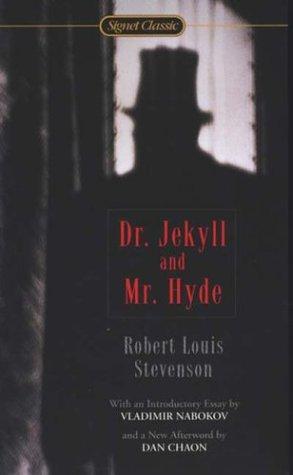
The novella works even when the central identity is known in advance because Stevenson delays motive rather than merely information. Utterson can connect Hyde to Jekyll's door, money, handwriting, and will, but he cannot imagine why a respectable doctor would grant such power to a visibly repellent man.
Utterson's restraint gives the horror room to accumulate. He is loyal, skeptical, and professionally trained to manage scandal, so each irrational fact carries extra weight. London becomes a map of divided lives: respectable squares and laboratories connected to neglected doors and nocturnal streets.
London becomes a map of divided lives: respectable squares and laboratories connected to neglected doors and nocturnal streets.
Jekyll's confession is powerful because the experiment does not simply release an equal evil twin. Hyde begins smaller because Jekyll has exercised that side less, then grows as indulgence becomes habit. The drug exposes division, but Jekyll's repeated choices give Hyde control.
The ending closes the physical mystery while leaving the moral problem intact. Jekyll wants a technical separation between virtue and vice, yet he keeps the social credit of one and the private freedom of the other. His catastrophe is the fantasy that consequences can remain partitioned.