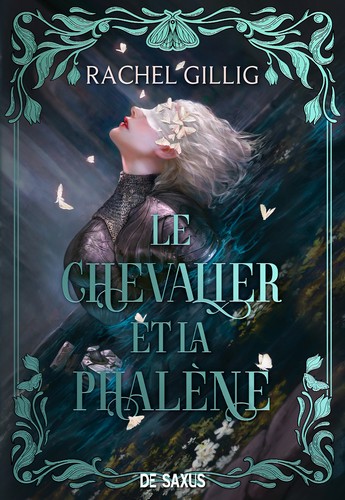
The Knight and the Moth begins as gothic convent horror and sharpens into a warning: destroying the institution that owned you is not the same as being free. Rachel Gillig’s setup is irresistible — six young women in a flooded cathedral dream prophetic Omens for the kingdom, ten years of service buying their promised freedom. Then five of them vanish on the eve of release, and the last, known only as Six, walks out with the blasphemous knight Rory to find them.
The book is at its best when it turns ritual into horror. Everything the cathedral taught Six to read as holiness — the spring, the deprivation, the gargoyles on the walls — is slowly reframed as the machinery of consumption, with the abbess Aisling as its operator. Six’s rebellion is convincingly uneven: years of conditioning do not lift because a handsome heretic rolls his eyes at them.
Prophecy never fails in this book; the institution just teaches everyone to read it wrong.
The quest structure is clever. Six’s final vision seems to name five sacred objects — coin, inkwell, oar, chime and loom stone — and the royal expedition treats them as relics that will stabilize the young king’s reign. Prophecy never fails in this book; the institution just teaches everyone to read it wrong: one by one the objects resolve into people, histories and weapons against the cathedral itself. The romance with Rory builds properly from antagonism, though it accelerates once the party reaches the mountains.
And then the ending refuses the rescue. Sybil — the name Six chooses for herself — brings Aisling and the cathedral down, and King Benji immediately demonstrates that a crown wants a captive prophet exactly as much as a church does. It is an admirably harsh reversal that turns a familiar romantasy shape into something colder.
The atmosphere occasionally outruns the clarity — magic, history and politics arrive as suggestive fragments, and some quest stages move faster than their consequences deserve. But as a gothic romance about institutional control, this is a strong series opener with a genuinely daring final page.