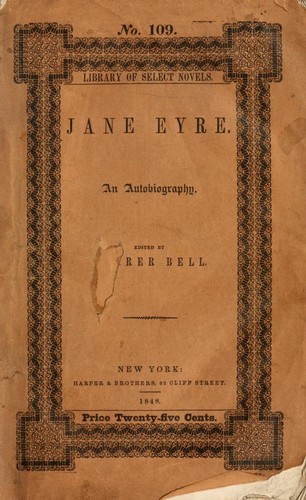
Jane Eyre remains gripping because its first-person voice converts every change of setting into a moral test. Gateshead, Lowood, Thornfield, Moor House, and Ferndean are not merely stages in Jane's life; each asks what she is willing to endure, desire, or refuse in order to belong.
The Thornfield romance is the novel's most famous movement, but its force depends on the childhood chapters. Jane's refusal to become Rochester's mistress grows from the same stubborn self-respect that made her resist John Reed and Mr. Brocklehurst. Brontë lets passion and principle collide without pretending either is weak.
Brontë lets passion and principle collide without pretending either is weak.
Modern readers may find the treatment of Bertha Mason troubling and the coincidences unusually convenient. Those problems are real, yet the novel's psychological intensity, Gothic atmosphere, and insistence on Jane's moral equality still give it extraordinary momentum.
The conclusion is satisfying because reunion follows material and ethical change. Jane returns with money, family, and freedom of choice; Rochester has lost the power that once made their relationship dangerously unequal.