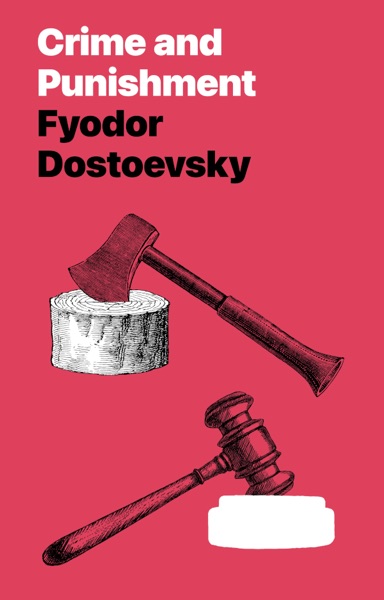
Crime and Punishment reveals its murderer before the murder, then spends most of its length dismantling the theory that made the act imaginable. Raskolnikov's 'extraordinary man' argument gives him a language of permission, but Dostoyevsky embeds the crime in poverty, illness, wounded pride, isolation, and a compulsive need to test himself. No single motive fully contains it.
The novel's most powerful scenes are confrontations that function like unstable trials. Porfiry questions Raskolnikov without immediately arresting him; Sonia hears a confession before the state does; Dunya faces Svidrigailov in a locked room; Luzhin manufactures evidence and sees it publicly dismantled. Truth emerges socially, under pressure, rather than as a clean private realization.
The novel's most powerful scenes are confrontations that function like unstable trials.
The crowded side plots are not digressions from Raskolnikov's moral crisis. Marmeladov, Katerina Ivanovna, Sonia, Dunya, Razumikhin, Luzhin, and Svidrigailov embody different responses to humiliation, need, appetite, and responsibility. Sonia's answer is not intellectual refutation but continued presence. Svidrigailov offers the darker parallel: a man who recognizes no binding moral relation and finally finds freedom empty.
The epilogue remains controversial because Raskolnikov's spiritual change arrives late and is only beginning when the book ends. That incompleteness is its strength. Punishment has not automatically produced repentance; love creates the possibility of a different story, not proof that the work is finished.