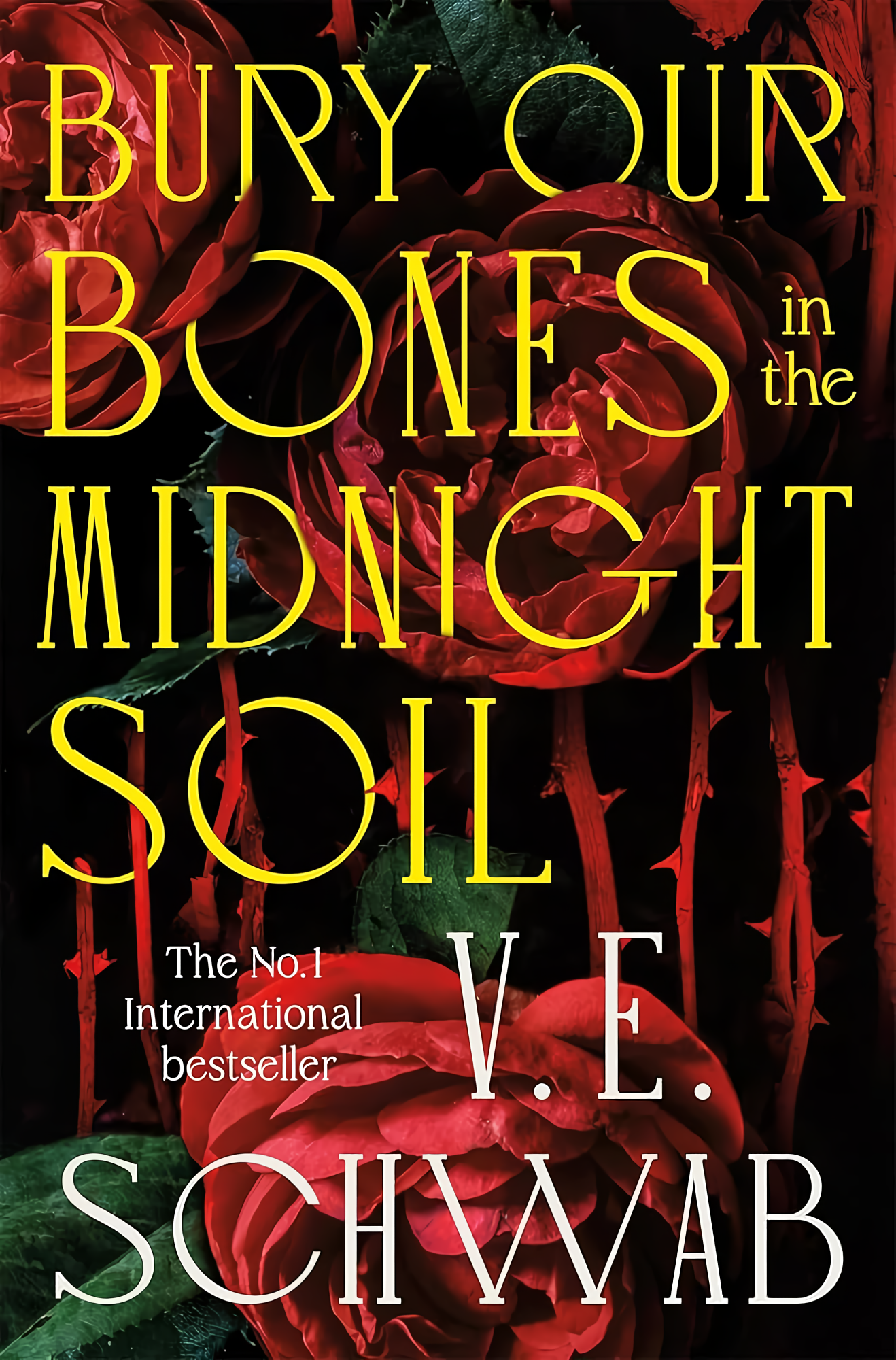
V.E. Schwab's first standalone since The Invisible Life of Addie LaRue is a five-hundred-year sapphic vampire novel that is somehow leaner and meaner than its premise suggests.
Three women — María in 1532 Spain, Charlotte in 1827 London, Alice in 2019 Boston — are connected by a single maker, the woman who buries herself under the name Sabine. Schwab's prose remains her divisive signature — lyrical, deliberate, occasionally purple — but the structural work here is her finest since Addie LaRue. The three timelines are interleaved with such precision that by the time Charlotte's full backstory lands in the book's third quarter, the reader already feels the weight of two centuries of harm. Every scene in the modern Boston frame is sharpened by what we have already seen María become.
Sabine is one of the best villains Schwab has written, in part because the novel refuses to redeem her, and in part because the book never lets the reader forget that Sabine was once a teenage girl with no other door to walk through. The arc from María (a clever village girl picking a viscount for an escape route) to Sabine (the rotting predator stalking Charlotte through London ballrooms) is not a transformation; it is a long erosion, and Schwab walks every step of it.
The vampire mechanics — the feral roses, the muted daylight, the grave-dirt sickness, the silver kill, the binding nature of vampire promises — are inventive without being precious. The novel's title image, drawn from a vampire's recited verse, is genuinely lovely.
The penthouse climax is a small chamber piece that earns its blood. The double kill — Alice killing Sabine, then Alice killing Lottie — is one of the cleanest endings Schwab has put on the page, and the realization that Alice was being set up by both makers for two hundred years lands harder than a conventional twist because Schwab has been signaling it the whole time.
Content warnings are significant — sexual violence, suicide of a sibling, addiction-coded feeding, domestic abuse, multiple brutal kills of women by women — and the ending offers no comfort. Bury Our Bones will not be every reader's romantasy.
It is, however, that rare bestseller with real teeth — I read the back half in one sitting.
A career-best for a writer who already had a strong claim on the title.