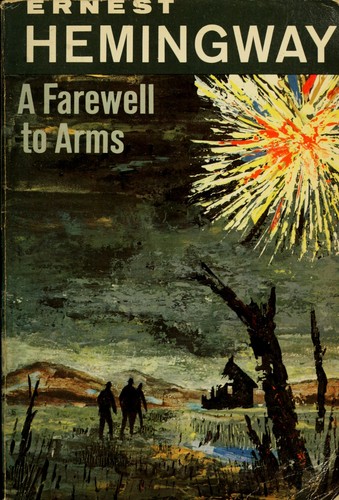
Frederic Henry narrates as if precision could protect him from meaning. Roads, wounds, meals, bottles, weather, and procedures arrive before explicit judgment, allowing the Italian campaign's absurdities to accumulate without speeches explaining what the reader should feel.
Frederic Henry narrates as if precision could protect him from meaning.
The romance begins as performance. Frederic says what Catherine Barkley wants to hear, while Catherine uses the flirtation to manage grief for her dead fiancé. Their attachment becomes real through repetition, injury, pregnancy, and flight, but the private language they build can never fully exclude war or chance.
The Caporetto retreat is the novel's structural center. Military order dissolves into traffic, panic, summary execution, and friendly fire. Frederic's leap into the Tagliamento is both literal escape and his declaration of a separate peace, though leaving the army cannot end vulnerability.
The final chapters refuse compensation. Switzerland offers beauty, shelter, and domestic time, not immunity. Catherine's labor turns the medical confidence surrounding birth into another failed campaign, and Frederic's walk back through rain closes the novel without revelation or consolation.