The Book in Brief
After shipwreck and separation, princes Pyrocles and Musidorus reach Arcadia and learn that King Basilius has withdrawn from government with Queen Gynecia and their daughters Pamela and Philoclea. To gain access, Musidorus disguises himself as the shepherd Dorus and Pyrocles as the Amazon Zelmane. The disguises attract not only the princesses but also Basilius and Gynecia, turning private courtship into dynastic danger.
Cecropia abducts the princesses and Zelmane to promote her son Amphialus, leading to siege, combat, and political rebellion. Later apparent death, concealed identity, and accusations place the princes on trial before Euarchus. Basilius revives, the legal catastrophe dissolves, and the composite continuation settles the kingdoms through marriages: Pyrocles with Philoclea, Musidorus with Pamela, and Amphialus with Helen of Corinth.
Important Characters
Pyrocles / Zelmane: A prince disguised as an Amazon to approach Philoclea.
Musidorus / Dorus: Pyrocles's cousin, disguised as a shepherd in pursuit of Pamela.
Philoclea: Basilius's younger daughter and Pyrocles's beloved.
Pamela: The elder princess, politically and intellectually formidable, loved by Musidorus.
Basilius: The Arcadian king whose retreat from government triggers private and public disorder.
Gynecia: The queen, perceptive enough to see through Zelmane's gender disguise but unable to master her desire.
Amphialus: A conflicted warrior whose love for Philoclea helps drive the abduction and siege.
Cecropia: Amphialus's ambitious mother and architect of the captivity.
Euarchus: The severe ruler who judges the princes during the apparent-murder crisis.
Helen of Corinth: The queen whose loyalty to Amphialus is rewarded in the continuation's settlement.
Book-by-Book Summary
The headings follow the six books of the composite Project Gutenberg edition, which incorporates continuations by later hands beyond Sidney's surviving design; the eclogues between books are interludes, not counted units.
Book 1
The shepherds Strephon and Claius recall the vanished Urania, then encounter Musidorus and Pyrocles after shipwreck and separation. The princes reach Arcadia, hear its recent history, and adopt the disguises of Dorus and the Amazon Zelmane to approach Pamela and Philoclea.
Book 2
Dorus and Zelmane pursue the princesses within Basilius's pastoral retreat while both Basilius and Gynecia become dangerously attracted to Zelmane. Embedded histories, songs, tournaments, and rival suitors enlarge the romantic web and test the disguises.
Book 3
Cecropia abducts Pamela, Philoclea, and Zelmane to advance Amphialus's claim, triggering siege warfare and a series of combats. Love, honor, and political rebellion collide as Amphialus is wounded, Cecropia falls, and the captives' identities become harder to contain.
Book 4
After the conflict, the lovers' concealments produce a new crisis around Basilius, Gynecia, and the disguised princes. Apparent death, accusations, and succession anxiety shift the romance from private pursuit to public judgment.
Book 5
Euarchus presides over the trials while Pyrocles and Musidorus still protect the women by limiting what they reveal. The legal case tightens around the princes until Basilius revives, the supposed murder dissolves, and the central identities can finally be acknowledged.
Book 6
The continuation restores political order and distributes the marriages: Pyrocles with Philoclea, Musidorus with Pamela, and Amphialus with Helen of Corinth. Rebellions are pardoned or settled, heirs are promised, and the royal households depart into the happy peace denied them earlier.
Ending Explained
How is the trial resolved?: Basilius revives, proving that the central murder accusation was founded on an apparent death. The princes can disclose their identities and the threatened executions end.
Which marriages close the edition?: Pyrocles marries Philoclea, Musidorus marries Pamela, and Amphialus marries Helen of Corinth.
Is this ending entirely Sidney's?: No. The Project Gutenberg edition identifies continuations and additions beyond Sidney's surviving design, so the sixth-book settlement belongs to a composite textual history.
Themes and Motifs
Identity and disguise: Gender, rank, costume, and storytelling repeatedly alter what love and authority can perceive.
Pastoral and politics: The king's attempt to escape public duty creates the instability he hoped to avoid.
Constancy under pressure: Captivity, jealousy, distance, and apparent betrayal test whether love is desire or disciplined loyalty.
Narrative abundance: Embedded tales and poems make digression a governing structure rather than an interruption.
Content Notes
Includes war, duels, kidnapping, imprisonment, apparent death, and threats of execution; coercive courtship, sexual jealousy, gender disguise, and attempted self-harm; early modern attitudes toward gender, class, nationality, religion, and race.
About the Book
Best for: readers of early modern literature who want the romance that shaped English fiction before the novel existed — and who can meet its density on its own terms. Narrative shape: six books in this composite edition — Sidney's design plus continuations that settle the kingdoms and marriages. Central contrast: pastoral retreat versus the erotic and political chaos it fails to keep out. Overall assessment: 3.5/5 for capaciousness and influence against real demands on patience. Source-checked scope: 6 distinct reading units in Project Gutenberg eBook #70854; front matter and eclogue interludes were not counted as narrative units.
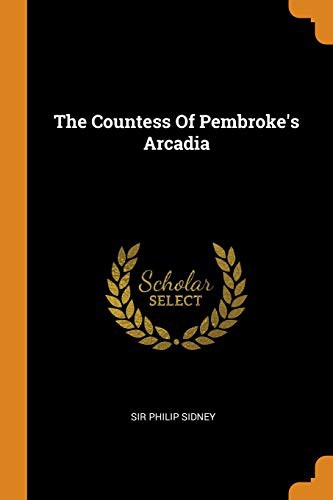
Primary text: Sir Philip Sidney, The Countess of Pembroke's Arcadia, Project Gutenberg eBook #70854. The edition presents six books and explicitly incorporates continuations and additions by later hands; the sixth-book settlement belongs to that composite history. The review, plot account, ending analysis, and every structural recap in this guide were checked against that edition.
Selection evidence: Project Gutenberg Top 100 EBooks in the last 30 days — rank #54 with 81,775 downloads in the August 4, 2026 snapshot. Books already completed in the preceding batches were excluded.