The Book in Brief
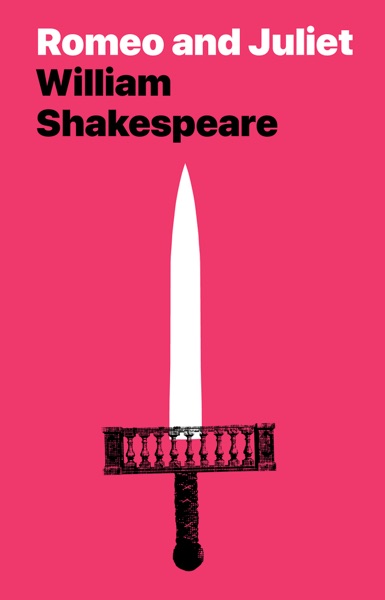
In feud-divided Verona, Romeo Montague enters a Capulet feast and falls in love with Juliet Capulet. They discover one another's identities only after pledging themselves. With help from Friar Lawrence and Juliet's Nurse, they marry secretly the next day, hoping their union might also reconcile the families.
Tybalt challenges Romeo, but Romeo refuses to fight his new relative. Mercutio takes up the quarrel and is fatally wounded; Romeo kills Tybalt and is banished. After a single wedding night, Romeo leaves for Mantua. Juliet's parents then demand that she marry Paris, and her refusal triggers threats and isolation.
Friar Lawrence gives Juliet a potion that will mimic death while a message summons Romeo. The message fails to reach him. Believing Juliet dead, Romeo buys poison, kills Paris at the tomb, and dies beside her. Juliet wakes, finds Romeo dead, and kills herself with his dagger. Their parents finally end the feud over the bodies.
Important Characters
Romeo Montague: An impulsive young Montague whose love for Juliet quickly replaces his infatuation with Rosaline.
Juliet Capulet: A thirteen-year-old Capulet who develops extraordinary resolve as family authority closes around her.
Mercutio: Romeo's brilliant, provocative friend, whose death changes the direction and tone of the play.
Tybalt: Juliet's hot-tempered cousin, devoted to Capulet honor and hostile to Romeo.
Friar Lawrence: The friar who marries the couple and devises the failed potion-and-message plan.
The Nurse: Juliet's longtime caregiver, affectionate and practical until her advice to marry Paris breaks Juliet's trust.
Lord and Lady Capulet: Juliet's parents, who shift from arranging her future to coercing her obedience.
Lord and Lady Montague: Romeo's parents and heads of the opposing house; Lady Montague dies of grief at her son's banishment before the play ends.
Paris: The respectable nobleman selected by the Capulets to marry Juliet.
Benvolio: Romeo's peace-seeking cousin and witness to the fatal street violence.
Prince Escalus: Verona's ruler, who attempts to contain the feud through law and punishment.
Balthasar: Romeo's servant, whose accurate report of Juliet's apparent burial reaches Romeo before the friar's explanation.
Scene-by-Scene Summary
Because this is a play, the guide follows its 24 scenes rather than inventing chapters. Scene divisions match the Project Gutenberg text.
Act I, Scene I: A public place
A servants' quarrel becomes a mass brawl between the Montagues and Capulets. Prince Escalus threatens death for renewed violence, while Romeo's family reveals his melancholy over Rosaline.
Act I, Scene II: A street
Paris asks Capulet to approve a marriage to Juliet. A servant who cannot read asks Romeo for help with the guest list, giving Romeo and Benvolio a way into the Capulet feast.
Act I, Scene III: A room in Capulet's house
Lady Capulet and the Nurse tell Juliet about Paris's proposal. Juliet agrees to look at him during the feast but promises no feeling beyond what her mother permits.
Act I, Scene IV: A street
Romeo, Mercutio, and Benvolio approach the masked feast. Mercutio delivers the Queen Mab speech, while Romeo voices a premonition that the night's events will begin a fatal course.
Act I, Scene V: A hall in Capulet's house
Romeo and Juliet meet and kiss in a shared sonnet. Tybalt recognizes Romeo but Capulet prevents a fight; after the guests part, both lovers learn they belong to the enemy family.
Act II, Scene I: Near Capulet's garden
Romeo slips away from his friends after the feast. Mercutio mocks his supposed longing for Rosaline, unaware that Romeo is already hiding near Juliet's home.
Act II, Scene II: Capulet's garden
Romeo overhears Juliet confess her love, then reveals himself. They renounce the authority of their names and agree that Juliet will send word the next day to arrange marriage.
Act II, Scene III: Friar Lawrence's cell
Friar Lawrence is startled by Romeo's sudden change from Rosaline to Juliet. He nevertheless agrees to perform the marriage because the union may turn the feud into peace.
Act II, Scene IV: A street
Mercutio and Benvolio discuss Tybalt's challenge. Romeo reconciles with his friends, then gives the Nurse instructions for Juliet to come to confession and for a rope ladder to reach her room.
Act II, Scene V: Capulet's garden
Juliet anxiously waits for the Nurse, who prolongs the news with complaints and teasing. She finally tells Juliet to go to Friar Lawrence's cell for the wedding.
Act II, Scene VI: Friar Lawrence's cell
Romeo and Juliet meet to marry. The friar warns that violent delights can have violent ends, but leads them away to complete the ceremony.
Act III, Scene I: A public place
Tybalt confronts Romeo, who refuses to fight his new kinsman. Mercutio intervenes and is killed; Romeo avenges him by killing Tybalt, and the Prince sentences Romeo to banishment.
Act III, Scene II: Juliet's room
Juliet awaits her wedding night, then receives confused news of Tybalt's death and Romeo's banishment. She condemns Romeo briefly but chooses loyalty to her husband and sends the Nurse to find him.
Act III, Scene III: Friar Lawrence's cell
Romeo collapses when he hears the banishment, treating exile from Juliet as worse than death. The Nurse arrives, and the friar arranges one night with Juliet before Romeo flees to Mantua.
Act III, Scene IV: A room in Capulet's house
Believing marriage will relieve Juliet's grief, Capulet promises Paris that the wedding will occur on Thursday. Lady Capulet is sent to inform Juliet immediately.
Act III, Scene V: Juliet's chamber and gallery
After their wedding night, Romeo and Juliet prolong their farewell before he leaves. Juliet rejects Paris, and Capulet threatens to disown her; the Nurse then advises bigamy, leaving Juliet emotionally alone.
Act IV, Scene I: Friar Lawrence's cell
Juliet meets Paris while seeking help. The friar gives her a potion that will make her appear dead, planning to place her in the family tomb until Romeo can retrieve her.
Act IV, Scene II: Capulet's hall
Juliet returns home and pretends obedience, asking her father's forgiveness. Delighted, Capulet advances the wedding by a day, dangerously shortening the friar's timetable.
Act IV, Scene III: Juliet's chamber
Alone, Juliet imagines poison, suffocation, ghosts, and madness inside the tomb. She overcomes the fear, drinks the potion, and falls onto the bed.
Act IV, Scene IV: Capulet's hall
The household prepares the wedding before dawn. Capulet sends the Nurse to wake Juliet, unaware that the celebration is about to be transformed into a funeral.
Act IV, Scene V: Juliet's chamber
The Nurse discovers Juliet apparently dead. The family laments, and Friar Lawrence redirects the wedding preparations toward burial while concealing his knowledge of the plan.
Act V, Scene I: Mantua
Balthasar tells Romeo that Juliet is dead. Romeo resolves to join her, buys lethal poison from an impoverished apothecary, and leaves for Verona before the friar's true message can arrive.
Act V, Scene II: Friar Lawrence's cell
Friar John reports that quarantine prevented him from delivering the letter to Romeo. Friar Lawrence realizes the danger and hurries to the tomb to free Juliet himself.
Act V, Scene III: The Capulet tomb
Romeo kills Paris, drinks poison beside Juliet, and dies. Juliet wakes, refuses to flee, and kills herself with Romeo's dagger. Montague arrives with word that grief at Romeo's banishment has killed his wife. The friar's account leads Prince Escalus to pronounce that all are punished, and Montague and Capulet — reconciled at last — each vow a golden statue of the other's child.
Ending Explained
Why does Romeo believe Juliet is dead?: Balthasar truthfully reports what everyone in Verona believes, while Friar Lawrence's explanatory letter is blocked by plague quarantine.
Could the plan have worked?: It depends on secrecy, exact timing, an undelayed messenger, and Romeo's restraint. The number of failure points exposes the friar's confidence as dangerously unrealistic.
What ends the feud?: The public discovery of the lovers' marriage, sacrifices, and deaths forces both houses to see that their inherited hatred destroyed their children.
Who is responsible?: The play distributes responsibility across the feud, coercive parents, violent honor culture, risky adult schemes, failed communication, chance, and the lovers' own haste rather than naming a single culprit.
Themes and Motifs
Love and inherited identity: The lovers try to separate themselves from family names that Verona treats as political facts.
Haste and time: The compressed calendar and repeated deadlines turn passion, violence, and rescue into races against knowledge.
Violence and masculinity: Public reputation repeatedly pressures men to answer insults with force.
Youth and authority: Adults control marriage, movement, information, and medicine while misunderstanding the young people affected.
Language and reality: Poetry creates intimacy and possibility, but words and messages also fail, arrive late, or disguise dangerous facts.
Content Notes
Contains adolescent suicide, poisoning, stabbing, sword violence, coerced marriage, threats of parental abandonment, sexual jokes, death imagery, and the deaths of several young characters.
About the Book
Best for: readers who want poetic tragedy, family conflict, doomed romance, rapid reversals, and famous dramatic set pieces. Narrative shape: five acts and 24 scenes, from a public brawl to reconciliation in the Capulet tomb. Key turning point: Mercutio's death transforms the comic-romantic first half into a tragedy of exile and failed rescue. Overall assessment: 5/5 for language, momentum, dramatic contrast, and cultural influence. Source-checked scope: the 24 scenes of Project Gutenberg eBook #1513. The play also carries the Act I Prologue and the Chorus that opens Act II; both are spoken text rather than front matter, and are not counted among the 24.
Primary text: William Shakespeare, Romeo and Juliet, Project Gutenberg eBook #1513. The complete text contains 24 scenes. The review, plot account, ending analysis, and every structural recap in this guide were checked against that edition.
Selection evidence: Project Gutenberg Top 100 EBooks in the last 30 days — rank #5 with 133,750 downloads in the August 2, 2026 snapshot. Books already completed in the preceding batch were excluded.