The Book in Brief
In Erec and Enide, Erec answers an insult to Queen Guinevere's attendant, defeats the offending knight, and marries the beautiful but impoverished Enide. When married ease damages his reputation, he takes Enide on a dangerous journey and commands her to remain silent; her repeated warnings save him despite that cruel test. After defeating successive challengers and surviving the Joy of the Court adventure, Erec is reconciled with Enide and crowned.
Cligés traces two generations. Alexander of Constantinople wins Soredamors at Arthur's court, while their son Cligés later falls in love with Fenice, the unwilling wife of his uncle Alis. Fenice uses a potion to preserve her body from Alis and later feigns death so that she and Cligés can escape, though their concealment is exposed before Alis's death permits an open union.
Yvain avenges Calogrenant at a magical fountain, kills Esclados, and—with Lunete's help—marries the widow Laudine. He then breaks his promise to return within a year, loses his sanity, and must rebuild his identity through a series of rescues accompanied by a loyal lion. His defense of Lunete finally helps him regain Laudine.
Lancelot accepts the shame of riding in a condemned man's cart because it is the quickest way to pursue the abducted Guinevere. He crosses the Sword Bridge, defeats Meleagant, and frees the queen, but their love remains compromised by secrecy. A delayed final combat ends with Lancelot killing Meleagant.
Important Characters
Erec: A celebrated knight whose concern for reputation makes him test Enide before he learns to trust her devotion.
Enide: Erec's wife, whose warnings, courage, and constancy repeatedly preserve them both.
Cligés: The son of Alexander and Soredamors, torn between dynastic duty and his love for Fenice.
Fenice: Alis's unwilling wife, who resists consummation and engineers a false death to join Cligés.
Yvain: A knight whose broken promise to Laudine leads to disgrace, madness, and a long recovery.
Laudine: The Lady of the Fountain, widow of Esclados and later Yvain's estranged wife.
Lunete: Laudine's resourceful attendant and Yvain's most effective advocate.
The lion: Yvain's grateful animal companion and visible emblem of loyal courage.
Lancelot: Guinevere's champion, willing to endure public shame and lethal trials for her.
Guinevere: Arthur's abducted queen and the object of Lancelot's perilous, adulterous devotion.
Meleagant: The proud captor of Guinevere and Lancelot's final opponent.
King Arthur and Gawain: The courtly center and heroic standard against which the four adventures unfold.
Romance-by-Romance Summary
The headings follow the four complete romances of the Project Gutenberg edition, each summarized as its own source-defined work.
Erec et Enide
Erec avenges an insult at the White Stag hunt, wins and marries Enide, then endangers their marriage by testing her obedience during a chain of adventures. Her warnings repeatedly save him, and after the Joy of the Court he returns with his honor restored and is crowned beside her.
Cligés
The romance follows Alexander and Soredamors before turning to their son Cligés, who loves Fenice despite her marriage to his uncle Alis. Fenice prevents the marriage's consummation, feigns death to join Cligés, survives the discovery of their hiding place, and ultimately marries him after Alis dies.
Yvain
Yvain wins Laudine after killing her husband at the fountain but loses her when he breaks his promised return date. Driven mad and later healed, he travels with a lion, rescues the endangered Lunete and other victims, and finally regains Laudine through a carefully arranged reconciliation.
Lancelot
Lancelot pursues the kidnapped Guinevere in a cart that marks him with shame, crosses the Sword Bridge, and defeats Meleagant to free the captives. After further imprisonment and concealment, he returns for the appointed combat and kills Meleagant before Arthur's court.
Ending Explained
Why do the four romances end with restored order?: Chrétien tests courtly society through private desire, then returns the heroes to marriage or Arthur's court so that personal achievement becomes publicly recognized.
What changes Erec and Yvain?: Both learn that reputation cannot replace trust: Erec must recognize Enide's fidelity, while Yvain must repair the harm caused by abandoning his promise.
Does Fenice's deception succeed?: Her false death creates a temporary private union with Cligés. Exposure brings danger, but Alis's death eventually allows their marriage and Cligés's succession.
How is Meleagant defeated?: Lancelot returns from confinement for the delayed judicial combat and beheads him, ending the abduction plot in a public demonstration of superior prowess.
Themes and Motifs
Love and reputation: Knights repeatedly discover that private devotion and public honor can demand opposing actions.
Promises: Broken deadlines, concealed vows, and binding declarations determine both guilt and reconciliation.
Female counsel: Enide, Fenice, and Lunete act with an intelligence that corrects or redirects male prowess.
Shame and identity: The cart, madness, silence, and disguise strip heroes of status before they can rebuild it.
Court and wilderness: Arthur's court supplies the social measure; forests and remote castles expose the characters to transforming tests.
Content Notes
Includes combat and killing, abduction, coercion, threats of sexual violence, adultery, deception involving apparent death, forced or unwanted marriage, imprisonment, animal peril, and medieval gender and class assumptions.
About the Book
Best for: readers who want the foundations of Arthurian fiction — Erec, Cligés, Yvain, and Lancelot — in one volume. Narrative shape: four complete romances, each moving from courtly problem through wandering tests to restored order. Central contrast: private devotion versus public reputation, with women's counsel correcting male prowess. Overall assessment: 4/5 for influence and structural pleasure, with a dated translation apparatus. Source-checked scope: 4 distinct reading units in Project Gutenberg eBook #831; no front matter was counted as narrative content.
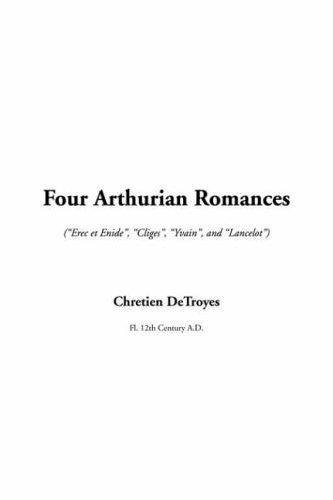
Primary text: Chrétien de Troyes, Four Arthurian Romances, W. W. Comfort translation, Project Gutenberg eBook #831. The complete text contains four romances. The review, plot account, ending analysis, and every structural recap in this guide were checked against that edition.
Selection evidence: Project Gutenberg Top 100 EBooks in the last 30 days — rank #29 with 93,322 downloads in the August 3, 2026 snapshot. Books already completed in the preceding batches were excluded.