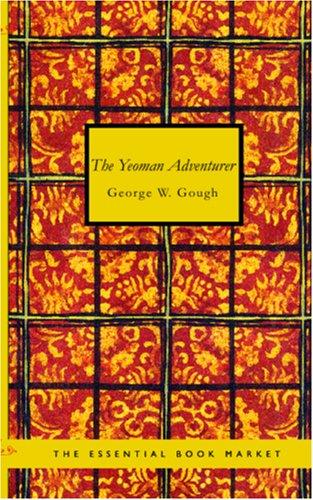
Oliver Wheatman begins as a provincial observer who knows Virgil better than war. The 1745 rising pulls him out of the Hanyards and gives the novel its best governing idea: adventure does not replace the self but reveals which habits—loyalty, wit, stubbornness—were heroic all along.
The first-person voice combines mock humility, dialect comedy, and retrospective warmth. Gough sometimes pauses too long for local color or political talk, yet Oliver's affection for Kate, Jack, Margaret, and the Hanyards prevents the campaign from becoming a sequence of empty exploits.
Margaret Waynflete is both romantic ideal and active partner. She plans, argues, rescues, and repeatedly sees through Oliver's pose as a mere yokel. Master Freake supplies pragmatic intelligence, while Lord Brocton turns aristocratic entitlement into the story's most persistent threat.
Margaret Waynflete is both romantic ideal and active partner.
The ending is deliberately domestic. Oliver's greatest victory is not rank or revenge but returning with enough understanding to repair Kate and Jack's future and to accept that Margaret has chosen him. That makes the final marriages feel earned by the journey rather than simply awarded by genre convention.