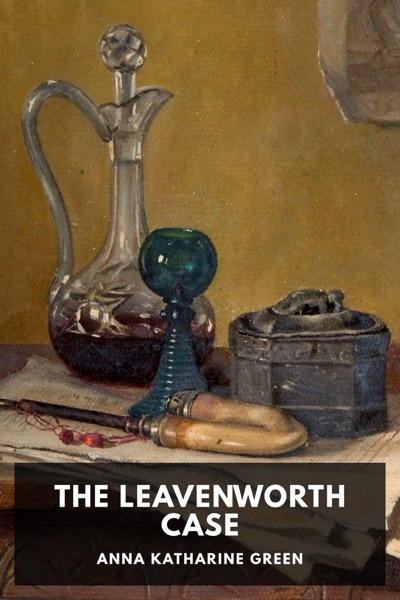
The Leavenworth Case opens with a classic impossible-looking crime: wealthy Horatio Leavenworth is found shot at his library table, the room secured from the house, the weapon cleaned, and a servant missing. Young lawyer Everett Raymond narrates the inquiry alongside professional detective Ebenezer Gryce. The early evidence points toward Horatio's nieces, especially Eleanore, but the case keeps changing as each apparent solution reveals another person's attempt to protect a secret.
Anna Katharine Green gives the investigation unusual procedural weight for an 1878 novel. Inquest testimony, floor plans, handwriting, paper stock, household routines, financial motives, and witness movements all matter. Gryce is memorable because he rarely performs brilliance for an audience; he watches objects, tests competing theories, and finally uses a staged accusation to force the guilty person into self-exposure.
The book is also emphatically Victorian. Raymond's romantic idealization of Eleanore, the melodramatic coincidences, and the moral judgments applied to Mary can feel heavy, while class, gender, ethnic, and disability language reflects the prejudices of its period. The middle investigation is long by modern standards, but its final chain is impressively integrated: Mary's concealed marriage, Eleanore's silence, Hannah's disappearance, Harwell's forged confession, and the physical evidence all turn out to be connected without meaning the same thing.
What endures is the novel's insistence that circumstantial evidence can be both accurate and misleading. The key, letter, handkerchief, and inheritance motive are real; the error lies in assigning them to one story too quickly. That distinction makes the solution more satisfying than a simple last-minute culprit reveal and explains the novel's importance in the development of American detective fiction.