The Blue Castle begins as domestic claustrophobia. Valancy Stirling is twenty-nine, unmarried, financially dependent, and trained to mistake fear for virtue. Montgomery makes the Stirling clan funny without making its pressure harmless: every meal, garment, illness, and opinion is supervised until Valancy has almost no self beyond the imaginary Blue Castle to which she retreats.
The mistaken diagnosis is melodramatic by design, but its psychological effect is exact. Once Valancy believes she has only a year to live, social punishment loses its force. Her rebellion develops from blunt speech into useful work, friendship with the ostracized Cissy Gay, and finally a marriage proposal that reverses conventional romantic initiative.
The mistaken diagnosis is melodramatic by design, but its psychological effect is exact.
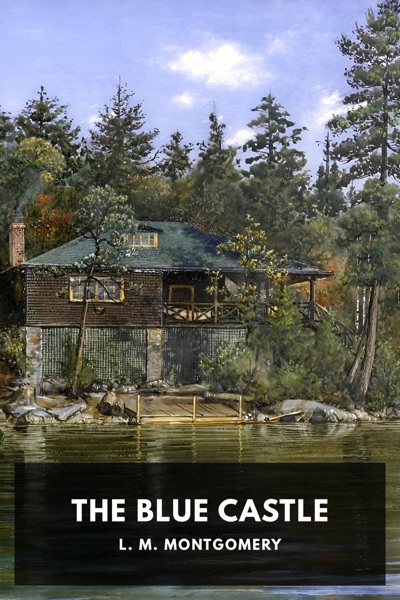
The Mistawis chapters deliver the book's central pleasure. Domestic life with Barney Snaith is neither grand nor respectable, yet it gives Valancy beauty, privacy, competence, and companionship. The later revelations about Barney's wealth and authorship are fairy-tale rewards, but the emotional transformation precedes them; she chooses him when she believes he is poor and disreputable.
Some attitudes toward illness, class, Indigenous people, and social respectability reflect the novel's 1920s context, and the final pileup of coincidences is unapologetically romantic. Even so, the book remains persuasive because its deepest reversal is not financial. Valancy learns to speak, choose, work, desire, and accept love without asking the clan to certify her life.