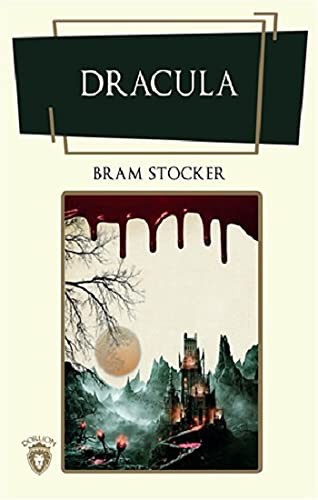
Dracula begins as a concentrated castle nightmare, then opens into a collaborative investigation. The shift can surprise readers expecting Jonathan Harker to remain the sole protagonist, but the documentary form makes the group itself the hero: diaries, letters, phonograph records, telegrams, and clippings create knowledge no single witness possesses.
The novel constantly pits modern systems against older powers. Trains, typewriters, blood transfusions, shipping records, and timetables help the hunters, yet Dracula also exploits international trade and transport. Technology is useful only when paired with trust and Van Helsing's willingness to take folklore seriously.
Technology is useful only when paired with trust and Van Helsing's willingness to take folklore seriously.
Lucy and Mina reveal the story's harsher gender politics. Lucy is transformed and ceremonially destroyed by men who love her; Mina becomes the group's best organizer but is excluded at the moment she most needs protection. Her forced blood bond with Dracula finally makes that attempted exclusion impossible.
The final pursuit is geographically complex and emotionally direct. The hunters win not through a single magical revelation but by combining records, hypnosis, logistics, courage, and sacrifice.