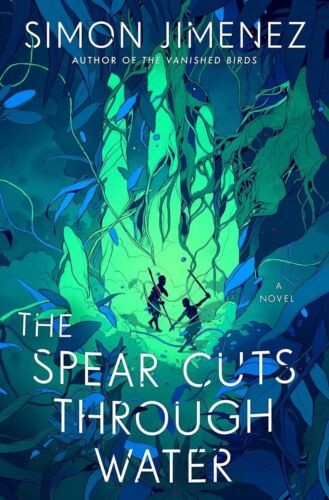
The ending closes a temporal loop rather than simply revealing survival. The spear the listener brings to the Inverted Theater is handed backward into the performed story, taken up by Keema and delivered to Shan, whose descendants pass it forward. Jun and Keema’s apparent drowning becomes transformation: Shan finds them alive, Jun tries to exile himself because of his crimes, and Keema chooses him without pretending those crimes did not occur. The story can be called a love story because love appears as continued choice inside inherited violence—not because violence is erased.
Themes and What the Ending Means
Storytelling as inheritance. The whole novel is a tale performed for a grieving descendant, insisting that stories are how a scattered people keep their dead within reach.
Diaspora and ancestral memory. Jimenez writes conquest as displacement, and the Inverted Theater becomes the place where a lost country is remembered into being.
Love joined to accountability. Jun and Keema's romance is inseparable from what Jun has done, and the book refuses to let tenderness excuse the violence behind it.
Bodies as archives of violence. Wounds, scars and the dying goddess's flesh all carry history in this novel, where power is quite literally consumed and inherited.
Theater, myth and nonlinear truth. By staging its epic as performance, the book treats myth as something enacted and revised rather than fixed, truth arriving out of sequence.