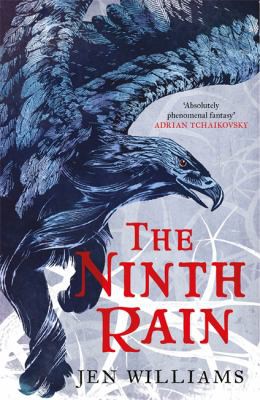
The title names both Ygseril’s ninth fall of war-beast pods and Tor’s sword — inherited legend and present duty. Ygseril’s awakening is real but partial: the tree can still release war-beast pods, yet many are dead or damaged, and the creatures that hatch will be stunted. Noon’s part in Vostok’s birth reverses the Winnowry’s logic — the fire it caged as contamination becomes an act of creation and bonded defense. Hestillion’s capture hands the Jure’lia queen an Eboran prisoner and a living pod, leaving the enemy better informed than the defenders. Vintage frees Nanthema, vindicating her letters and her scholarship just as the war they predicted begins.
Themes and What the Ending Means
History as incomplete evidence. Letters, ruins, religious accounts, and legends preserve facts while distorting causes. The characters survive by comparing sources rather than trusting one inheritance.
Exploitation disguised as protection. The Winnowry claims to contain danger while profiting from fell-witches. Its language of safety protects the institution first.
Addiction and bodily dependence. Tor’s need for blood and Noon’s relationship to akaris show bodies shaped by systems they did not freely choose.
Found family. Vintage, Tor, and Noon begin as employer, guard, and fugitive. Shared danger creates obligations that exceed their original arrangement.
Decay and renewal. Ebora, Ygseril, the Hatchery, and the Behemoths all contain life inside apparent ruin. Renewal is possible, but it returns altered.
Science fantasy. Archaeological method and biological machinery destabilize the boundary between magic, religion, and alien technology.