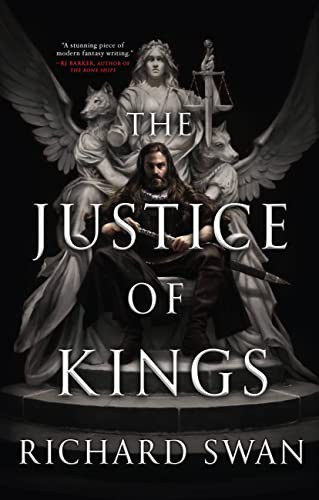
The murderer and local conspirators can be judged, but the novel’s real solution is institutional: Lady Bauer’s death is one expression of a movement joining religious zeal, noble ambition and resentment of imperial rule. Vonvalt’s methods produce a lawful record, yet force and supernatural authority remain embedded in his justice. Helena’s retrospective voice confirms that Galen’s Vale was not an isolated success; it was an early warning of collapse that Vonvalt could identify but not prevent.
Themes and What the Ending Means
Law versus justice. Vonvalt believes in the letter of Sovan law, and the novel keeps testing whether legal correctness and actual justice can survive in the same room.
Common law versus religious authority. The murder inquiry sits on the fault line between the Empire's secular courts and a rising religious movement that answers to a different sovereign.
The limits of compelled truth. Vonvalt's magical ability to force honest answers looks like a shortcut to justice, but the book steadily exposes the coercion buried inside it.
Political collapse seen through a local crime. A single provincial murder turns out to be one symptom of an empire-wide movement joining zeal, ambition and resentment of imperial rule.
Memory, guilt and retrospective narration. Helena tells the story years later, and her hindsight turns every scene into an elegy for institutions she watched fail.