The Book in Brief
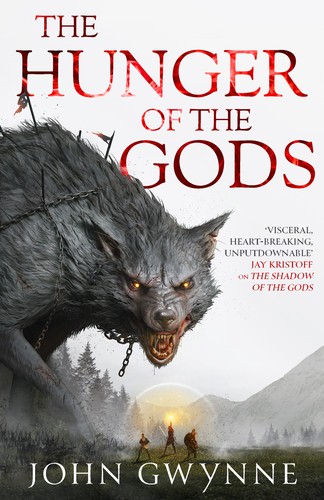
After Lik-Rifa’s release, the old gods and their followers move openly. Orka survives the catastrophe at the dragon’s prison and keeps hunting Breca along the trail left by Guðvarr and the cult. Varg and the Bloodsworn hunt Skalk across the sea to Iskidan to recover Vol, testing the difference between serving a master and choosing an oath, while Elvar and the Battle-Grim carry the wolf-god Ulfrir in bondage — a prize that draws rival rulers and god-cults toward her. Battles, rescues and betrayals push the three roads together, and by the end the conflict has become a war of resurrected gods and the mortals bound to them, with Lik-Rifa still the decisive threat.
Important Characters
Orka: A legendary warrior and mother whose search for Breca gives the novel its clearest emotional objective.
Varg: A former thrall becoming a full member of the Bloodsworn and learning what chosen loyalty costs.
Elvar: A Battle-Grim warrior whose capture of Ulfrir turns personal ambition into a political crisis.
Breca: Orka’s abducted son, valued by the cult because of his connection to the old powers.
Glornir and Vol: The Bloodsworn's chief, and the wife abducted by Skalk whom the whole warband is hunting to recover.
Biórr: A warrior caught between affection for Elvar’s company and allegiance to Lik-Rifa’s followers.
Ulfrir: The wolf god held by Elvar, at once prisoner, weapon and possible ally.
Lik-Rifa: The dragon god whose return reorganizes every faction in Vigrið.
What to Remember from the Previous Book
The Hunger of the Gods directly follows The Shadow of the Gods. The new volume assumes the earlier relationships, betrayals and world rules are already familiar. The opening chapters supply context through action, but they do not retell the prior novel in full.
Chapters 1–12: After the God’s Release
Chapters 1–3. The survivors take stock of Lik-Rifa’s return and the losses at the prison.
Chapters 4–6. Orka identifies the next usable trace of Breca while refusing pressure to abandon the chase.
Chapters 7–9. The Bloodsworn reorganize around the captured Tainted and choose pursuit over safety.
Chapters 10–12. Elvar measures what possessing Ulfrir has gained and what attention it has attracted.
Chapters 13–27: Tracks, Oaths and Pursuit
Chapters 13–15. Orka follows the abductors through hostile country and converts a confrontation into information.
Chapters 16–18. Varg trains and listens as the Bloodsworn reveal more of their past and their bond with the Tainted.
Chapters 19–21. Elvar’s company negotiates from a stronger position, though the bound god resists being treated as a prize.
Chapters 22–24. Biórr’s hidden allegiance places private affection and religious duty on a collision course.
Chapters 25–27. A violent encounter proves that the gods’ return has changed the limits of ordinary warfare.
Chapters 28–43: The Warbands Converge
Chapters 28–31. The Bloodsworn close on their quarry but discover that rescue requires surviving a larger force.
Chapters 32–34. Orka’s route intersects with allies who understand the cult’s movements and the value placed on Breca.
Chapters 35–37. Elvar attempts to turn Ulfrir’s captivity into a durable military advantage.
Chapters 38–40. A reversal scatters plans, costs lives and forces the viewpoint groups toward the same conflict.
Chapters 41–43. Varg acts from chosen loyalty rather than the obedience that governed his earlier life.
Chapters 44–56: God-Touched Battle
Chapters 44–47. Elvar’s authority is tested when divine power refuses the neat hierarchy she imagined.
Chapters 48–50. Orka reaches the center of the pursuit and learns how the enemy intends to use Breca.
Chapters 51–53. The Bloodsworn fight through the cult’s defenses while protecting the people they came to recover.
Chapters 54–56. Betrayal clarifies loyalties that had remained deliberately ambiguous.
Chapters 57–66: Reunion and the Next War
Chapters 57–58. The scattered allies regroup amid the consequences of the major battle.
Chapters 59–60. Orka finally reduces the distance between herself and Breca, though danger is not finished.
Chapters 61–62. Elvar redefines her relationship with Ulfrir as the coming conflict demands cooperation.
Chapters 63–64. The surviving warbands recognize Lik-Rifa as a threat no single company can defeat.
Chapters 65–66. The final movement converts personal quests into a coalition for the saga’s last war.
Ending Explained
Orka reaches Breca and loses him within pages: bitten by a frost-spider and paralysed, she throws him into a river to save him and is carried off by a night-hag. The Bloodsworn's rescue is of Vol, in Iskidan, and never touches Orka's thread at all. Elvar does not loosen her hold on Ulfrir — she tightens it, thralling the wolf-god and his daughter, loosing him on Snakavik where he kills and eats her father, and taking the jarldom over her brother's corpse. The close is strategic: the scattered survivors now understand their enemies are coordinated by divine purpose, and the final book must decide whether chosen oaths can resist the older bonds of blood, cult and godhood.
Themes and Analysis
Chosen Family. The Bloodsworn turn companionship into an oath freely entered, offering Varg an alternative to enslavement.
Parents and Children. Orka’s search asks how love survives when protection has already failed.
Power and Ownership. Elvar’s attempt to possess a god exposes the instability of treating any sentient being as property.
Faith After Proof. Once the gods return physically, belief becomes a question of allegiance rather than doctrine.
Vengeance and Rescue. The novel repeatedly distinguishes punishing an enemy from recovering the person violence endangered.
Content Notes
This book contains graphic battle violence and gore, child abduction, enslavement and coercion, animal and creature deaths, grief, torture and major-character deaths.