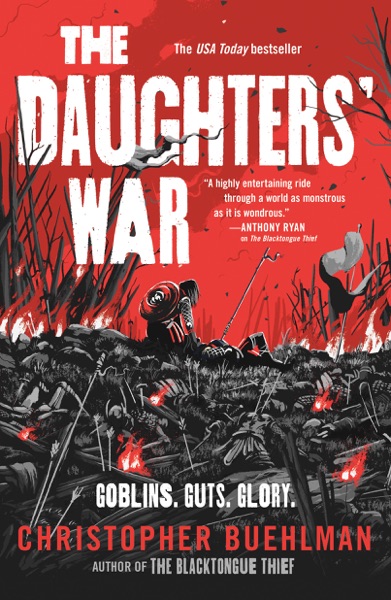
The destruction order confirms the state’s real relationship to the corvids and their riders: an exceptional partnership is celebrated only while it stays controllable, and the moment the enemy falls, autonomy becomes the new threat. Galva disobeys the order and brings Dalgatha to Fulvir, who tattoos the living bird into her skin — preservation rather than memorial, and the reason Dalgatha can still be called out of her arm years later. Her rejection of the arranged future her father offers connects the prequel directly to The Blacktongue Thief: she does not become emotionally empty, she becomes unwilling to let family, crown or lover define her recovery for her.
Themes and What the Ending Means
War and institutional use. The army invites women and corvids into power during emergency, then attempts to erase them when that power threatens the old order.
Animal partnership. Dalgatha is neither mount nor metaphor alone; the bond is a relationship with reciprocal agency.
Grief without closure. Missing bodies, compressed histories, and political scapegoats deny survivors the clean endings official victory requires.
Autonomy after survival. Galva’s final refusals protect the self that remains without claiming that survival repaired her.