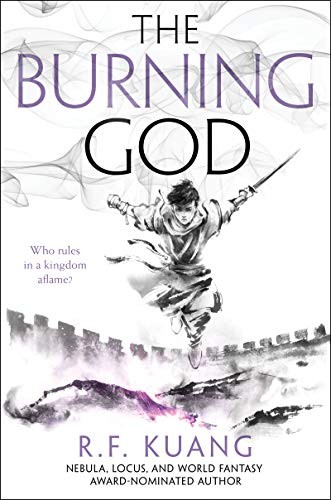
Rin’s suicide-by-Nezha is not a simple redemption: she recognizes that her power, her addiction to war and her inability to govern have become threats — and she still arranges the scene so Nezha must carry her political message and her memory. Kitay’s death completes the cost of the bond; he spent the trilogy trying to make Rin see consequences beyond victory, and her final choice remains inseparable from his life. Nezha survives as the bleak opening toward the future: Hesperian aid and political legitimacy, both compromised, and no clean path — only responsibility for a country every major power helped destroy.
Themes and What the Ending Means
Winning and governing. The skills that make Rin effective in war—certainty, escalation, and personal command—make durable peace harder.
Colonial leverage. Hesperian aid turns famine and technological dependence into instruments of political control.
Trauma as destiny. Rin understands how violence formed her but cannot consistently imagine an identity beyond it.
Sacrifice and control. Her last choice relinquishes life while still attempting to dictate how others will interpret and continue her struggle.