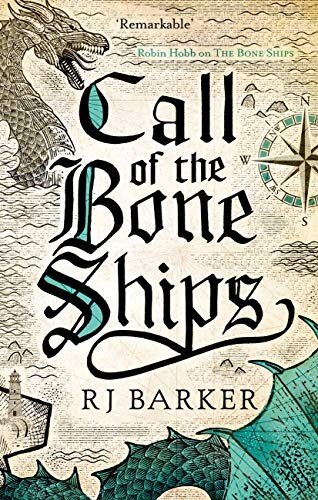
Meas begins the voyage believing one secret kill can starve both navies of new bones and shorten the war; the voyage teaches her that the plan treats an intelligent creature exactly as the governments she opposes would. The arakeesian’s destruction of Hag’s Hunter is proof of awareness and choice, not luck — after it, firing the hiyl bolts would be the murder of an ally. Dinyl’s attempt to finish the mission anyway forces Joron’s defining act: he cuts off his lover’s hand rather than let the dragon die. With the gullaime’s warning that more arakeesians are coming, Meas orders the poison thrown overboard, and the condemned ship chooses its own purpose.
Themes and What the Ending Means
Command and earned authority. Joron begins with a title but no leadership. Meas removes the title and teaches him to earn trust through responsibility.
People treated as resources. The crew, gullaime, sacrificed children, disabled citizens, and arakeesians are all assigned value according to what institutions can extract from them.
War and manufactured scarcity. The absence of new bones turns every surviving ship into inherited capital and every arakeesian into a prospective weapon.
Redemption through work. Joron changes through repeated duties, losses, and choices rather than a single heroic revelation.
Language and worldview. The novel’s unfamiliar vocabulary makes social assumptions visible. A different word for captain or sailor carries a different history of rank and obligation.
Chosen family. Condemned people become a crew because they decide that one another’s lives matter despite the state’s judgment.