The Book in Brief
When wealthy Charles Bingley rents Netherfield, Mrs. Bennet hopes he will marry one of her five daughters. Bingley and Jane Bennet quickly form an attachment, while his proud friend Fitzwilliam Darcy insults Elizabeth and later becomes attracted to her. Elizabeth instead trusts the charming George Wickham, who claims Darcy unjustly denied him a living.
Bingley's party leaves, separating him from Jane. Elizabeth visits her newly married friend Charlotte Collins near Rosings, where Darcy unexpectedly proposes while emphasizing her family's inferiority. She refuses him for his manner, his treatment of Wickham, and his role in separating Jane and Bingley. Darcy's letter reveals Wickham's attempted elopement with Darcy's young sister and explains his mistaken belief that Jane did not love Bingley.
Elizabeth sees Darcy transformed by new understanding at Pemberley, but Lydia's elopement with Wickham appears to ruin the family. Darcy secretly locates the couple, pays Wickham's debts, and arranges the marriage. Bingley returns and proposes to Jane. After Elizabeth defies Lady Catherine's demand that she reject Darcy, Darcy asks again and learns her feelings have changed. They marry with mutual respect, while the novel traces the varied futures of both families.
Important Characters
Elizabeth Bennet: The intelligent, lively second Bennet daughter, whose confidence in her judgment must survive a painful correction.
Fitzwilliam Darcy: The wealthy owner of Pemberley, initially aloof and class-conscious but capable of reflection and sustained change.
Jane Bennet: Elizabeth's generous elder sister, whose reserve allows Darcy to misread her love for Bingley.
Charles Bingley: Darcy's friendly, impressionable companion and Jane's eventual husband.
George Wickham: A charming militia officer who conceals debts, exploitation, and an attempted elopement behind a persuasive grievance.
Mr. Bennet: The sisters' witty but disengaged father, whose retreat into mockery leaves the family poorly protected.
Mrs. Bennet: Their anxious, noisy mother, obsessed with securing husbands for her daughters.
Lydia Bennet: The youngest sister, whose impulsive elopement with Wickham creates the novel's family crisis.
Mr. Collins: The obsequious clergyman who will inherit Longbourn and marries Charlotte after Elizabeth refuses him.
Charlotte Lucas: Elizabeth's practical friend, who accepts Collins to obtain security and manages him skillfully.
Lady Catherine de Bourgh: Darcy's imperious aunt, who expects him to marry her daughter and attempts to intimidate Elizabeth.
Mr. and Mrs. Gardiner: Elizabeth's sensible London relatives, whose conduct challenges Darcy's assumptions about her connections.
Georgiana Darcy: Darcy's shy younger sister, once targeted by Wickham.
Caroline Bingley: Bingley's status-conscious sister, jealous of Darcy's interest in Elizabeth.
Chapter-by-Chapter Summary
The chapter sequence follows the complete 61-chapter Project Gutenberg edition. Roman numerals have been converted to Arabic numbers for easier navigation.
Chapter 1
Mrs. Bennet announces that wealthy bachelor Charles Bingley has rented Netherfield and urges her husband to visit. Mr. Bennet teases her while quietly planning to do exactly that.
Chapter 2
Mr. Bennet reveals that he has already called on Bingley, delighting his wife and daughters. The family immediately begins speculating about when they will meet him.
Chapter 3
At the Meryton assembly, Bingley is sociable and attentive to Jane. Darcy appears proud, refuses to dance with Elizabeth, and gives her an insult she turns into an amusing story.
Chapter 4
Jane and Elizabeth discuss Bingley, his sisters, and Darcy. Jane sees the best in everyone, while Elizabeth more quickly detects the Bingley sisters' concealed superiority.
Chapter 5
The Bennets visit the Lucases and debate Darcy's pride. Mary moralizes, while Charlotte distinguishes forgivable pride from vanity and the younger characters joke over the assembly.
Chapter 6
Jane's attachment grows, though Charlotte warns that reserve may hide it too well. Darcy begins studying Elizabeth, who rejects his invitation to dance and treats his interest as another opportunity for wit.
Chapter 7
The entail and the Bennet girls' financial vulnerability are explained. Jane rides to Netherfield, becomes ill after rain, and Elizabeth shocks the Bingley sisters by walking through mud to nurse her.
Chapter 8
Elizabeth joins the Netherfield dinner while Jane remains sick. Caroline and Mrs. Hurst mock her appearance and family, but Darcy admires her eyes and defends the idea of an accomplished woman's well-developed mind.
Chapter 9
Mrs. Bennet, Kitty, and Lydia visit Netherfield, where Mrs. Bennet embarrasses Elizabeth by boasting of Jane's prospects and disparaging country society. Lydia boldly reminds Bingley about his promised ball.
Chapter 10
As Darcy writes to Georgiana, Caroline demands his attention and teases him about Elizabeth. Elizabeth and Darcy debate indirect pride, laughter, and character while their attraction develops through disagreement.
Chapter 11
Jane returns to the drawing room. Caroline and Elizabeth walk to attract attention, and Elizabeth and Darcy spar over his faults, resentment, and the danger of turning every person into an object of ridicule.
Chapter 12
Jane and Elizabeth leave Netherfield despite Mrs. Bennet's attempt to prolong the stay. Darcy deliberately withdraws his attention from Elizabeth, fearing he has encouraged expectations.
Chapter 13
Mr. Bennet reads a pompous letter from his cousin and heir, Mr. Collins, who arrives intending reconciliation. Collins quickly displays his self-importance and attention to the Bennet daughters.
Chapter 14
At dinner Collins endlessly praises Lady Catherine and his parsonage. His attempt to read Fordyce's sermons collapses when Lydia interrupts, and he returns to backgammon with Mr. Bennet.
Chapter 15
Collins selects Elizabeth as a prospective wife after learning Jane may soon be engaged. In Meryton the party meets Wickham, whose charged encounter with Darcy immediately interests Elizabeth.
Chapter 16
At Mrs. Philips's gathering, Wickham tells Elizabeth that Darcy cruelly denied him the church living promised by Darcy's father. His charm and detailed grievance confirm what Elizabeth already wants to believe.
Chapter 17
Elizabeth repeats Wickham's story to Jane, who searches for an innocent explanation. The younger Bennets eagerly anticipate the Netherfield ball, where Elizabeth expects to dance with Wickham.
Chapter 18
Wickham avoids the ball, and Elizabeth reluctantly dances with Darcy. Collins, Mary, Mrs. Bennet, and the younger girls publicly embarrass her, while Caroline warns her—truthfully but ineffectively—against Wickham.
Chapter 19
Collins delivers a proposal built from duty, patronage, and confidence that Elizabeth's refusal is coyness. Elizabeth repeatedly and unequivocally rejects him.
Chapter 20
Mrs. Bennet demands that Elizabeth accept Collins, but Mr. Bennet supports his daughter with characteristic irony. Collins finally understands the refusal and retreats in wounded dignity.
Chapter 21
Jane receives Caroline's letter announcing that the Netherfield party has gone to London and implying Bingley will marry Georgiana Darcy. Jane hopes for his return; Elizabeth suspects deliberate separation.
Chapter 22
Charlotte Lucas encourages Collins, accepts his proposal, and secures a comfortable future. Elizabeth is shocked that her friend would choose a marriage without affection.
Chapter 23
Sir William announces Charlotte's engagement at Longbourn. Mrs. Bennet rages over Collins, Charlotte, and the future loss of the estate, while the family absorbs the unwelcome match.
Chapter 24
Caroline's second letter confirms that Bingley will remain in London. Jane struggles privately, and Elizabeth blames his sisters and Darcy while condemning Bingley's weakness.
Chapter 25
The Gardiners arrive for Christmas. Mrs. Gardiner offers Jane a London visit and learns of Elizabeth's interest in Wickham, whose history she partly remembers from Derbyshire.
Chapter 26
Mrs. Gardiner cautions Elizabeth against a financially imprudent attachment. Jane is coldly received by Caroline in London, and Charlotte's letters invite Elizabeth to see her new domestic arrangement.
Chapter 27
Elizabeth departs with Sir William and Maria, stopping in London with Jane and the Gardiners. A proposed summer tour promises relief from local disappointments.
Chapter 28
Elizabeth reaches Hunsford and studies how Charlotte has organized her life around avoiding Collins. The parsonage's proximity to Rosings makes Lady Catherine's authority unavoidable.
Chapter 29
At Rosings, Lady Catherine interrogates Elizabeth about her family, education, and accomplishments. Elizabeth answers without submission, surprising the imperious hostess.
Chapter 30
Darcy and Colonel Fitzwilliam arrive at Rosings. Darcy repeatedly visits the parsonage and watches Elizabeth, while Charlotte begins to suspect that his awkward attention is romantic.
Chapter 31
At Rosings, Elizabeth plays piano and jokes with Fitzwilliam about Darcy's unsociability. Darcy approaches, and their conversation turns his reserve into a contested question of effort and temperament.
Chapter 32
Darcy visits Elizabeth alone at the parsonage and struggles to converse. Charlotte interprets his repeated appearances as evidence of love, although Elizabeth finds his behavior puzzling.
Chapter 33
Elizabeth repeatedly meets Darcy on her walks. Colonel Fitzwilliam casually reveals that Darcy recently saved Bingley from an imprudent marriage, confirming Elizabeth's anger over Jane.
Chapter 34
Darcy proposes while emphasizing the inferiority of Elizabeth's family. She refuses, accusing him of arrogance, separating Jane and Bingley, and mistreating Wickham.
Chapter 35
Darcy gives Elizabeth a letter explaining that Jane appeared indifferent and exposing Wickham's debts and attempted elopement with Georgiana. He accepts responsibility for concealing Bingley's presence from Jane.
Chapter 36
Elizabeth rereads the letter, tests it against memory, and recognizes Wickham's inconsistencies and her own vanity. Her confidence in her discernment collapses.
Chapter 37
Darcy and Fitzwilliam leave Rosings. Elizabeth reflects on her family's conduct and Darcy's explanation while Lady Catherine complains about the approaching departure from Hunsford.
Chapter 38
Elizabeth says goodbye to Charlotte, Collins, and Rosings. She withholds the proposal until she can tell Jane privately and returns toward London changed by the letter.
Chapter 39
Lydia and Kitty meet Jane and Elizabeth on the journey home and overflow with militia gossip. Lydia reports that Miss King has gone to Liverpool and "Wickham is safe" — his pursuit of her fortune having come to nothing.
Chapter 40
Elizabeth tells Jane about Darcy's proposal and Wickham's history, omitting the part about Jane and Bingley at first. Jane grieves over Wickham's conduct and worries about public exposure.
Chapter 41
Lydia receives an invitation to Brighton with Colonel and Mrs. Forster. Elizabeth warns her father that Lydia's vanity and recklessness are dangerous, but he allows the trip for the sake of household peace.
Chapter 42
Elizabeth reflects on her parents' unsuitable marriage and her father's failures. The Gardiners' tour is shortened, but includes Derbyshire; after confirming Darcy is absent, Elizabeth agrees to visit Pemberley.
Chapter 43
Pemberley's beauty and Mrs. Reynolds's praise revise Elizabeth's image of Darcy. He returns unexpectedly, behaves with striking civility to Elizabeth and the Gardiners, and asks to introduce Georgiana.
Chapter 44
Darcy brings Georgiana and Bingley to Lambton. Their warmth, Georgiana's shyness, and Bingley's remembered attention to Jane show Elizabeth a household very different from Wickham's account.
Chapter 45
Elizabeth visits Pemberley, where Caroline needles her about the militia and her family to her face, then disparages her looks once she has gone. Darcy rejects the criticism and admits Elizabeth has long been among the handsomest women he knows.
Chapter 46
Jane's delayed letters reveal that Lydia has run away with Wickham without marrying. Darcy arrives during Elizabeth's distress, learns the facts, and leaves; Elizabeth assumes the scandal has ended his interest.
Chapter 47
On the journey home, the Gardiners and Elizabeth assess the elopement and Wickham's motives. At Longbourn they find Mrs. Bennet hysterical and learn the depth of Wickham's debts and deception.
Chapter 48
Mr. Gardiner searches London while Mr. Bennet returns defeated. With no news, the family fears permanent disgrace, and Collins sends a sanctimonious letter blaming Lydia's upbringing.
Chapter 49
A letter from Mr. Gardiner announces that Lydia and Wickham have been found and will marry if Mr. Bennet accepts surprisingly modest financial terms. Relief replaces fear, though Elizabeth suspects hidden expense.
Chapter 50
Mr. Bennet regrets failing to save for his daughters and concludes that Gardiner must have paid Wickham heavily. Mrs. Bennet ignores the moral disaster and celebrates clothes, houses, and wedding gossip.
Chapter 51
Lydia and Wickham visit Longbourn as a married couple, displaying neither shame nor prudence. Lydia accidentally reveals that Darcy attended the wedding, creating a mystery Elizabeth cannot ignore.
Chapter 52
Mrs. Gardiner explains that Darcy found the couple, paid Wickham's debts, purchased his commission, and insisted on secrecy. Elizabeth understands the depth of Darcy's generosity and continuing attachment.
Chapter 53
Bingley and Darcy return to Netherfield. Bingley renews his attention to Jane, while Darcy's reserve leaves Elizabeth uncertain whether Lydia's scandal or her own earlier refusal has ended his hope.
Chapter 54
At a Longbourn dinner, Bingley is openly attentive to Jane, but seating and conversation keep Darcy distant from Elizabeth. She struggles between gratitude, hope, and fear of misreading him again.
Chapter 55
Bingley proposes to Jane and is accepted. The household celebrates the match, and Jane's happiness confirms that the separation was temporary rather than final.
Chapter 56
Lady Catherine confronts Elizabeth over a rumor that she will marry Darcy. Elizabeth refuses to promise against the match and rejects Lady Catherine's claims of rank, family duty, and prior arrangement.
Chapter 57
Elizabeth wonders whether Lady Catherine's interference will discourage Darcy. Mr. Bennet reads Collins's letter repeating the marriage rumor and treats the idea as wonderfully absurd.
Chapter 58
Darcy and Elizabeth walk together. She thanks him for helping Lydia; he says he acted for her, explains Lady Catherine revived his hope, and proposes again after learning her feelings have changed.
Chapter 59
Elizabeth tells Jane and then persuades her astonished father that she truly loves Darcy. Mr. Bennet gives consent only after satisfying himself that she respects the man she will marry.
Chapter 60
Elizabeth and Darcy compare the history of their relationship with new playfulness. He writes to Lady Catherine, she informs the Gardiners, and the couple prepares for a marriage built on candor.
Chapter 61
Jane and Bingley settle near Pemberley, Kitty improves through better company, and Lydia and Wickham remain financially unstable. Elizabeth and Darcy's marriage unites Pemberley with the Gardiners and preserves affection across the families.
Ending Explained
Why does Darcy propose again?: Lady Catherine reports Elizabeth's refusal to reject him. Darcy understands that Elizabeth would have ended the rumor if she were firmly opposed, so he cautiously renews his hope.
Who arranged Lydia's marriage?: Darcy locates Wickham, negotiates with him, pays debts, purchases a military commission, and supplies the financial inducement required for marriage.
What changed Elizabeth's feelings?: Darcy's letter corrects her factual errors; his conduct at Pemberley and his anonymous help to Lydia demonstrate that the change after her criticism is real.
What changed Darcy?: Elizabeth's first refusal forces him to see that correct principles do not excuse arrogant behavior. He becomes more generous, open, and attentive to people outside his rank.
What happens to the other Bennet sisters?: Jane marries Bingley, Lydia remains with Wickham, Kitty improves through time with Jane and Elizabeth, and Mary remains at home with greater opportunity to participate in society.
Themes and Motifs
Judgment and self-knowledge: Both central characters must distinguish perceptiveness from vanity and principle from pride.
Marriage and economics: Every courtship is shaped by inheritance, income, housing, reputation, and women's limited options.
First impressions: Wickham's ease and Darcy's reserve encourage judgments that evidence later overturns.
Family responsibility: Private choices have consequences for sisters, parents, dependents, and social standing.
Change demonstrated through action: The final romance depends on behavior after criticism, not simply on hidden goodness or attraction.
Content Notes
Includes coercive marriage pressure, elopement involving a sixteen-year-old, financial exploitation, gambling debts, class prejudice, sexist assumptions, and emotionally neglectful parenting.
About the Book
Best for: readers who enjoy enemies-to-lovers tension, social comedy, family embarrassment, psychological misjudgment, and earned romantic resolution. Narrative shape: 61 chapters, with Darcy's first proposal and explanatory letter forming the central hinge. Point of view: third person closely aligned with Elizabeth, so the reader often shares her errors. Overall assessment: 5/5 for dialogue, characterization, structure, humor, and reread value. Source-checked scope: 61 distinct reading units in Project Gutenberg eBook #1342; no front matter was counted as narrative content.
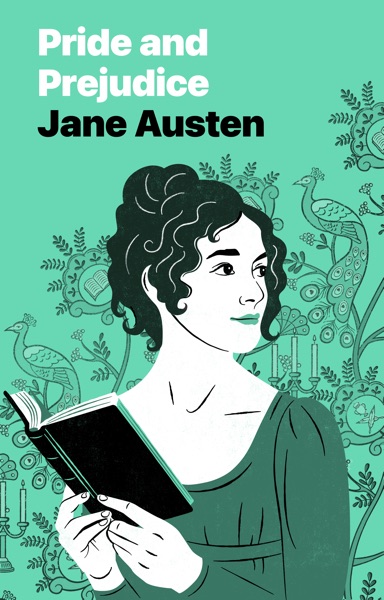
Primary text: Jane Austen, Pride and Prejudice, Project Gutenberg eBook #1342. The complete text contains 61 chapters. The review, plot account, ending analysis, and every structural recap in this guide were checked against that edition.
Selection evidence: Project Gutenberg Top 100 EBooks in the last 30 days — rank #2 with 186,807 downloads in the August 2, 2026 snapshot. Books already completed in the preceding batch were excluded.