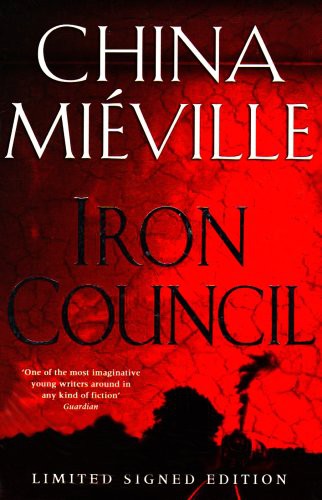
Judah saves the Iron Council physically and violates it politically: he treats the community as a future symbol whose preservation outweighs the present consent of the people inside it. Ann-Hari kills him because the Council’s founding act was collective self-determination — being protected against its own decision by a loving outsider repeats the paternal authority it rebelled against. The frozen train is neither victory nor defeat but a permanent image of arrival deferred, able to inspire resistance and unable to join it, while Cutter’s survival keeps political work in the imperfect present rather than inside the monument.
Themes and What the Ending Means
Revolution and symbolism. Movements need stories, but living people are endangered when leaders value their symbolic role more than their agency.
Collective ownership. The perpetual train embodies workers reclaiming infrastructure and the right to determine its purpose.
Means and ends. Toro, Judah, and the state each justify coercion through a future they claim to understand better than others.
Memory versus action. The frozen Council preserves possibility while also showing the cost of turning history into a sacred object.