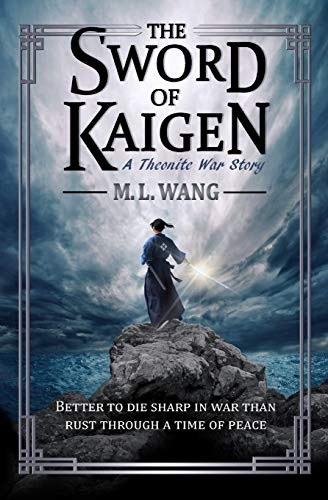
The military victory is intentionally secondary to the family’s reckoning. Mamoru’s death cannot be repaired by Misaki’s triumph in battle. The crucial final duel is between Misaki and Takeru: violence breaks the emotional structure that governed their marriage, and Takeru admits that his coldness was cowardice. Misaki chooses her family without choosing renewed submission. The ending therefore joins grief, reconciliation and resistance to propaganda rather than offering uncomplicated catharsis.
Themes and What the Ending Means
Propaganda and historical truth. Kaigen's official heroism is a story the state tells, and Mamoru's disillusionment begins the moment he learns the history he was raised on is a lie.
Motherhood versus erased identity. Misaki's marriage buried a formidable woman under the role of dutiful wife, and the novel is the slow, painful return of the self she gave up.
Masculinity and emotional repression. Takeru's coldness is revealed as fear, and the book treats the family's silence as a wound inflicted by the ideal of the unfeeling man.
Heroism without protection from loss. Skill and courage save the village but not the people Misaki loves most, and Wang insists that competence is no shield against grief.
Rebuilding after communal trauma. The final movement is about what survivors owe each other, as a shattered family and village begin the harder work that follows the battle.