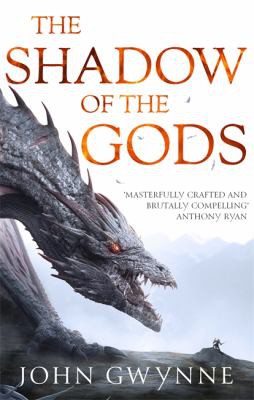
The three stories converge without bringing all three protagonists together. Orka destroys the force holding children at Grimholt but learns Breca has been taken onward. Varg and the Bloodsworn arrive, recognize Orka, and make her search part of their pursuit of Skalk. At Oskutreð, Biórr reveals his allegiance, the Battle-Grim is shattered, and the ritual releases Lik-Rifa. Elvar survives knowing that the man she trusted helped restore the dragon-god. The final revelation changes the saga’s scale: the old gods are active pieces in the present, and the personal quests for Breca, revenge and fame now lead into their war.
Themes and What the Ending Means
Vengeance and its costs. Orka's hunt for her stolen son drives the book's most relentless thread, and Gwynne never lets the righteousness of her cause hide what it turns her into.
Blood family versus chosen family. The Bloodsworn and the Battle-Grim are found families bound by oath, set against the literal parents and children the plot keeps tearing apart.
The return of suppressed history. Vigrið is a land living in the ruins of dead gods, and the story's engine is an old, buried power that a cult is determined to wake.
Honor as practice rather than reputation. Gwynne's warriors are judged by what they do for their sworn companions, not by the sagas told about them, and the difference costs lives.
The danger of treating people as vessels for power. The Tainted and the stolen children are valued only as fuel for a resurrection, and the novel's horror lies in seeing people reduced to ingredients.