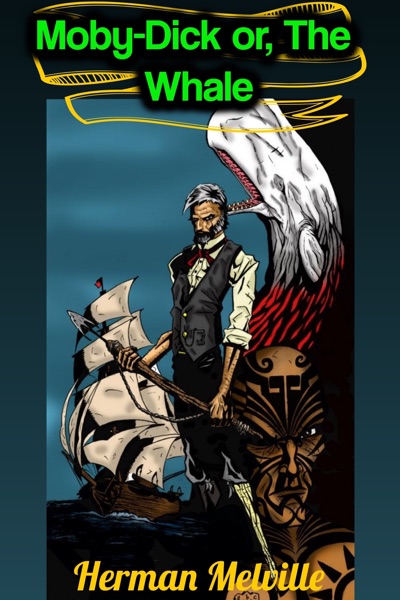
Ishmael
The reflective survivor and shape-shifting narrator, drawn to the sea as relief from alienation and saved by fellowship he once helped sustain.
Captain Ahab
The Pequod's maimed commander, whose intelligence and theatrical power are consumed by revenge against Moby Dick.
Queequeg
A Polynesian prince and expert harpooner whose friendship with Ishmael provides the novel's clearest model of mutual trust.
Starbuck
The devout, cautious first mate who recognizes Ahab's madness but cannot convert moral opposition into mutiny.
Stubb
The humorous second mate, using jokes, dreams, and fatalism to manage danger.
Flask
The aggressive third mate, less reflective than Starbuck or Stubb and eager to attack whales as enemies.
Fedallah
Ahab's secret Parsee harpooner, whose prophecies bind the captain's sense of fate to riddling conditions.
Tashtego and Daggoo
Indigenous and African harpooners whose skill joins Queequeg's in the Pequod's working crew.
Pip
The young Black ship-keeper and tambourine-player, put into a boat as a substitute oarsman and abandoned at sea; his trauma produces a visionary madness that moves Ahab.
Moby Dick
The immense white sperm whale on whom Ahab projects deliberate evil, though the narrative never confirms that moral interpretation.
Peleg and Bildad
Quaker shipowners who hire Ishmael and Queequeg and embody the uneasy marriage of piety and profit.
Father Mapple
The New Bedford preacher whose sermon on Jonah establishes the book's language of duty, flight, and judgment.
The carpenter and blacksmith Perth
Skilled artisans whom Ahab uses to remake his leg and forge the weapon intended for Moby Dick.