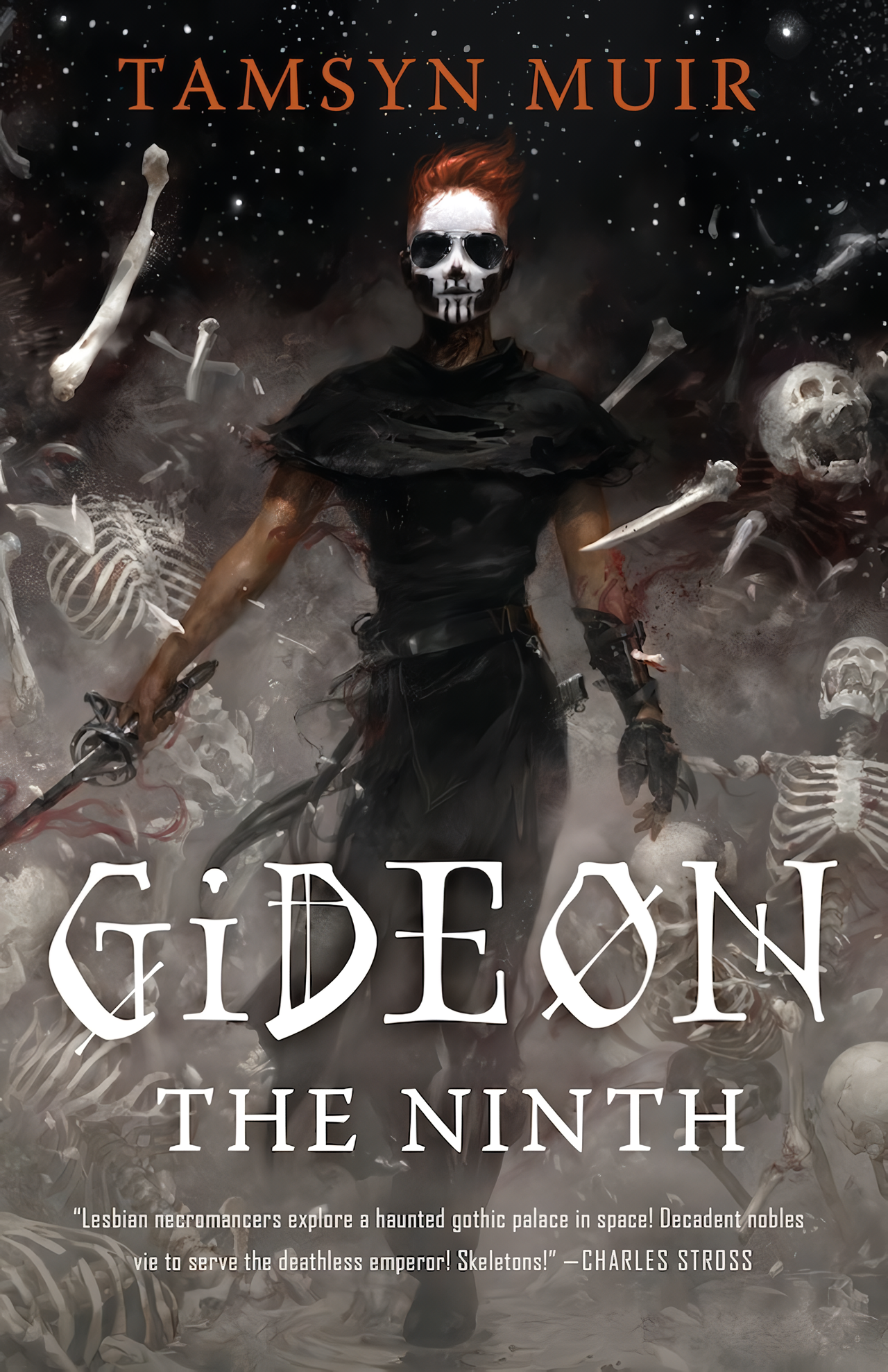
Lyctorhood is not a promotion granted by divine favor. It is a process in which a necromancer kills a cavalier, absorbs the cavalier's soul, and gains continuous access to that person's physical instincts and energy. Ianthe performs the process deliberately and treats Naberius as material. Gideon makes the same mechanism possible through voluntary sacrifice, but consent does not make the institution that demands sacrifice harmless.
Cytherea is both murderer and evidence. She kills innocent heirs, including children, yet her revolt comes from direct knowledge of what the Emperor's immortal order costs. She infiltrates the trial to prevent replacements for a dying generation of Lyctors. The survivors defeat her without disproving her accusation.
Gideon's missing body prevents her death from closing the story. Harrow contains Gideon's soul, but the Emperor's explanation is cautious and incomplete. Camilla, Judith, and Corona are also missing, suggesting another group reached Canaan House before Imperial recovery. The epilogue turns the apparent solution into a larger mystery: who removed the bodies, what does the Emperor know, and why did Cytherea recognize Gideon's eyes?
Harrow's demand that God remember Gideon is an act against institutional erasure. The Empire calls consumed cavaliers necessary components of sainthood. Harrow insists that the person inside her power remains a person with a name. Whether she can preserve Gideon without surrendering Lyctorhood is the central problem carried into Harrow the Ninth.