Below has a timely, unusually specific hook for readers. Netflix’s six-part thriller arrives October 8, 2026, following Newfoundland fisherman Calvin Penney and marine researcher Fonda Howander as a mysterious sea creature threatens Calvin’s town and reopens questions about his father’s death.
The books below focus on coastal horror in which a creature mystery is inseparable from family history and the survival of a small community. This is not a generic genre starter list. Each selection has been chosen because the mechanism connecting character, setting and conflict resembles the appeal of Below, even when the period, tone or scale changes.
The ranking favors thematic usefulness over fame. The ranking rewards an isolated maritime setting, a sustained investigation, local memory, intergenerational damage and a creature that changes how the community understands itself. All ten ranked books come from different authors, and none has appeared as a ranked selection in the earlier Website lists.
Selection note. The ranking rewards an isolated maritime setting, a sustained investigation, local memory, intergenerational damage and a creature that changes how the community understands itself. The books are not ranked by sales, adaptation potential or superficial resemblance.
10
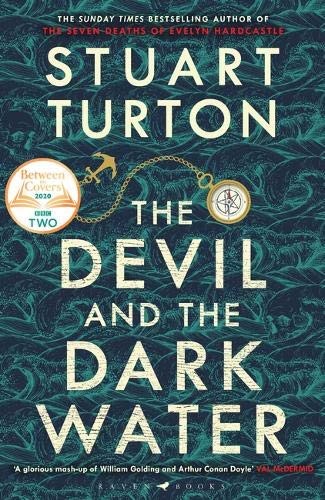
The Devil and the Dark Water
Stuart Turton · 2020
Story engine A detective’s bodyguard investigates impossible events aboard a seventeenth-century ship
Closest Below connection a closed maritime community, apparent supernatural attacks and buried guilt
Main difference Historical locked-room mystery with ambiguity about whether the monster is real
Best for Readers drawn to a closed maritime community, apparent supernatural attacks and buried guilt.
Samuel Pipps is imprisoned during a voyage from Batavia to Amsterdam, leaving Arent Hayes to examine a demonic symbol, a leper’s warning and deaths aboard a crowded merchant vessel.
The ship functions like an isolated town whose hierarchy cannot be escaped. Turton uses investigation to expose the violence supporting trade, marriage and colonial authority, keeping rational and supernatural explanations in productive tension. It ranks 10 because its particular balance of investigation, character pressure and setting makes it a distinct rather than interchangeable recommendation.
In ranking terms, The Devil and the Dark Water scores especially well on a closed maritime community, apparent supernatural attacks and buried guilt. That element has causal force because its story engine is specific: A detective’s bodyguard investigates impossible events aboard a seventeenth-century ship. The tradeoff is equally clear: Historical locked-room mystery with ambiguity about whether the monster is real. Readers who prioritize the connection may reasonably place it higher, while readers seeking the screen title’s exact tone should keep the distinction in mind.
Know before you start. Colonial violence, abuse, murder, confinement and period prejudice.
9
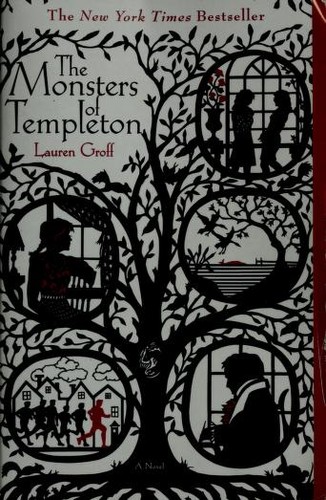
The Monsters of Templeton
Lauren Groff · 2008
Story engine A disgraced researcher returns home as a monster surfaces in the town lake and family history begins to unravel
Closest Below connection a lake creature, a homecoming and genealogical secrets embedded in local legend
Main difference More literary family saga and magical realism than sustained horror
Best for Readers drawn to a lake creature, a homecoming and genealogical secrets embedded in local legend.
Willie Upton comes back to Templeton pregnant, professionally wounded and determined to identify the father her mother has concealed. The death of a beloved lake creature coincides with her dive into archives and town mythology.
Groff uses the monster as public memory made visible. Willie’s investigation keeps revising respectable family stories, showing how a town manufactures continuity by choosing which scandals become folklore. It ranks 9 because its particular balance of investigation, character pressure and setting makes it a distinct rather than interchangeable recommendation.
In ranking terms, The Monsters of Templeton scores especially well on a lake creature, a homecoming and genealogical secrets embedded in local legend. That element has causal force because its story engine is specific: A disgraced researcher returns home as a monster surfaces in the town lake and family history begins to unravel. The tradeoff is equally clear: More literary family saga and magical realism than sustained horror. Readers who prioritize the connection may reasonably place it higher, while readers seeking the screen title’s exact tone should keep the distinction in mind.
Know before you start. Infidelity, family secrets, pregnancy and some historical racism.
8
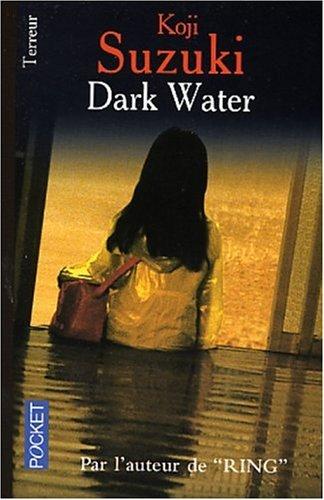
Dark Water
Koji Suzuki · 1996
Story engine Stories connect waterlogged apartments, ferries and urban infrastructure to grief and the returning dead
Closest Below connection water as a carrier of memory, family fear and hauntings that invade ordinary homes
Main difference A linked story collection, usually urban, rather than one continuous creature mystery
Best for Readers drawn to water as a carrier of memory, family fear and hauntings that invade ordinary homes.
Suzuki repeatedly places water where modern life assumes it has been controlled: tanks, plumbing, harbors and rain-soaked buildings. Parents, children and isolated adults discover that neglect leaves a physical residue.
The collection earns its place by making water a social archive. Its most famous story ties maternal anxiety to a building’s hidden systems, while the others widen that logic across contemporary Japan. It ranks 8 because its particular balance of investigation, character pressure and setting makes it a distinct rather than interchangeable recommendation.
In ranking terms, Dark Water scores especially well on water as a carrier of memory, family fear and hauntings that invade ordinary homes. That element has causal force because its story engine is specific: Stories connect waterlogged apartments, ferries and urban infrastructure to grief and the returning dead. The tradeoff is equally clear: A linked story collection, usually urban, rather than one continuous creature mystery. Readers who prioritize the connection may reasonably place it higher, while readers seeking the screen title’s exact tone should keep the distinction in mind.
Know before you start. Child endangerment, drowning, suicide and melancholy endings.
7
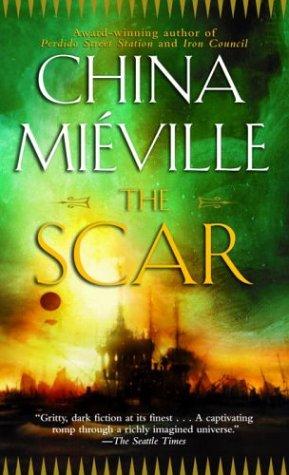
The Scar
China Miéville · 2002
Story engine Kidnapped travelers join a floating city whose rulers hunt a colossal transdimensional creature
Closest Below connection a maritime society, secret leadership and an expedition that may destroy the people it claims to protect
Main difference Secondary-world fantasy with baroque politics rather than contemporary horror
Best for Readers drawn to a maritime society, secret leadership and an expedition that may destroy the people it claims to protect.
Bellis Coldwine is seized by the floating city Armada, a civilization assembled from captured ships and populations. Its leaders plan to harness an avanc, but their public project conceals a more radical destination.
The novel’s real monster is collective ambition. Every district has a different relationship to Armada, so the creature hunt becomes a referendum on coercion, belonging and whether a mobile city can escape its own founding violence. It ranks 7 because its particular balance of investigation, character pressure and setting makes it a distinct rather than interchangeable recommendation.
In ranking terms, The Scar scores especially well on a maritime society, secret leadership and an expedition that may destroy the people it claims to protect. That element has causal force because its story engine is specific: Kidnapped travelers join a floating city whose rulers hunt a colossal transdimensional creature. The tradeoff is equally clear: Secondary-world fantasy with baroque politics rather than contemporary horror. Readers who prioritize the connection may reasonably place it higher, while readers seeking the screen title’s exact tone should keep the distinction in mind.
Know before you start. Slavery, torture, body modification, war and dense world-building.
We reviewed this: read our full review of The Scar →
6
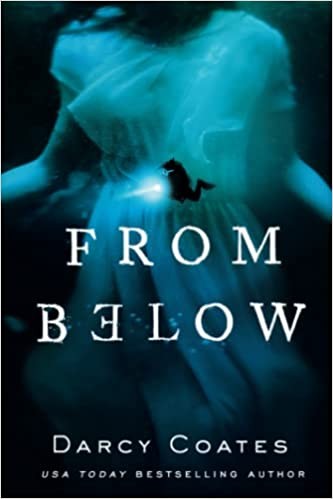
From Below
Darcy Coates · 2022
Story engine Divers filming a recently discovered shipwreck encounter a force preserved with the dead below
Closest Below connection underwater investigation, buried catastrophe and a team trapped far from help
Main difference The secret belongs to a wreck rather than a living coastal community
Best for Readers drawn to underwater investigation, buried catastrophe and a team trapped far from help.
A documentary crew descends to the Arcadia, a passenger ship missing for decades. Alternating timelines reconstruct the vessel’s final voyage while the divers learn that sealed rooms and old bodies are not inert evidence.
The dual structure makes the wreck a community frozen at the instant of collapse. Technical diving constraints turn every supernatural encounter into a practical problem of air, distance and decompression. It ranks 6 because its particular balance of investigation, character pressure and setting makes it a distinct rather than interchangeable recommendation.
In ranking terms, From Below scores especially well on underwater investigation, buried catastrophe and a team trapped far from help. That element has causal force because its story engine is specific: Divers filming a recently discovered shipwreck encounter a force preserved with the dead below. The tradeoff is equally clear: The secret belongs to a wreck rather than a living coastal community. Readers who prioritize the connection may reasonably place it higher, while readers seeking the screen title’s exact tone should keep the distinction in mind.
Know before you start. Drowning, corpses, confinement, panic and extended underwater peril.
5
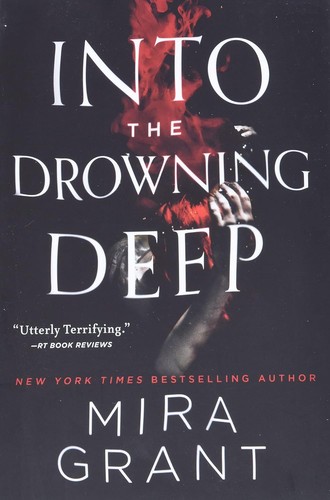
Into the Drowning Deep
Mira Grant · 2017
Story engine A research expedition hunts for proof of lethal humanoid creatures in the Mariana Trench
Closest Below connection marine science, a dangerous expedition and creatures that overturn comfortable assumptions
Main difference An ocean voyage with a large scientific team rather than one rooted town
Best for Readers drawn to marine science, a dangerous expedition and creatures that overturn comfortable assumptions.
Years after a mockumentary crew vanished, a new vessel carries scientists, media staff and grieving relatives back to the site. The expedition expects to document a mystery and instead finds an intelligent predator.
Grant treats expertise as plot: sonar, linguistics, marine biology and disability access all affect survival. The result is a creature feature in which evidence matters even after the evidence begins hunting the researchers. It ranks 5 because its particular balance of investigation, character pressure and setting makes it a distinct rather than interchangeable recommendation.
In ranking terms, Into the Drowning Deep scores especially well on marine science, a dangerous expedition and creatures that overturn comfortable assumptions. That element has causal force because its story engine is specific: A research expedition hunts for proof of lethal humanoid creatures in the Mariana Trench. The tradeoff is equally clear: An ocean voyage with a large scientific team rather than one rooted town. Readers who prioritize the connection may reasonably place it higher, while readers seeking the screen title’s exact tone should keep the distinction in mind.
Know before you start. Graphic attacks, mass death, scientific animal use and claustrophobia.
4
The Chill
Scott Carson · 2020
Story engine A drowned town beneath a New York reservoir returns to punish the communities that benefited from its erasure
Closest Below connection submerged history, threatened infrastructure and descendants inheriting a civic crime
Main difference A larger disaster thriller with supernatural elements rather than a single sea monster
Best for Readers drawn to submerged history, threatened infrastructure and descendants inheriting a civic crime.
The residents of Torrance were driven out so their valley could supply water to New York City. A century later, unusual deaths and failures around the dam suggest that the bargain was never settled.
The procedural attention to dams, weather and public agencies grounds the haunting. Family lines on both sides of the old evacuation make the mystery a conflict over whose version of progress becomes official. It ranks 4 because its particular balance of investigation, character pressure and setting makes it a distinct rather than interchangeable recommendation.
In ranking terms, The Chill scores especially well on submerged history, threatened infrastructure and descendants inheriting a civic crime. That element has causal force because its story engine is specific: A drowned town beneath a New York reservoir returns to punish the communities that benefited from its erasure. The tradeoff is equally clear: A larger disaster thriller with supernatural elements rather than a single sea monster. Readers who prioritize the connection may reasonably place it higher, while readers seeking the screen title’s exact tone should keep the distinction in mind.
Know before you start. Drowning, disaster, family death and harm to animals.
3
The Sea Dreams It Is the Sky
John Hornor Jacobs · 2018
Story engine An exile studying a poet’s occult papers uncovers a cosmic history of dictatorship and sacrifice
Closest Below connection scholarship, inherited national trauma and an intelligence pressing through ordinary reality
Main difference A compact cosmic-horror novella set largely away from the coast
Best for Readers drawn to scholarship, inherited national trauma and an intelligence pressing through ordinary reality.
Isabel Certa befriends a fellow exile who leaves her an apartment, a manuscript and instructions that imply his poetry concealed a dangerous practice. Reading becomes investigation as political terror and supernatural contact begin to overlap.
Jacobs understands that folklore travels with displaced people. The horror does not reduce history to metaphor; it shows how authoritarian violence prepares the mind to recognize older forms of predation. It ranks 3 because its particular balance of investigation, character pressure and setting makes it a distinct rather than interchangeable recommendation.
In ranking terms, The Sea Dreams It Is the Sky scores especially well on scholarship, inherited national trauma and an intelligence pressing through ordinary reality. That element has causal force because its story engine is specific: An exile studying a poet’s occult papers uncovers a cosmic history of dictatorship and sacrifice. The tradeoff is equally clear: A compact cosmic-horror novella set largely away from the coast. Readers who prioritize the connection may reasonably place it higher, while readers seeking the screen title’s exact tone should keep the distinction in mind.
Know before you start. Torture, dictatorship, ritual violence and dense occult imagery.
2
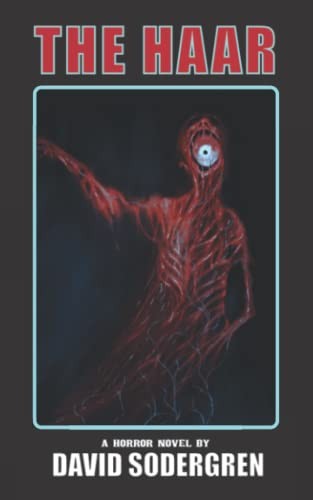
The Haar
David Sodergren · 2022
Story engine An elderly Scottish woman resists developers with help from an amorphous creature from the sea
Closest Below connection a threatened coastal home, an uncanny marine being and loyalty that may become monstrous
Main difference More intimate, gorier and darkly comic than an ensemble mystery
Best for Readers drawn to a threatened coastal home, an uncanny marine being and loyalty that may become monstrous.
Muriel McAuley refuses to leave the village where she has spent her life, even as a billionaire clears the coast for a luxury development. After she shelters a strange organism from the water, resistance becomes both possible and horrifying.
The book makes coastal displacement as important as its creature effects. Muriel’s bond with the being can be read as love, revenge or an ecosystem answering exploitation, giving the brisk plot unusual emotional weight. It ranks 2 because its particular balance of investigation, character pressure and setting makes it a distinct rather than interchangeable recommendation.
In ranking terms, The Haar scores especially well on a threatened coastal home, an uncanny marine being and loyalty that may become monstrous. That element has causal force because its story engine is specific: An elderly Scottish woman resists developers with help from an amorphous creature from the sea. The tradeoff is equally clear: More intimate, gorier and darkly comic than an ensemble mystery. Readers who prioritize the connection may reasonably place it higher, while readers seeking the screen title’s exact tone should keep the distinction in mind.
Know before you start. Extreme gore, predatory violence, elder abuse and bleak comedy.
1
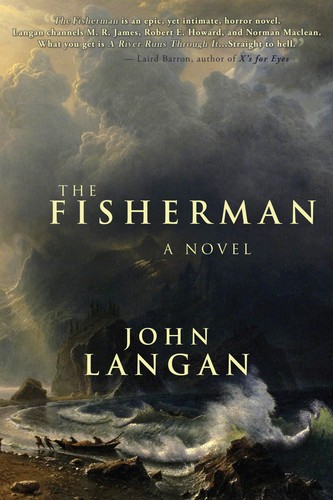
The Fisherman
John Langan · 2016
Story engine Two widowers discover that a remote fishing site is connected to an ancient, reality-altering presence
Closest Below connection grief, water folklore and a monster whose history consumes the people investigating it
Main difference The historical tale occupies much of the novel, while the contemporary community is small
Best for Readers drawn to grief, water folklore and a monster whose history consumes the people investigating it.
Abe and Dan turn to fishing after devastating losses. Their search for a rumored creek draws them into a story of Dutchman’s Creek, a drowned settlement and a being whose promises make mourning physically dangerous.
Its nested history gives the landscape moral depth: the water is not merely hiding a creature but preserving generations of appetite and loss. The patient structure makes discovery feel earned rather than delivered as exposition. It ranks 1 because its particular balance of investigation, character pressure and setting makes it the strongest overall match.
In ranking terms, The Fisherman scores especially well on grief, water folklore and a monster whose history consumes the people investigating it. That element has causal force because its story engine is specific: Two widowers discover that a remote fishing site is connected to an ancient, reality-altering presence. The tradeoff is equally clear: The historical tale occupies much of the novel, while the contemporary community is small. Readers who prioritize the connection may reasonably place it higher, while readers seeking the screen title’s exact tone should keep the distinction in mind.
Know before you start. Bereavement, child death, body horror and a long embedded narrative.