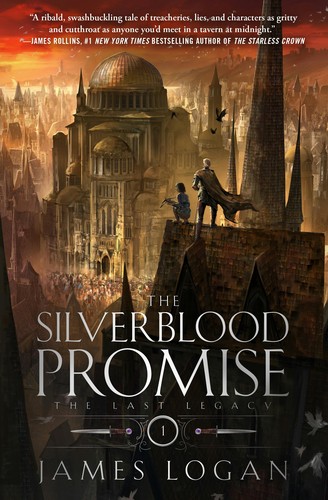
Marquetta arranged the conspiracy and employed the Faceless: he framed Zandrusa for Lord Saviola’s murder to silence her, and aimed the ceremony attack at destroying the new peace with Zar-Ghosa. The exposure at the Grand Restoration ends his bid, and he and his allies are imprisoned. Who killed Lukan’s father — and exactly why — is deliberately left unanswered: the legacy Lukan recovers points toward a vault in distant Korslakov, so continuing the journey is part of keeping the promise rather than a separate adventure.
Themes and What the Ending Means
Redemption through responsibility. Lukan spends the book trading a wastrel's freedom for the weight of an oath, discovering that keeping a promise costs more than making one.
Found family. The alliance of Lukan, the street child Flea and the thief Ashra becomes the story's real inheritance, sturdier than the noble name Lukan left behind.
Truth staged as spectacle. In Saphrona proof means little until it is shown where the powerful cannot look away, and the climax turns evidence into public theater.
Urban power shared by commerce and crime. The city is ruled jointly by its merchant princes and its underworld, and the murder plot follows the money wherever the two overlap.
Ancient technology mistaken for magic. Beneath the mystery lies the Phaeron question: relics that look like sorcery are really the residue of an older, engineered world.