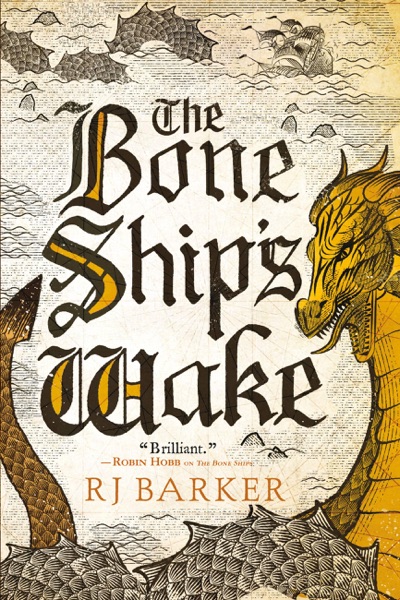
The final command saves Tide Child’s people by accepting the loss of Tide Child the object — completing the ship’s transformation from prison to community, because the crew, not the hull or the law, is what must survive. Joron and the Gullaime’s sacrifice is more than death in battle: it joins the creation story threaded through the trilogy, binding keyshan, wind and human freedom into the world’s renewal. Meas and the survivors inherit a future no longer organized around condemned crews and bones taken from slaughtered dragons — a close that is mournful but structurally hopeful.
Themes and What the Ending Means
Legend and Personhood. The Black Pirate identity gives Joron power while threatening to erase the vulnerable man using it.
Sacrifice Versus Disposal. The finale distinguishes chosen self-sacrifice from a society’s routine sacrifice of the powerless.
Law and Reproduction. Farys’s pregnancy tests whether revolution will change everyday rules, not only rulers.
Ecological Renewal. Keyshan and Gullaime are agents in the world’s future rather than materials for human power.
A Ship Is Its Crew. Tide Child’s meaning survives the destruction of its physical frame.