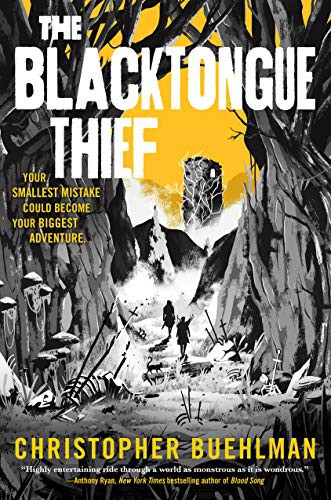
The ending completes Kinch’s moral movement more clearly than the geopolitical quest. He begins by measuring everyone as a mark, creditor or threat. By the climax he knowingly accepts danger and Guild punishment for Galva and Norrigal. The rescue plot reveals that the Guild itself provoked the invasion to break the witch-queen who had expelled it from Oustrim, though the reach of its design survives the reveal. Kinch survives with new grief, deeper magical implications and a relationship with Galva that will carry the series forward.
Themes and What the Ending Means
Debt as control. The Takers Guild owns Kinch by owning what he owes, turning friendship, theft and even survival into entries in a ledger he can never quite clear.
Chosen loyalty versus coerced service. Kinch begins as the Guild's instrument and slowly decides for himself that Galva and Norrigal are worth the punishment disloyalty will bring.
Humor as defense. Kinch's relentless joking is armor as much as personality, a way of narrating catastrophe that keeps the grief at arm's length until it can't.
The long social damage of war. The recent goblin war has hollowed out every kingdom the road passes through, and the book keeps its eye on the survivors rather than the glory.
Language, magic and identity. The title names Kinch’s Galtish people, born with literally black tongues, and Buehlman ties language, spellcraft and self so closely that words become the most loaded objects in the world.