Ranked · True Crime
The Top 10 True-Crime Books About Wildlife Smuggling and Exotic-Animal Obsession Like Monsters of God
by E. M. Larkin
A ranked nonfiction guide to reptile dealers, rare collectors, undercover agents, black markets, conservation paradoxes, and the price of owning the wild
HBO’s three-part documentary Monsters of God debuts on August 6, 2026 and follows the hidden economy surrounding reptiles, smugglers, collectors and the desire to possess dangerous animals. The title could easily be mistaken for fantasy or historical drama, so this list keeps the category exact: narrative nonfiction and true crime about wildlife trafficking, illicit collecting and the investigators who try to interrupt markets built on rarity.
The books range from reptiles and aquarium fish to falcons, butterflies, primates and stolen museum specimens. Some follow one flamboyant smuggler; others expose the institutional pipelines connecting poachers, zoos, breeders, auction houses and wealthy buyers. The ranking rewards narrative momentum, ethical complexity and attention to the paradox that conservation law can make an animal more valuable to the people most determined to own it.
The highest choices stay closest to Monsters of God by combining reptile subculture, family business, undercover enforcement and obsessive personalities. This is not a list of general animal-cruelty exposés. Every entry examines a market, collection or pursuit in which living creatures—or pieces of them—become contraband, status and evidence.
Selection note. These nonfiction books are ranked for wildlife crime, collector obsession and investigative narrative. Several describe animal suffering in detail; the content notes identify the books with the most difficult material.
10
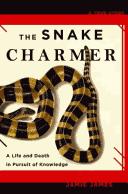
The Snake Charmer
Jamie James · 2008
Central pursuit A biography of herpetologist Joe Slowinski, whose search for venomous snakes ended after a krait bite in Myanmar
Closest Monsters of God connection Reptile fascination becomes a consuming vocation carried into remote, dangerous field conditions
Main difference A scientific biography rather than a trafficking investigation
Best for Scientific biography, expedition narrative, snake natural history and a portrait of consuming professional ambition
Joe Slowinski built a career around venomous snakes, taxonomy and field expeditions. Jamie James follows his restless personality, scientific ambition and final 2001 expedition in northern Myanmar, where a snakebite became fatal after weather, distance and communication failures prevented evacuation.
The book ranks tenth because its central obsession is research, not possession or sale. It still provides important context for the boundary Monsters of God explores: the same animal can be an object of fear, knowledge, prestige and personal compulsion. James is interested in the human costs of turning dangerous wildlife into a life’s organizing principle.
Know before you start. Includes a prolonged fatal envenomation, dangerous animal handling and the death of its central subject. It should not be read as a practical guide to field safety.
9
The Last Great Ape
Ofir Drori and David McDannald · 2012
Central pursuit An activist builds a wildlife-law-enforcement organization in Cameroon amid trafficking and corruption
Closest Monsters of God connection Illegal animal markets survive through compromised institutions as much as individual smugglers
Main difference A first-person activism memoir focused on enforcement reform rather than collectors’ psychology
Best for Activist memoir, Central African conservation, undercover operations, institutional reform and high personal stakes
After encountering the trade in endangered primates, Ofir Drori helped create the Last Great Ape Organization. The book follows investigations, arrests and prosecutions in a system where laws existed on paper but trafficking networks relied on bribery, delay and political protection to avoid consequence.
Drori and McDannald widen the frame from eccentric criminals to the state conditions that make wildlife crime profitable. The narrative can be self-dramatizing, but it makes enforcement labor visible: evidence, pressure, publicity and persistence matter after the dramatic seizure ends. It ranks ninth because reptiles are peripheral, yet its anti-corruption focus is essential background.
Know before you start. Includes descriptions of killed animals, corruption, threats and poverty. The account reflects the author’s advocacy perspective rather than detached institutional history.
8
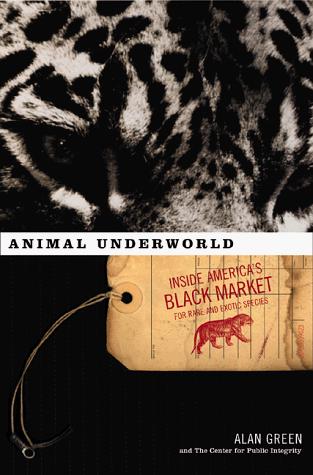
Animal Underworld
Alan Green · 1999
Central pursuit An investigation of the American pipeline moving exotic and surplus animals through dealers, auctions and private owners
Closest Monsters of God connection Legitimate institutions and black-market networks overlap until an animal’s origin becomes difficult to trace
Main difference A systemic exposé with less character-driven momentum than the higher true-crime narratives
Best for Investigative reporting, zoo accountability, exotic-pet commerce, policy detail and a broad United States focus
Working with the Center for Public Integrity, Green examines how zoos, theme parks, laboratories, breeders, hunting ranches and dealers dispose of or acquire rare animals. Paperwork and euphemism allow creatures presented as conservation assets to move into private collections, canned hunts and poorly regulated commerce.
The book’s strength is infrastructure. Rather than making one colorful smuggler explain the trade, Green follows the handoffs that let respectable organizations deny knowledge of an animal’s destination. It ranks eighth because its reporting now requires historical context and some laws have changed, but the laundering mechanisms remain valuable for understanding how illicit markets hide inside legal ones.
Know before you start. Includes animal suffering, canned hunting, euthanasia and laboratory conditions. Published in 1999, it should be paired with current legal and conservation information.
7
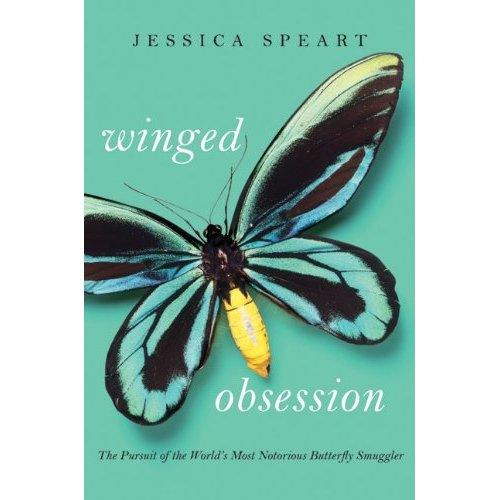
Winged Obsession
Jessica Speart · 2011
Central pursuit A rookie wildlife agent pursues butterfly smuggler Yoshi Kojima through a rare-insect black market
Closest Monsters of God connection Collector desire, undercover contact and a charismatic quarry turn wildlife enforcement into personal contest
Main difference Butterflies rather than reptiles, with a strong first-person role for the investigating author
Best for Undercover true crime, rare butterflies, a persistent investigator, collector psychology and a compact single-case narrative
Rare butterflies can command extraordinary prices precisely because habitat, law and scarcity restrict access. Speart follows Kojima’s network and agent Ed Newcomer’s effort to build a case, while describing her own contact with a man whose performance of danger became part of his market value.
The scale of an insect makes the crime easy to underestimate and the smuggling easy to conceal. Speart shows how cataloging, collecting and conservation language can become cover for acquisition at any cost. It ranks seventh because the author’s personal involvement occasionally competes with the case, yet the obsession-and-pursuit structure is exceptionally clear.
Know before you start. Includes animal destruction, manipulation, sexualized menace and undercover risk. Some scenes depend heavily on the author’s reconstruction and perspective.
6
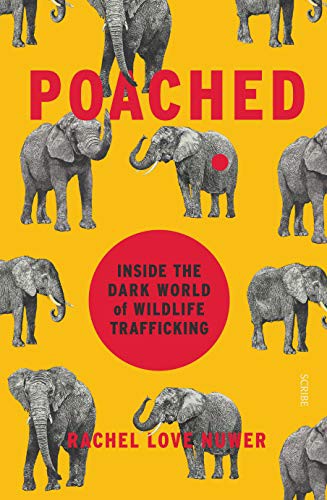
Poached
Rachel Love Nuwer · 2018
Central pursuit A global investigation follows trafficked animals from source landscapes through markets and consumer demand
Closest Monsters of God connection The trade’s strangest personalities sit inside a vast international economy that adapts faster than regulation
Main difference A broad reported survey rather than a single cat-and-mouse case
Best for Global reporting, multiple species, conservation policy, firsthand interviews and an accessible overview of wildlife trafficking
Nuwer travels through markets, enforcement operations and conservation projects to examine trafficking in reptiles, mammals and animal products. Her reporting connects individual deals to online commerce, corruption, status consumption and the pressure a new scientific discovery can place on a species once collectors learn it exists.
The breadth earns sixth place. Poached explains why confiscating one shipment rarely changes demand and why legal captive-breeding claims can become laundering tools. Its most unsettling insight is informational: publicity intended to protect a rare animal can advertise it to buyers. Readers who want Monsters of God expanded beyond one subculture should start here.
Know before you start. Includes extensive animal cruelty, killing, endangered-species trade and descriptions of markets. The wide scope means individual cases receive less depth.
5
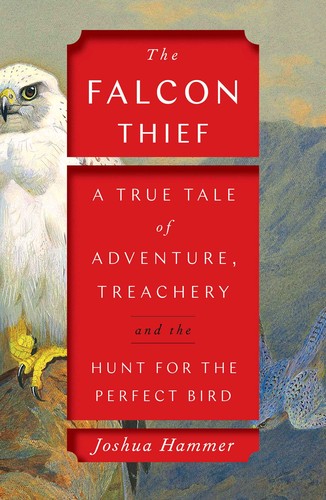
The Falcon Thief
Joshua Hammer · 2020
Central pursuit Serial nest raider Jeffrey Lendrum steals rare falcon eggs for wealthy buyers while investigators follow him across borders
Closest Monsters of God connection A knowledgeable wildlife enthusiast turns expertise into contraband and cultivates the persona of an adventurer
Main difference A bird-egg case driven by elite falconry demand rather than the exotic-pet reptile market
Best for A globe-spanning manhunt, rare birds, airport smuggling, outdoor adventure and a readable true-crime pace
Lendrum’s methods combined climbing skill, field knowledge, disguises and an ability to make implausible explanations sound temporarily plausible. His 2010 arrest at Birmingham Airport with peregrine eggs strapped to his body became one point in a much longer pattern pursued by wildlife detective Andy McWilliam.
Hammer structures the book as parallel obsession: thief and investigator understand the birds, the terrain and the thrill of pursuit. The market remains partly offstage, which can make the chase feel cleaner than the extraction behind it. It ranks fifth for narrative speed and the way expertise itself becomes morally unstable when rarity is treated as a challenge.
Know before you start. Includes stolen eggs, damaged nests, colonial history and a charismatic-criminal focus that some readers may find too admiring.
4
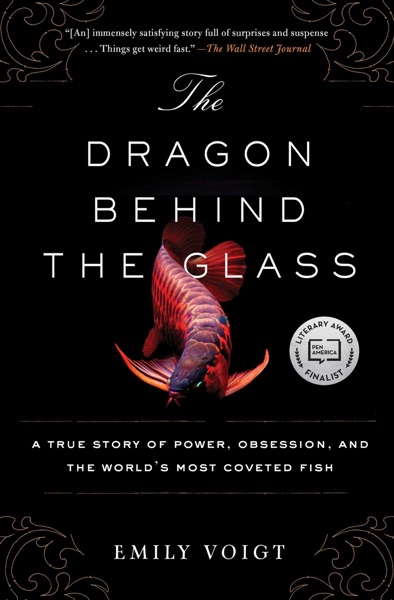
The Dragon Behind the Glass
Emily Voigt · 2016
Central pursuit A journalist investigates the Asian arowana, an endangered aquarium fish whose price and symbolism fuel obsession
Closest Monsters of God connection Collectors, breeders, criminals and conservation rules turn a rare animal into both sacred object and luxury commodity
Main difference A quest-shaped work of natural-history reporting with less conventional law-enforcement structure
Best for Aquarium culture, natural history, Southeast Asian travel, conservation paradoxes and investigative memoir
The Asian arowana can sell for extraordinary sums and is associated with luck, prestige and danger. Voigt follows the fish through high-security farms, international markets, historical aquarium culture and an increasingly personal attempt to see a wild specimen. Murder and smuggling exist beside questions of captive breeding and species protection.
Voigt is especially good on the paradox of managed rarity. A creature may be endangered in nature yet mass-produced for wealthy owners, while legal distinctions vary by country and specimen. It ranks fourth because the author’s own pursuit mirrors the collectors she studies, producing a self-aware book about how investigation can begin to resemble possession.
Know before you start. Includes animal trafficking, fish death, murder references and risky travel. The narrative openly includes the author’s uncertainty and obsession.
3
Stolen World
Jennie Erin Smith · 2011
Central pursuit Five decades of reptile dealers, smugglers, zoo figures and investigators form a global low-rent criminal history
Closest Monsters of God connection Reptile passion creates a subculture where friendship, scientific prestige and illegality repeatedly exchange places
Main difference A wider historical ensemble with more irony and less single-villain focus
Best for Reptile history, eccentric criminals, zoo complicity, international reporting and darkly comic narrative nonfiction
Smith follows figures such as Hank Molt through transactions involving tortoises, iguanas, vipers and other reptiles moved across six continents. The story passes through exposition halls, courtrooms, zoos and informal networks where specimens, permits and loyalties disappear with equal frequency.
The book’s great achievement is social texture. Smuggling is not presented as a remote cartel but as a community of obsessives whose rivalries, expertise and grudges connect legitimate institutions to criminal trade. It ranks third because its reptiles and ethically slippery personalities closely match Monsters of God, while its skepticism prevents the rogues from becoming uncomplicated folk heroes.
Know before you start. Includes animal death, trafficking, corruption and accounts built partly from participants with conflicting memories. The large cast requires attention.
2
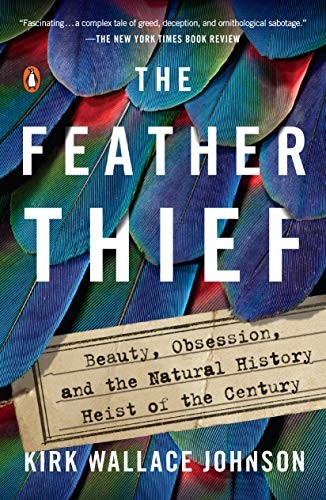
The Feather Thief
Kirk Wallace Johnson · 2018
Central pursuit A young musician steals rare bird skins from a natural-history museum to supply an obsessive fly-tying market
Closest Monsters of God connection A niche collector culture converts endangered wildlife into status, secrecy and rationalized theft
Main difference The contraband is historical museum material rather than living exotic animals
Best for Museum theft, collector subculture, investigative memoir, historical natural science and a propulsive central mystery
In 2009, Edwin Rist broke into the Tring museum and removed bird specimens gathered during the nineteenth century, many scientifically irreplaceable. The feathers held special value among practitioners of Victorian salmon-fly tying. Johnson reconstructs the theft, the subculture and the incomplete recovery of the skins.
Johnson ranks second because he explains how an apparently decorative obsession creates its own moral vocabulary. Participants can admire beauty, master difficult craft and still refuse to ask where material came from. The book is also strong on loss beyond price: a stolen specimen removes biological data and colonial history that no replacement can restore.
Know before you start. Includes destruction of scientific specimens, colonial collecting history and an investigation whose final answers remain incomplete. Some readers dispute the author’s degree of personal emphasis.
1
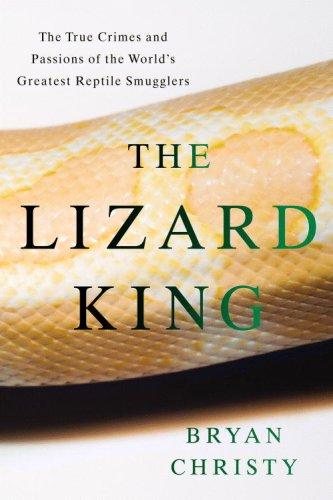
The Lizard King
Bryan Christy · 2008
Central pursuit A reptile-dealing family and a federal wildlife agent become locked in a years-long smuggling investigation
Closest Monsters of God connection The exact mixture of reptile obsession, family enterprise, flamboyant suspects and determined enforcement
Main difference A single American-centered case rather than a three-part survey of the broader contemporary trade
Best for Reptile true crime, a family business, federal investigation, colorful personalities and a concise narrative
Christy investigates the Van Nostrand family’s Florida reptile business and the international networks feeding it, while U.S. Fish and Wildlife agent Chip Bepler attempts to build a prosecutable case. The reporting moves through breeders, shipments, undercover work and personalities who regard dangerous animals as commerce, identity and proof of nerve.
No other book matches the documentary’s stated territory so precisely. Christy understands the theatricality of the trade—nicknames, risk, specimens and outlaw self-presentation—without losing sight of paperwork, animal mortality and legal patience. It takes first place because the crime is not incidental to reptile passion; the market and the obsession continually manufacture each other.
Know before you start. Includes animal smuggling, bites, dangerous handling, corruption allegations and scenes reconstructed from interviews. The book’s lively tone can sit uneasily beside animal harm.
Which Wildlife True-Crime Book Should You Read First?
Where to start. Start with The Lizard King for the closest direct match to Monsters of God: reptiles, a family business, international sourcing and a federal investigator. Follow it with Stolen World to see the same subculture spread across decades, institutions and a much larger cast.
Choose The Feather Thief for the most accessible single crime and the clearest explanation of collector morality. The Falcon Thief offers a more conventional pursuit narrative, while Winged Obsession makes the relationship between smuggler, agent and writer unusually personal.
Poached is the best broad introduction to the global trade. Read Animal Underworld for institutional pipelines and The Last Great Ape for enforcement under corruption. The Dragon Behind the Glass is the most reflective book about how researchers and journalists can acquire the same consuming desire they set out to explain.
Wildlife trafficking thrives on a contradiction. Rarity inspires protection, but protection advertises rarity; legal restriction can increase prestige; captive breeding can preserve a species or launder its origin. The strongest books resist the comforting idea that smugglers alone create the market. Collectors, institutions, consumers and sometimes conservation narratives all shape demand.
The Lizard King ranks first because it makes that system intimate without reducing it to harmless eccentricity. Across these ten books, the animals are not props in colorful crime. They are the material being converted—often painfully—from living beings and ecological relationships into trophies, inventory and stories people tell about themselves.