Ranked · Speculative
The Top 10 Speculative and Mystery Novels About Older Heroes Facing Impossible Threats Like The Boroughs
by E. M. Larkin
A ranked guide to retirement communities, aging witches, late-life investigators, veteran assassins, strange powers, shared homes, and time worth defending
Netflix’s The Boroughs premiered on May 21, 2026 with one of the year’s most distinctive genre ensembles: residents of a retirement community confront a force that steals the thing they have least to spare—time. Coverage naturally compares the series with the Duffer brothers’ younger heroes, but prose recommendations centered on older adults remain surprisingly thin. This list gives late-life protagonists the investigation, magic, danger and cosmic absurdity usually reserved for people decades younger.
The books range from surreal apocalypse and menopausal supernatural revenge to retirement-village mysteries, aging assassins and fraud pursuit. Every ranked protagonist is middle-aged or older, and age must affect the story through experience, bodily reality, social invisibility or the sharpened value of remaining time. The threat may be supernatural, criminal or deliberately ambiguous; none of the heroes exists merely to advise a younger lead.
The ranking favors ensembles, residential communities and books that treat aging as a source of narrative possibility rather than sentimental limitation. The highest choice begins with a ninety-two-year-old woman sent to an institution and ends in occult rebellion and cosmic transformation—an older-hero adventure so radical that most contemporary genre fiction is still catching up.
Selection note. These books are ranked for active older protagonists, community stakes and threats that test more than physical strength. The list mixes speculative fiction and mystery because The Boroughs draws equal energy from the impossible and from people investigating it together.
10
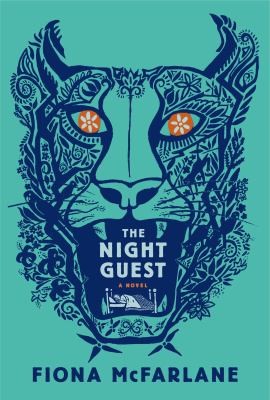
The Night Guest
Fiona McFarlane · 2013
Late-life threat A seventy-five-year-old widow hears a tiger in her seaside home before a mysterious caregiver enters her life
Closest The Boroughs connection Age, memory and an impossible presence make a familiar home vulnerable to someone else’s version of reality
Main difference An intimate psychological novel about exploitation rather than a heroic ensemble adventure
Best for Literary suspense, an older female viewpoint, Australian setting, unreliable perception and quiet escalating dread
Ruth lives alone on the New South Wales coast, where she wakes convinced that a tiger has moved through the house. Frida soon appears claiming to be a government caregiver. Her help becomes increasingly controlling as Ruth’s memories, sons and sense of authority over her own life grow harder to hold together.
McFarlane ranks tenth because Ruth is endangered more often than conventionally heroic, but the novel refuses to reduce her to a diagnosis. The tiger is fear, grandeur and possibility at once. The book exposes how easily other people treat an older woman’s uncertainty as permission, making the threat socially real even when its supernatural edge remains ambiguous.
Know before you start. Includes dementia, elder abuse, financial exploitation and grief. The story is intentionally painful and offers little of The Boroughs’ communal adventure.
9

Mrs. Caliban
Rachel Ingalls · 1982
Late-life threat A grieving suburban housewife shelters an escaped amphibious man hunted by a research institution
Closest The Boroughs connection An overlooked woman recognizes humanity in an impossible being while ordinary suburbia conceals danger
Main difference A short, melancholy love story with one central relationship rather than older neighbors acting as a team
Best for A brief surreal classic, suburban melancholy, interspecies romance, feminist unease and restrained prose
Dorothy’s marriage has become emotionally empty after devastating loss. News reports announce an escaped sea creature, but when the being called Larry enters her kitchen, fear gives way to recognition and desire. Their hidden relationship exposes the violence beneath scientific and domestic respectability.
Ingalls ranks ninth for making invisibility a form of access. Dorothy can shelter the impossible because the people around her barely imagine she possesses a secret life. The book is not explicit about her age and she is younger than many Boroughs residents, but its mature heroine, suburban setting and tender monster perspective justify inclusion.
Know before you start. Includes child death, marital grief, infidelity, scientific abuse and violence. The novel is emotionally stranger and darker than its whimsical premise suggests.
8
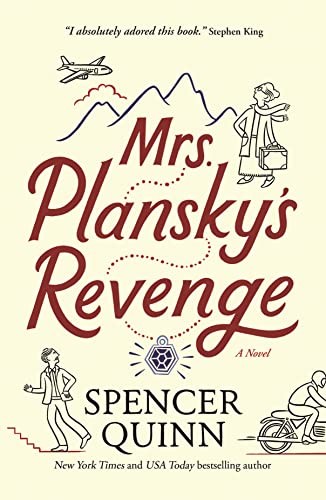
Mrs. Plansky’s Revenge
Spencer Quinn · 2023
Late-life threat A seventy-one-year-old widow travels to Romania after telephone scammers steal her savings
Closest The Boroughs connection People who classify an older woman as an easy target discover that experience and stubbornness travel
Main difference A comic crime caper with no supernatural element and a mostly solo investigation
Best for An older amateur sleuth, international travel, scam investigation, humor and a series-ready heroine
Loretta Plansky answers a late-night call from someone pretending to be her grandson and loses the money meant to sustain her retirement. Frustrated by the limits of official help, she follows the crime toward Romania. The pursuit connects a Florida victim with people trapped inside the scam economy.
Quinn turns the stereotype of digital helplessness into investigative momentum. Loretta is neither an action machine nor a cozy mascot; she has physical limits, family obligations and a lifetime of reading people. It ranks eighth because the stakes are criminal rather than cosmic, but the reversal of time-based predation is an excellent fit.
Know before you start. Includes elder fraud, violence, financial anxiety and criminal coercion. The tone is light without treating the underlying scam as harmless.
7
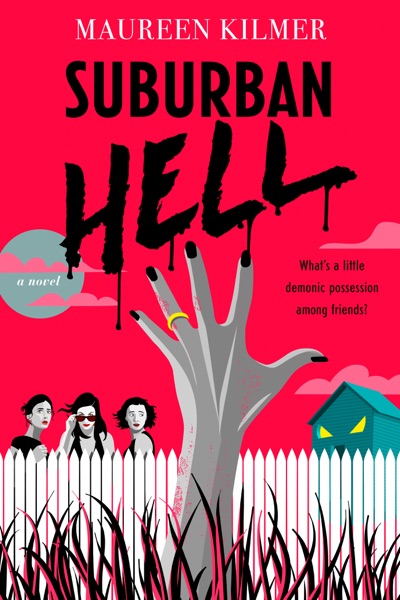
Suburban Hell
Maureen Kilmer · 2022
Late-life threat A group of suburban mothers confronts demonic activity after one friend’s home renovation
Closest The Boroughs connection Longstanding neighbors use familiarity, frustration and communal loyalty against an otherworldly invasion
Main difference The women are middle-aged rather than retired, and the novel favors broad horror comedy
Best for Horror comedy, female friendship, demonic possession, suburban satire and a fast standalone
Amy’s neighborhood friendships are held together by carpools, drinks and shared endurance. When Liz’s renovation seems to release something that changes her, the group must take seriously a danger hidden behind normal domestic chaos. Their knowledge of one another becomes evidence the wider community will not recognize.
Kilmer earns seventh place for ensemble mechanics. The women do not need to become different people before fighting evil; the skills built through unglamorous shared life are enough. It is younger and sillier than The Boroughs, but its suburban solidarity and refusal to make motherhood incompatible with genre adventure are close.
Know before you start. Includes possession, violence, body horror, alcohol and jokes about parenting stress. The tone remains playful even during danger.
6
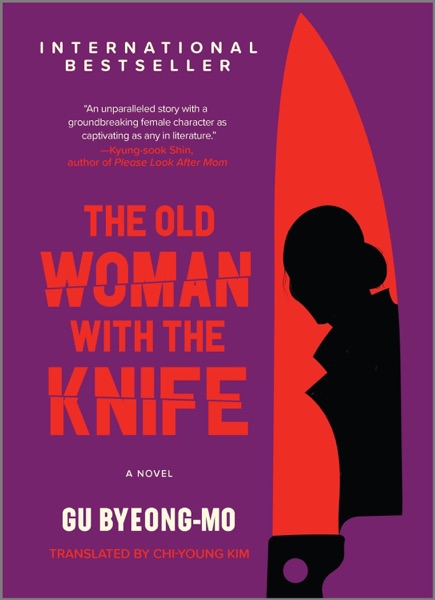
The Old Woman with the Knife
Gu Byeong-mo · 2013
Late-life threat An aging female assassin confronts physical decline, unexpected attachment and a younger man’s grudge
Closest The Boroughs connection A woman dismissed as old discovers that remaining time changes what survival and responsibility mean
Main difference A solitary Korean noir with no supernatural threat or residential ensemble
Best for Literary noir, an older woman assassin, Korean setting, moral ambiguity and a concise character study
Hornclaw has spent decades as a contract killer whose profession calls murder pest control. In her sixties, injury and slower reflexes threaten the identity that kept intimacy at distance. An encounter with a doctor’s family and conflict with a younger assassin force her to reconsider the future she assumed she did not need.
Gu ranks sixth because age is neither gimmick nor secret weapon. Hornclaw’s experience remains formidable, but the body’s changes are real and emotionally destabilizing. The novel’s sharpest Boroughs connection is temporal: danger intensifies when a protagonist no longer treats survival as infinite or attachment as safely postponable.
Know before you start. Includes murder, animal death, medical injury and violence against families. First published in Korean in 2013; English editions appeared later.
5
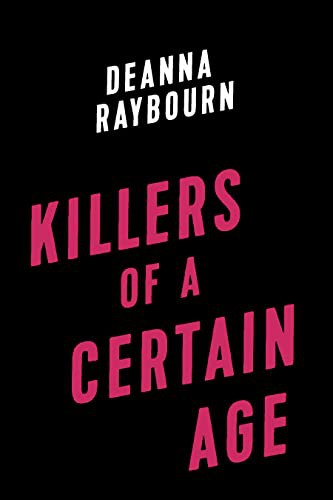
Killers of a Certain Age
Deanna Raybourn · 2022
Late-life threat Four women assassins on a retirement cruise discover that their own organization has marked them for death
Closest The Boroughs connection An older ensemble survives because decades of shared work outweigh the institution’s assumption that they are obsolete
Main difference A globe-trotting action caper without speculative elements
Best for Female friendship, older assassins, international action, banter and the beginning of a continuing series
Billie, Mary Alice, Helen and Natalie have worked together since the 1970s for a clandestine organization that targets dangerous people. Their retirement celebration becomes an ambush. Escaping requires old tradecraft, unresolved friendship and an investigation into why loyalty has been reclassified as liability.
Raybourn makes age part of logistics without turning every ache into a joke. The women understand one another’s histories, lies and specialties in ways a newly assembled team could not. It ranks fifth because the conspiracy is human, but the balance of communal residence, limited time and underestimated experience closely matches The Boroughs’ ensemble appeal.
Know before you start. Includes killing, explosives, past trauma and morally uncomplicated treatment of some assassinations. The action is intentionally cinematic.
4
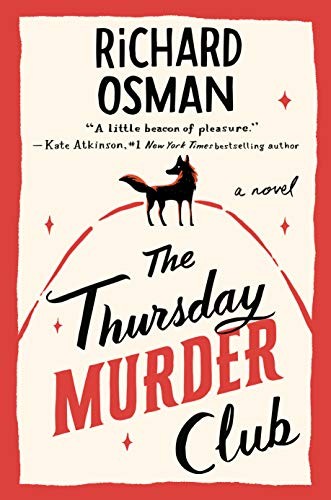
The Thursday Murder Club
Richard Osman · 2020
Late-life threat Residents of a retirement village investigate a current murder using skills and secrets from earlier lives
Closest The Boroughs connection A residential community becomes an investigative team whose members refuse social invisibility
Main difference A cozy crime novel with no supernatural force and a much gentler threat profile
Best for Cozy mystery, retirement-village ensemble, humor, emotional warmth and a popular continuing series
Elizabeth, Joyce, Ibrahim and Ron meet at Coopers Chase to examine unsolved cases. When a developer connected to the community is killed, the club gains a live investigation and access to people who repeatedly underestimate them. Personal histories become tools, complications and sources of grief.
Osman ranks fourth because the residential ensemble is an exact structural match. The members have different abilities and relationships to aging; friendship grows through action rather than inspirational speeches. The threat is ordinary murder, but the series demonstrates why older communities are ideal genre settings: everyone arrives with a full novel’s worth of past.
Know before you start. Includes murder, illness, dementia, suicide themes and grief beneath the light tone. The mystery shares space with character and community life.
3
The Witches of Moonshyne Manor
Bianca Marais · 2022
Late-life threat Octogenarian witches fight to save their longtime home as an old magical disaster returns
Closest The Boroughs connection Older friends combine distinct powers, secrets and decades of loyalty against a threat to their shared residence
Main difference A cozy, exuberant witch novel with much lower horror intensity
Best for Older witches, found family, magical heist history, home defense, humor and queer representation
Five aging witches await the return of their sister Ruby while Moonshyne Manor faces foreclosure and an angry local campaign. Their distillery cannot solve the debt, and the heist that separated the coven still carries consequences. A younger ally helps amplify rather than replace their fight.
Marais takes third place for the closest found-family configuration. Arthritis, memory and regret coexist with sexuality, competence and magic. The women’s home is not a backdrop; it is a repository of collective history worth defending. Readers who want the premise of The Boroughs without its menace should begin here.
Know before you start. Includes ageism, financial threat, past betrayal, magic-related danger and sexual references. The tone is warm and openly sentimental.
2
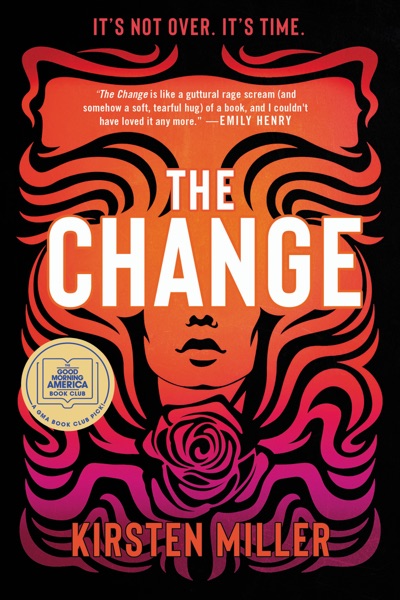
The Change
Kirsten Miller · 2022
Late-life threat Three middle-aged women develop uncanny abilities and investigate murdered girls in a wealthy coastal town
Closest The Boroughs connection Changes associated with age become powers that expose a community’s hidden predation
Main difference A furious feminist revenge mystery led by women around menopause rather than retirement age
Best for Supernatural investigation, menopausal heroines, female friendship, revenge fantasy and coastal-community secrets
Nessa hears the dead, Jo channels heat and Harriet discovers a transformative relationship with plants after her career and marriage collapse. When Nessa finds a girl’s body, the women follow evidence toward wealthy men protected by the town’s habits of dismissal.
Miller ranks second because age is the speculative engine. The powers do not restore youth; they make accumulated anger, attention and bodily change impossible to ignore. The trio’s investigation also shows why community knowledge matters when official systems have decided which victims are disposable. It is darker, sharper and more violent than a cozy mystery.
Know before you start. Includes murder of girls, sexual exploitation, misogyny, domestic abuse and violent revenge. The book is cathartic but not subtle about its villains.
1
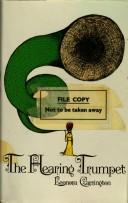
The Hearing Trumpet
Leonora Carrington · 1974
Late-life threat A ninety-two-year-old woman enters a bizarre retirement institution and joins an occult rebellion as reality changes
Closest The Boroughs connection Older residents confront a predatory system, decipher impossible events and become central to cosmic transformation
Main difference A surrealist novel whose logic is stranger and less plot-driven than contemporary genre television
Best for Surrealist comedy, occult mystery, rebellious older women, institutional satire and a short unpredictable classic
Marian Leatherby receives an ornate hearing trumpet and learns that her family plans to place her in an institution run by the Well of Light Brotherhood. The home’s peculiar buildings, rules and religious imagery lead Marian and the other women toward conspiracy, revolt and an apocalypse that gleefully overturns ordinary cosmology.
Carrington takes first place because she grants old women the full range of adventure: appetite, friendship, skepticism, mysticism and world-ending consequence. Marian is not impressive despite being ninety-two; her age is part of the novel’s freedom from conventional heroic expectation. Few books better match a retirement community discovering that impossible danger has chosen the wrong residents to underestimate.
Know before you start. Includes elder confinement, religious coercion, starvation and apocalyptic upheaval. First published in French translation in 1974 and in English in 1976.
Which Older-Hero Novel Should You Read First?
Where to start. Start with The Hearing Trumpet for the closest and strangest retirement-community adventure. Choose The Witches of Moonshyne Manor if you want an accessible found family defending a shared home with real magic and far more comfort.
The Change is the high-energy supernatural investigation, while The Thursday Murder Club provides the definitive cozy residential ensemble. Read Killers of a Certain Age or The Old Woman with the Knife for action, depending on whether you prefer team banter or concentrated noir.
Mrs. Plansky’s Revenge turns underestimation into a travel caper. Suburban Hell is the horror-comedy choice, Mrs. Caliban the surreal romantic classic and The Night Guest the serious psychological novel about an older woman whose authority over her own perception is being stolen.
Genre fiction often treats time as a resource young heroes possess automatically. Older protagonists make the accounting visible. They know what institutions forget, understand which relationships survive panic and cannot pretend that every sacrifice will be repaired later. The threat becomes more urgent without making life smaller.
The Hearing Trumpet wins because it refuses every polite limit placed on an old woman’s story. The Change and Moonshyne Manor translate that freedom into contemporary magic, while the mysteries turn accumulated social knowledge into method. Together, these books show why The Boroughs should open a lasting search category rather than a novelty: late life is not the epilogue to adventure.