Nocturne has a timely, unusually specific hook for readers. Apple TV’s Nocturne premieres October 30, 2026, following former soldier and homicide detective Jonah Lynn after his move to western Pennsylvania is shattered by serial killer Jurek Walter’s attack on the town and Jonah’s family.
The books below focus on dark serial-killer fiction where the investigator’s home life and the identity of a small community become part of the killer’s design. This is not a generic genre starter list. Each selection has been chosen because the mechanism connecting character, setting and conflict resembles the appeal of Nocturne, even when the period, tone or scale changes.
The ranking favors thematic usefulness over fame. The ranking rewards a sustained detective-killer contest, meaningful danger to family or community, psychological manipulation and a setting that contributes more than anonymous atmosphere. All ten ranked books come from different authors, and none has appeared as a ranked selection in the earlier Website lists.
Selection note. The ranking rewards a sustained detective-killer contest, meaningful danger to family or community, psychological manipulation and a setting that contributes more than anonymous atmosphere. The books are not ranked by sales, adaptation potential or superficial resemblance.
10
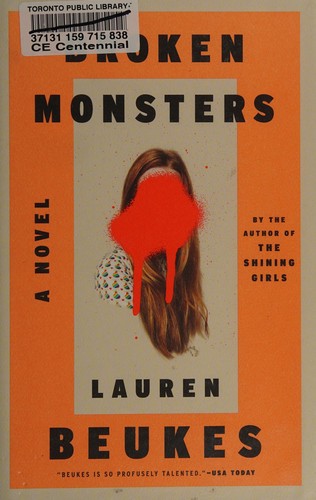
Broken Monsters
Lauren Beukes · 2014
Story engine A Detroit detective investigates bodies fused with animals as her daughter enters a dangerous online relationship
Closest Nocturne connection a damaged city, family vulnerability and murders that invade perception
Main difference Supernatural literary crime with several civilian viewpoints
Best for Readers drawn to a damaged city, family vulnerability and murders that invade perception.
Detective Gabriella Versado finds a boy’s torso attached to a deer. The case connects artists, journalists, homeless residents and her teenage daughter as a force turns creative obsession into physical rupture.
Beukes makes Detroit more than decay scenery by showing competing claims on its image. The killer transforms bodies, but media, art and redevelopment also reshape who gets seen as part of the city. It ranks 10 because its particular balance of investigation, character pressure and setting makes it a distinct rather than interchangeable recommendation.
In ranking terms, Broken Monsters scores especially well on a damaged city, family vulnerability and murders that invade perception. That element has causal force because its story engine is specific: A Detroit detective investigates bodies fused with animals as her daughter enters a dangerous online relationship. The tradeoff is equally clear: Supernatural literary crime with several civilian viewpoints. Readers who prioritize the connection may reasonably place it higher, while readers seeking the screen title’s exact tone should keep the distinction in mind.
Know before you start. Body horror, child murder, stalking, racism and online predation.
9
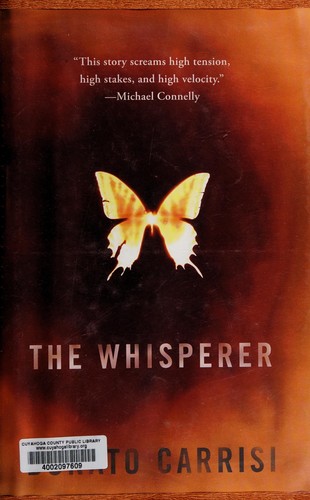
The Whisperer
Donato Carrisi · 2009
Story engine A specialist in missing children joins an investigation after severed arms reveal an unknown additional victim
Closest Nocturne connection a manipulative killer, team fractures and a case constructed to control investigators
Main difference A labyrinthine European thriller with deliberately heightened twists
Best for Readers drawn to a manipulative killer, team fractures and a case constructed to control investigators.
Mila Vasquez is brought into a task force after evidence from several abducted girls points to another child nobody has reported missing. Each discovery appears anticipated by an offender who understands the team.
Carrisi builds dread from administrative absence: the unidentified victim exposes the limits of systems that depend on someone noticing a child is gone. The killer’s real medium is the investigation itself. It ranks 9 because its particular balance of investigation, character pressure and setting makes it a distinct rather than interchangeable recommendation.
In ranking terms, The Whisperer scores especially well on a manipulative killer, team fractures and a case constructed to control investigators. That element has causal force because its story engine is specific: A specialist in missing children joins an investigation after severed arms reveal an unknown additional victim. The tradeoff is equally clear: A labyrinthine European thriller with deliberately heightened twists. Readers who prioritize the connection may reasonably place it higher, while readers seeking the screen title’s exact tone should keep the distinction in mind.
Know before you start. Child abduction, murder, mutilation and psychological manipulation.
8
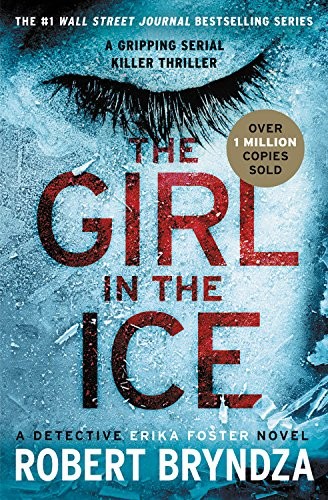
The Girl in the Ice
Robert Bryndza · 2016
Story engine A detective investigates a young woman found beneath the ice while rebuilding her career after public failure
Closest Nocturne connection an embattled investigator, a cold community and a case that threatens renewed stability
Main difference London procedural rather than rural American noir
Best for Readers drawn to an embattled investigator, a cold community and a case that threatens renewed stability.
Erika Foster returns to duty and finds that the victim’s powerful family expects control over the investigation. Earlier deaths suggest a pattern that status has helped conceal.
Bryndza’s strongest material concerns institutional confidence: Erika must challenge wealth without allowing colleagues to reduce every judgment to her grief and reputation. It ranks 8 because its particular balance of investigation, character pressure and setting makes it a distinct rather than interchangeable recommendation.
In ranking terms, The Girl in the Ice scores especially well on an embattled investigator, a cold community and a case that threatens renewed stability. That element has causal force because its story engine is specific: A detective investigates a young woman found beneath the ice while rebuilding her career after public failure. The tradeoff is equally clear: London procedural rather than rural American noir. Readers who prioritize the connection may reasonably place it higher, while readers seeking the screen title’s exact tone should keep the distinction in mind.
Know before you start. Murder, stalking, bereavement and violence against women.
7
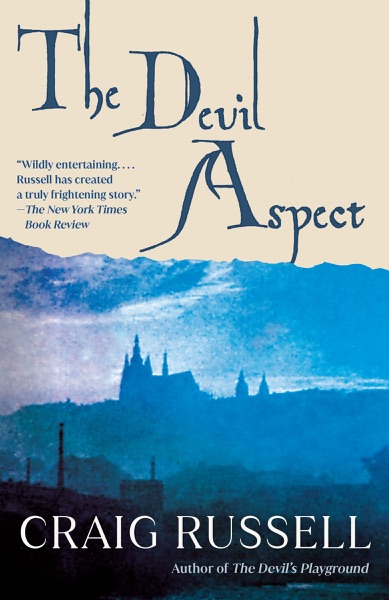
The Devil Aspect
Craig Russell · 2019
Story engine A psychiatrist in 1935 Czechoslovakia interviews notorious killers while a new murderer stalks Prague
Closest Nocturne connection an investigator entering criminal minds as political darkness closes around the setting
Main difference Historical gothic psychology rather than contemporary police noir
Best for Readers drawn to an investigator entering criminal minds as political darkness closes around the setting.
Viktor Kosárek works at an asylum housed in a medieval castle, testing a theory that evil may share one underlying form. Detective Lukáš Smolák investigates killings attributed to Leather Apron.
The novel makes the historical setting an accomplice. Efforts to isolate individual monstrosity unfold as fascism demonstrates how institutions can industrialize the same impulses. It ranks 7 because its particular balance of investigation, character pressure and setting makes it a distinct rather than interchangeable recommendation.
In ranking terms, The Devil Aspect scores especially well on an investigator entering criminal minds as political darkness closes around the setting. That element has causal force because its story engine is specific: A psychiatrist in 1935 Czechoslovakia interviews notorious killers while a new murderer stalks Prague. The tradeoff is equally clear: Historical gothic psychology rather than contemporary police noir. Readers who prioritize the connection may reasonably place it higher, while readers seeking the screen title’s exact tone should keep the distinction in mind.
Know before you start. Murder, antisemitism, fascism, psychiatric abuse and graphic violence.
6
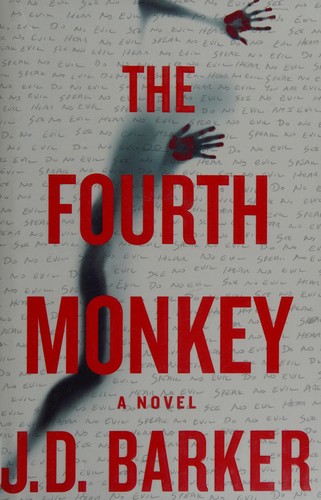
The Fourth Monkey
J. D. Barker · 2017
Story engine A detective investigates a serial killer’s death and the final victim he may have left alive
Closest Nocturne connection a long detective-killer relationship, family punishment and clues designed as psychological traps
Main difference A puzzle-heavy urban thriller with a more theatrical villain
Best for Readers drawn to a long detective-killer relationship, family punishment and clues designed as psychological traps.
Detective Sam Porter reaches what appears to be the end of the Fourth Monkey Killer’s career when a man is struck by a bus carrying a victim’s severed ear. A diary and missing girl turn the apparent ending into another round.
Barker uses the killer’s rule—punishing relatives for hidden sins—to make family history evidence. Porter cannot simply identify the offender; he must decide which narrative elements were planted to control him. It ranks 6 because its particular balance of investigation, character pressure and setting makes it a distinct rather than interchangeable recommendation.
In ranking terms, The Fourth Monkey scores especially well on a long detective-killer relationship, family punishment and clues designed as psychological traps. That element has causal force because its story engine is specific: A detective investigates a serial killer’s death and the final victim he may have left alive. The tradeoff is equally clear: A puzzle-heavy urban thriller with a more theatrical villain. Readers who prioritize the connection may reasonably place it higher, while readers seeking the screen title’s exact tone should keep the distinction in mind.
Know before you start. Kidnapping, torture, child abuse, mutilation and graphic violence.
5
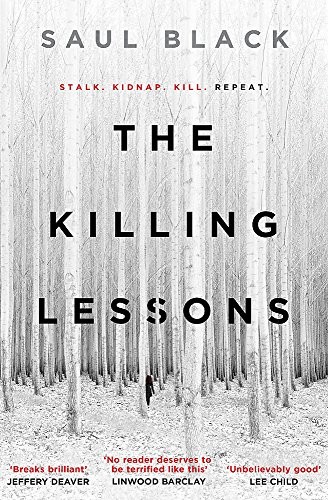
The Killing Lessons
Saul Black · 2015
Story engine A wounded detective hunts killers who stage elaborate murders of isolated women
Closest Nocturne connection a relentless investigator, ritualized predation and danger spreading into personal relationships
Main difference A violent American road thriller with multiple victim viewpoints
Best for Readers drawn to a relentless investigator, ritualized predation and danger spreading into personal relationships.
Valerie Hart recognizes links among murders that colleagues treat as separate. The killers’ next attack leaves a survivor whose knowledge can expose them if the investigation reaches her in time.
The novel earns its place by allowing victims and investigators independent interior lives. Valerie’s competence is costly rather than glamorous, and the case tests whether obsession can remain distinguishable from the predator’s fixation. It ranks 5 because its particular balance of investigation, character pressure and setting makes it a distinct rather than interchangeable recommendation.
In ranking terms, The Killing Lessons scores especially well on a relentless investigator, ritualized predation and danger spreading into personal relationships. That element has causal force because its story engine is specific: A wounded detective hunts killers who stage elaborate murders of isolated women. The tradeoff is equally clear: A violent American road thriller with multiple victim viewpoints. Readers who prioritize the connection may reasonably place it higher, while readers seeking the screen title’s exact tone should keep the distinction in mind.
Know before you start. Graphic torture, sexual violence, murder and addiction.
4
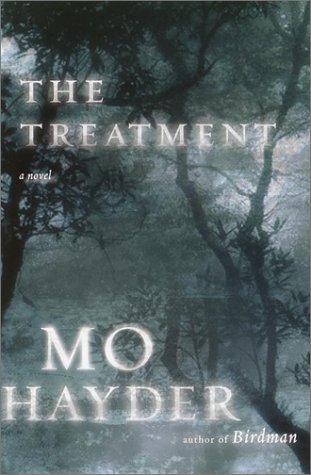
The Treatment
Mo Hayder · 2001
Story engine A detective investigates a family held captive in their home while his own childhood trauma resurfaces
Closest Nocturne connection a family-targeting predator and an investigator whose private history becomes operational
Main difference Far more graphic and urban than Nocturne’s small-town premise
Best for Readers drawn to a family-targeting predator and an investigator whose private history becomes operational.
Jack Caffery confronts the disappearance of a child after the rest of the family is found imprisoned. Evidence suggests that the assault is part of a pattern authorities have failed to imagine.
Hayder makes institutional blind spots as frightening as the offender. Caffery’s obsession sharpens detection but also creates openings for manipulation, refusing the fantasy that damaged investigators are damaged only in useful ways. It ranks 4 because its particular balance of investigation, character pressure and setting makes it a distinct rather than interchangeable recommendation.
In ranking terms, The Treatment scores especially well on a family-targeting predator and an investigator whose private history becomes operational. That element has causal force because its story engine is specific: A detective investigates a family held captive in their home while his own childhood trauma resurfaces. The tradeoff is equally clear: Far more graphic and urban than Nocturne’s small-town premise. Readers who prioritize the connection may reasonably place it higher, while readers seeking the screen title’s exact tone should keep the distinction in mind.
Know before you start. Extreme child abuse, sexual violence, captivity and graphic forensic material.
3
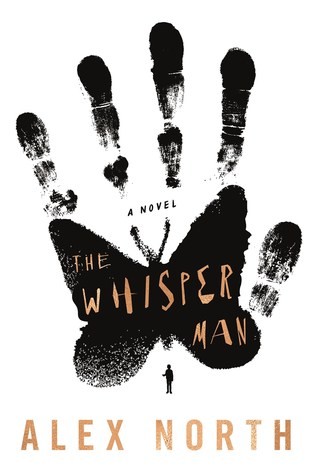
The Whisper Man
Alex North · 2019
Story engine A father and son move to a town haunted by an earlier child killer as a new disappearance repeats the pattern
Closest Nocturne connection a supposedly quiet relocation, family vulnerability and local memory organized around a predator
Main difference Family horror shares space with police procedure
Best for Readers drawn to a supposedly quiet relocation, family vulnerability and local memory organized around a predator.
Tom Kennedy hopes Featherbank will help him rebuild after his wife’s death. His son Jake begins hearing whispers, and detectives confront evidence connected to a killer already in prison.
North makes the town’s old case a language children understand before adults do. Grief isolates father and son at the exact moment communication becomes necessary for survival. It ranks 3 because its particular balance of investigation, character pressure and setting makes it a distinct rather than interchangeable recommendation.
In ranking terms, The Whisper Man scores especially well on a supposedly quiet relocation, family vulnerability and local memory organized around a predator. That element has causal force because its story engine is specific: A father and son move to a town haunted by an earlier child killer as a new disappearance repeats the pattern. The tradeoff is equally clear: Family horror shares space with police procedure. Readers who prioritize the connection may reasonably place it higher, while readers seeking the screen title’s exact tone should keep the distinction in mind.
Know before you start. Child abduction, bereavement, murder and domestic fear.
2
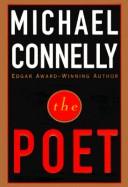
The Poet
Michael Connelly · 1996
Story engine A reporter investigates apparent suicides among homicide detectives and discovers a killer arranging clues through poetry
Closest Nocturne connection a predator targeting law enforcement and an investigator personally bound to the first death
Main difference The lead is a journalist rather than a detective
Best for Readers drawn to a predator targeting law enforcement and an investigator personally bound to the first death.
Jack McEvoy doubts that his detective brother killed himself. Comparing cases reveals a pattern of dead officers, literary quotations and institutional reluctance to connect jurisdictions.
Connelly turns research into pursuit. Jack’s professional hunger is inseparable from grief, making every exclusive morally unstable as the killer begins shaping the story being written about him. It ranks 2 because its particular balance of investigation, character pressure and setting makes it a distinct rather than interchangeable recommendation.
In ranking terms, The Poet scores especially well on a predator targeting law enforcement and an investigator personally bound to the first death. That element has causal force because its story engine is specific: A reporter investigates apparent suicides among homicide detectives and discovers a killer arranging clues through poetry. The tradeoff is equally clear: The lead is a journalist rather than a detective. Readers who prioritize the connection may reasonably place it higher, while readers seeking the screen title’s exact tone should keep the distinction in mind.
Know before you start. Suicide, child murder, sexual violence and graphic crime scenes.
1
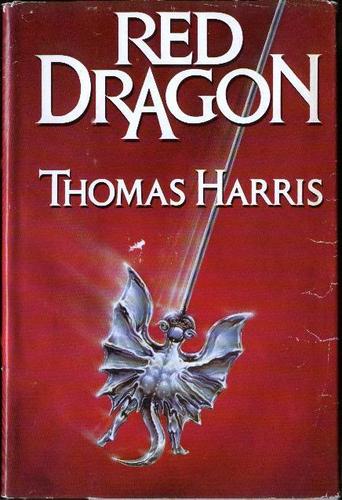
Red Dragon
Thomas Harris · 1981
Story engine A retired profiler returns to hunt a family murderer while Hannibal Lecter studies his vulnerabilities
Closest Nocturne connection a gifted investigator pulled back into danger and a killer who targets domestic safety
Main difference Broader federal investigation with two famous antagonists
Best for Readers drawn to a gifted investigator pulled back into danger and a killer who targets domestic safety.
Will Graham has withdrawn after capturing Lecter, but a series of murdered families demands his particular imagination. Consulting Lecter helps the case while reopening the precise weaknesses that nearly destroyed him.
Harris establishes the template because profiling is never a neutral superpower. To understand Francis Dolarhyde, Will risks carrying the killer’s logic home, and Lecter recognizes family as the lever that can move him. It ranks 1 because its particular balance of investigation, character pressure and setting makes it the strongest overall match.
In ranking terms, Red Dragon scores especially well on a gifted investigator pulled back into danger and a killer who targets domestic safety. That element has causal force because its story engine is specific: A retired profiler returns to hunt a family murderer while Hannibal Lecter studies his vulnerabilities. The tradeoff is equally clear: Broader federal investigation with two famous antagonists. Readers who prioritize the connection may reasonably place it higher, while readers seeking the screen title’s exact tone should keep the distinction in mind.
Know before you start. Graphic murder, child danger, animal harm, abuse and disturbing forensic detail.
Which Nocturne Read-Alike Should You Read First?
Where to start. Start with Red Dragon for the best overall match: a gifted investigator pulled back into danger and a killer who targets domestic safety. Choose The Poet if you want a predator targeting law enforcement and an investigator personally bound to the first death, or The Whisper Man for a supposedly quiet relocation, family vulnerability and local memory organized around a predator.
The rest of the ranking is deliberately varied. Readers who prioritize premise over tone should follow the “Closest connection” field, while readers sensitive to intensity should use “Know before you start.” The lower-ranked books are not weaker novels; they simply reproduce fewer parts of Nocturne at the same time.
The most useful read-alikes do not copy a screen title’s props. They identify the pressure underneath them. In Nocturne, that pressure comes from dark serial-killer fiction where the investigator’s home life and the identity of a small community become part of the killer’s design. The strongest novels on this list turn that pressure into structure rather than decoration.
Red Dragon offers the closest complete bridge, while The Poet and The Whisper Man isolate different parts of the appeal. Together, the ten books provide multiple routes into the same reading need without collapsing into franchise tie-ins or a recycled genre canon.