Human Vapor has a timely, unusually specific hook for readers. Netflix and Toho’s 2026 series Human Vapor reimagines the 1960 film around an unstoppable gaseous mutant who uses his transformed body to commit crimes, turning detection into a problem of identity, matter and responsibility.
The books below focus on science-fiction crime novels in which transformed, copied or replaceable bodies make ordinary evidence unreliable. This is not a generic genre starter list. Each selection has been chosen because the mechanism connecting character, setting and conflict resembles the appeal of Human Vapor, even when the period, tone or scale changes.
The ranking favors thematic usefulness over fame. The ranking favors a genuine investigation, bodily transformation central to the crime, unstable identity and consequences for legal responsibility rather than transformation used only as action spectacle. All ten ranked books come from different authors, and none has appeared as a ranked selection in the earlier Website lists.
Selection note. The ranking favors a genuine investigation, bodily transformation central to the crime, unstable identity and consequences for legal responsibility rather than transformation used only as action spectacle. The books are not ranked by sales, adaptation potential or superficial resemblance.
10
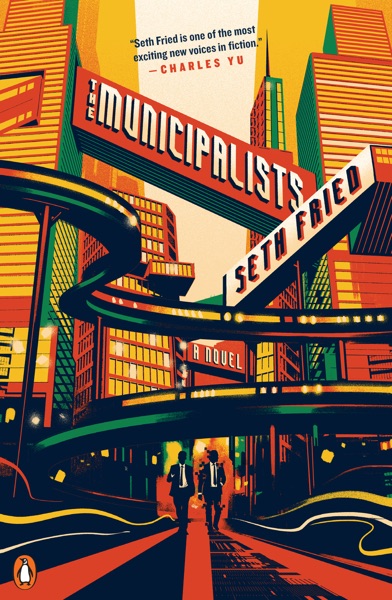
The Municipalists
Seth Fried · 2019
Story engine A rule-bound civil servant and a rebellious artificial intelligence investigate attacks on a model city
Closest Human Vapor connection an artificial partner, civic crime and identities defined by bureaucratic purpose
Main difference Urban comic adventure with less bodily transformation
Best for Readers drawn to an artificial partner, civic crime and identities defined by bureaucratic purpose.
Henry Thompson is sent to Metropolis to stop a plot against its infrastructure. His assigned AI, OWEN, prefers jokes, holographic outfits and improvisation.
Fried makes partnership the transformation. Henry has reduced himself to procedure while OWEN exceeds its official function; solving the case requires both to become less like the roles their institutions purchased. It ranks 10 because its particular balance of investigation, character pressure and setting makes it a distinct rather than interchangeable recommendation.
In ranking terms, The Municipalists scores especially well on an artificial partner, civic crime and identities defined by bureaucratic purpose. That element has causal force because its story engine is specific: A rule-bound civil servant and a rebellious artificial intelligence investigate attacks on a model city. The tradeoff is equally clear: Urban comic adventure with less bodily transformation. Readers who prioritize the connection may reasonably place it higher, while readers seeking the screen title’s exact tone should keep the distinction in mind.
Know before you start. Terrorism, alcohol abuse, civic disaster and satirical violence.
9

The Unit
Ninni Holmqvist · 2006
Story engine A woman deemed socially dispensable enters a facility that uses residents for experiments and organ donation
Closest Human Vapor connection the body as state property and identity reduced to institutional value
Main difference Dystopian literary fiction without a central detective
Best for Readers drawn to the body as state property and identity reduced to institutional value.
Dorrit is assigned to the Second Reserve Bank Unit on her fiftieth birthday. Comfort and community coexist with escalating medical extraction.
The novel shows a crime normalized so completely that there is no official investigation. Dorrit’s growing attachments create an alternative record of value against a system that counts only reproduction and economic utility. It ranks 9 because its particular balance of investigation, character pressure and setting makes it a distinct rather than interchangeable recommendation.
In ranking terms, The Unit scores especially well on the body as state property and identity reduced to institutional value. That element has causal force because its story engine is specific: A woman deemed socially dispensable enters a facility that uses residents for experiments and organ donation. The tradeoff is equally clear: Dystopian literary fiction without a central detective. Readers who prioritize the connection may reasonably place it higher, while readers seeking the screen title’s exact tone should keep the distinction in mind.
Know before you start. Forced medical procedures, organ harvesting, pregnancy and death.
8
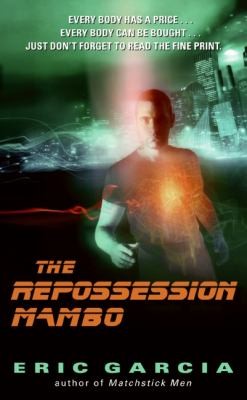
The Repossession Mambo
Eric Garcia · 2009
Story engine An artificial-organ repossession agent becomes a debtor targeted for his own replacement heart
Closest Human Vapor connection rented bodies, legalized violence and an enforcer transformed into evidence against the system
Main difference More satirical action than mystery
Best for Readers drawn to rented bodies, legalized violence and an enforcer transformed into evidence against the system.
Remy recovers organs from customers who miss payments until an accident leaves him dependent on the same credit regime. His employer assigns his former partner to reclaim him.
Garcia literalizes corporate ownership of the body. Remy knows every procedural loophole because he enforced them, making survival an investigation into how contracts converted murder into customer service. It ranks 8 because its particular balance of investigation, character pressure and setting makes it a distinct rather than interchangeable recommendation.
In ranking terms, The Repossession Mambo scores especially well on rented bodies, legalized violence and an enforcer transformed into evidence against the system. That element has causal force because its story engine is specific: An artificial-organ repossession agent becomes a debtor targeted for his own replacement heart. The tradeoff is equally clear: More satirical action than mystery. Readers who prioritize the connection may reasonably place it higher, while readers seeking the screen title’s exact tone should keep the distinction in mind.
Know before you start. Graphic violence, organ removal, debt coercion and cynical humor.
7
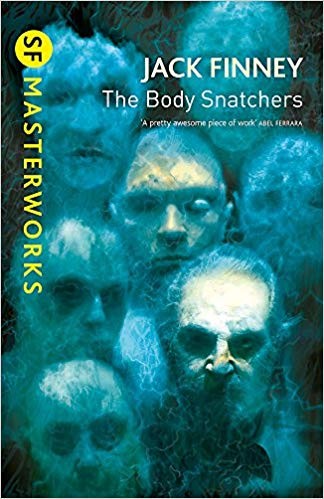
The Body Snatchers
Jack Finney · 1955
Story engine A doctor investigates why residents of his town insist loved ones have been replaced
Closest Human Vapor connection duplicate bodies, unreliable recognition and a community-scale identity crime
Main difference Classic invasion horror rather than police noir
Best for Readers drawn to duplicate bodies, unreliable recognition and a community-scale identity crime.
Miles Bennell encounters patients who look unchanged but feel emotionally wrong to those closest to them. Physical evidence appears and vanishes as replacements spread.
Finney understands that identity is socially verified before it is scientifically measured. The investigation depends on intimate recognition, precisely the kind of evidence institutions dismiss until the institution itself changes. It ranks 7 because its particular balance of investigation, character pressure and setting makes it a distinct rather than interchangeable recommendation.
In ranking terms, The Body Snatchers scores especially well on duplicate bodies, unreliable recognition and a community-scale identity crime. That element has causal force because its story engine is specific: A doctor investigates why residents of his town insist loved ones have been replaced. The tradeoff is equally clear: Classic invasion horror rather than police noir. Readers who prioritize the connection may reasonably place it higher, while readers seeking the screen title’s exact tone should keep the distinction in mind.
Know before you start. Paranoia, dehumanization, invasion and dated gender roles.
6
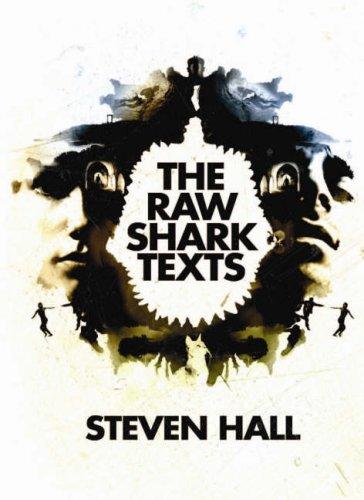
The Raw Shark Texts
Steven Hall · 2007
Story engine An amnesiac man follows messages from his former self while a conceptual predator hunts him
Closest Human Vapor connection identity reconstructed from evidence and an impossible entity that consumes memory
Main difference Literary metafiction with only a loose crime structure
Best for Readers drawn to identity reconstructed from evidence and an impossible entity that consumes memory.
Eric Sanderson wakes without autobiographical memory and receives letters explaining the recurrence. His search leads to an underground expert and a shark made from language and information.
Hall makes the self an investigation whose documents may be bait. Typography and conceptual spaces turn cognition into physical terrain, closely matching a villain whose material state defeats conventional containment. It ranks 6 because its particular balance of investigation, character pressure and setting makes it a distinct rather than interchangeable recommendation.
In ranking terms, The Raw Shark Texts scores especially well on identity reconstructed from evidence and an impossible entity that consumes memory. That element has causal force because its story engine is specific: An amnesiac man follows messages from his former self while a conceptual predator hunts him. The tradeoff is equally clear: Literary metafiction with only a loose crime structure. Readers who prioritize the connection may reasonably place it higher, while readers seeking the screen title’s exact tone should keep the distinction in mind.
Know before you start. Grief, memory loss, institutionalization and experimental formatting.
5
The Punch Escrow
Tal M. Klein · 2017
Story engine A teleportation accident leaves two versions of one man alive
Closest Human Vapor connection duplicated identity, corporate concealment and a crime created by technology’s hidden mechanism
Main difference Conspiracy chase rather than detective procedural
Best for Readers drawn to duplicated identity, corporate concealment and a crime created by technology’s hidden mechanism.
Joel Byram enters a teleportation system believed to move bodies instantaneously. An accident reveals that the process destroys and recreates, and both resulting Joels become liabilities.
The thriller turns a philosophical problem into a custody dispute over a life. Marriage, citizenship and culpability cannot accommodate two claimants with the same memory, giving the company a practical reason to erase evidence. It ranks 5 because its particular balance of investigation, character pressure and setting makes it a distinct rather than interchangeable recommendation.
In ranking terms, The Punch Escrow scores especially well on duplicated identity, corporate concealment and a crime created by technology’s hidden mechanism. That element has causal force because its story engine is specific: A teleportation accident leaves two versions of one man alive. The tradeoff is equally clear: Conspiracy chase rather than detective procedural. Readers who prioritize the connection may reasonably place it higher, while readers seeking the screen title’s exact tone should keep the distinction in mind.
Know before you start. Violence, identity death, corporate abuse and technical exposition.
4
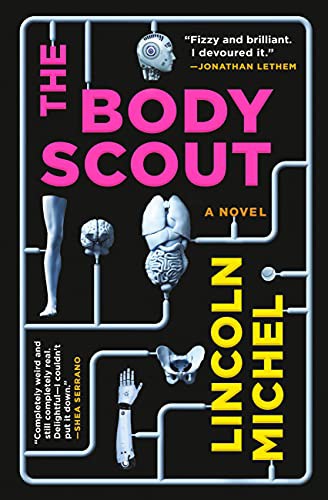
The Body Scout
Lincoln Michel · 2021
Story engine A baseball scout investigates his brother’s murder in a future of extreme biological modification
Closest Human Vapor connection engineered bodies, corporate ownership and a homicide hidden inside professional sport
Main difference Biopunk sports noir rather than supernatural mutation
Best for Readers drawn to engineered bodies, corporate ownership and a homicide hidden inside professional sport.
Kobo scouts genetically optimized athletes while paying debts on his own modifications. His brother’s death during a game points toward rival leagues, patents and enhancements treated as private property.
Michel makes the body both workplace and crime scene. Because every organ can be upgraded or repossessed, motive extends from personal rivalry to the companies that define acceptable humanity. It ranks 4 because its particular balance of investigation, character pressure and setting makes it a distinct rather than interchangeable recommendation.
In ranking terms, The Body Scout scores especially well on engineered bodies, corporate ownership and a homicide hidden inside professional sport. That element has causal force because its story engine is specific: A baseball scout investigates his brother’s murder in a future of extreme biological modification. The tradeoff is equally clear: Biopunk sports noir rather than supernatural mutation. Readers who prioritize the connection may reasonably place it higher, while readers seeking the screen title’s exact tone should keep the distinction in mind.
Know before you start. Body horror, murder, addiction and corporate exploitation.
3
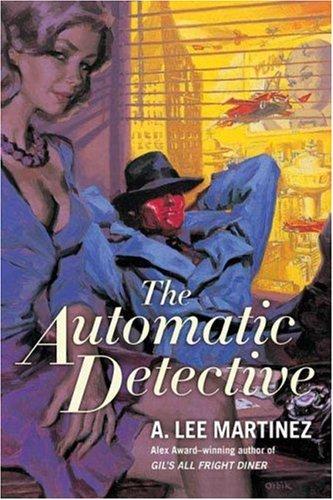
The Automatic Detective
A. Lee Martinez · 2008
Story engine A robot designed for destruction becomes a cabdriver and amateur detective after neighbors disappear
Closest Human Vapor connection a transformed weapon choosing investigation and personhood
Main difference Retro comic pulp rather than dark body horror
Best for Readers drawn to a transformed weapon choosing investigation and personhood.
Mack Megaton resists his programming in Empire City until the disappearance of a neighboring family pulls him into mutants, conspiracies and mad science.
Mack’s body is evidence against the life he wants. Every feat that helps solve the case also reminds authorities and criminals what he was built to do, making self-definition an ongoing legal problem. It ranks 3 because its particular balance of investigation, character pressure and setting makes it a distinct rather than interchangeable recommendation.
In ranking terms, The Automatic Detective scores especially well on a transformed weapon choosing investigation and personhood. That element has causal force because its story engine is specific: A robot designed for destruction becomes a cabdriver and amateur detective after neighbors disappear. The tradeoff is equally clear: Retro comic pulp rather than dark body horror. Readers who prioritize the connection may reasonably place it higher, while readers seeking the screen title’s exact tone should keep the distinction in mind.
Know before you start. Cartoon violence, kidnapping and deliberate pulp stereotypes.
2
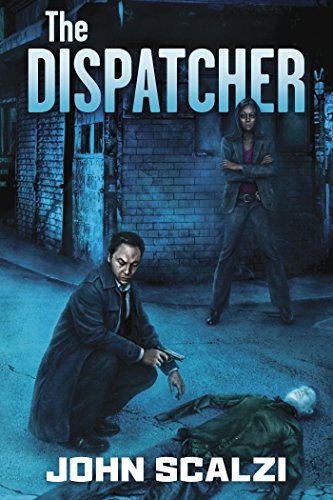
The Dispatcher
John Scalzi · 2016
Story engine A licensed killer sends murder victims back to life and is forced to investigate a colleague’s disappearance
Closest Human Vapor connection death as a regulated technology and a professional whose body of work resists ordinary law
Main difference A short near-future procedural without physical mutation beyond resurrection
Best for Readers drawn to death as a regulated technology and a professional whose body of work resists ordinary law.
Tony Valdez kills people at the edge of death because intentional killing usually returns them alive at home. A missing dispatcher exposes criminal uses of the phenomenon.
The novella’s elegance comes from treating a miracle as infrastructure. Insurance, policing and organized crime rapidly adapt, while the unsolved exception keeps moral responsibility stubbornly human. It ranks 2 because its particular balance of investigation, character pressure and setting makes it a distinct rather than interchangeable recommendation.
In ranking terms, The Dispatcher scores especially well on death as a regulated technology and a professional whose body of work resists ordinary law. That element has causal force because its story engine is specific: A licensed killer sends murder victims back to life and is forced to investigate a colleague’s disappearance. The tradeoff is equally clear: A short near-future procedural without physical mutation beyond resurrection. Readers who prioritize the connection may reasonably place it higher, while readers seeking the screen title’s exact tone should keep the distinction in mind.
Know before you start. Murder, medical peril, kidnapping and organized crime.
1
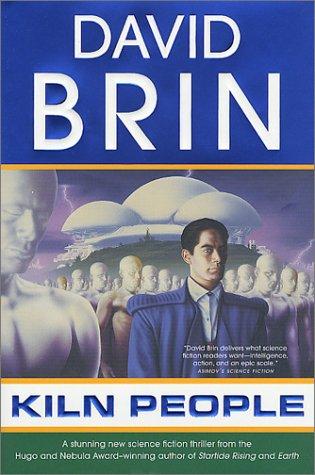
Kiln People
David Brin · 2002
Story engine A private detective creates temporary clay duplicates of himself to investigate several cases at once
Closest Human Vapor connection copied investigators, disposable bodies and evidence carried between selves
Main difference More comic and idea-dense than mutant noir
Best for Readers drawn to copied investigators, disposable bodies and evidence carried between selves.
Albert Morris sends colored duplicates into dangerous assignments and later absorbs their memories. When the copies develop competing priorities, the investigation becomes inseparable from the labor system that treats bodies as short-lived tools.
Brin asks whether continuity belongs to the original, the memories or the version that survives long enough to object. The detective format lets those questions affect testimony and motive immediately. It ranks 1 because its particular balance of investigation, character pressure and setting makes it the strongest overall match.
In ranking terms, Kiln People scores especially well on copied investigators, disposable bodies and evidence carried between selves. That element has causal force because its story engine is specific: A private detective creates temporary clay duplicates of himself to investigate several cases at once. The tradeoff is equally clear: More comic and idea-dense than mutant noir. Readers who prioritize the connection may reasonably place it higher, while readers seeking the screen title’s exact tone should keep the distinction in mind.
Know before you start. Violence, identity death, dense exposition and multiple versions of one narrator.
Which Human Vapor Read-Alike Should You Read First?
Where to start. Start with Kiln People for the best overall match: copied investigators, disposable bodies and evidence carried between selves. Choose The Dispatcher if you want death as a regulated technology and a professional whose body of work resists ordinary law, or The Automatic Detective for a transformed weapon choosing investigation and personhood.
The rest of the ranking is deliberately varied. Readers who prioritize premise over tone should follow the “Closest connection” field, while readers sensitive to intensity should use “Know before you start.” The lower-ranked books are not weaker novels; they simply reproduce fewer parts of Human Vapor at the same time.
The most useful read-alikes do not copy a screen title’s props. They identify the pressure underneath them. In Human Vapor, that pressure comes from science-fiction crime novels in which transformed, copied or replaceable bodies make ordinary evidence unreliable. The strongest novels on this list turn that pressure into structure rather than decoration.
Kiln People offers the closest complete bridge, while The Dispatcher and The Automatic Detective isolate different parts of the appeal. Together, the ten books provide multiple routes into the same reading need without collapsing into franchise tie-ins or a recycled genre canon.