Disney’s live-action Moana opened in theaters on July 10, 2026 and remains one of the summer’s dominant family-film searches. Existing book lists understandably recommend children’s stories about exploration and Polynesian culture. Far less crowded is the adult reading question: novels in which ocean voyaging, island identity, ancestral memory and supernatural ecology carry the same emotional weight.
This list does not treat every pirate book as a Moana read-alike. The sea must be more than a road. It may possess agency, store history, carry gods, shape language or determine how a community understands home. Several books draw from Māori, Hawaiian, Samoan, Filipino, East African, Caribbean or Chinese diasporic traditions. They are not interchangeable versions of one Pacific culture, and the entries identify those differences rather than flattening them into tropical atmosphere.
Higher rankings bring voyage, family duty, ecological or spiritual imbalance and a meaningful return home together. Lower books may stay closer to shore, emphasize romance or approach the sea through urban fantasy. All are by different authors; most are adult, with two cross-age works included because their thematic match is exceptional.
Selection note. Books are ranked for wayfinding, island community, ancestral or divine presence and the sea as an active force. Generic nautical adventure without cultural or ecological depth was excluded.
10
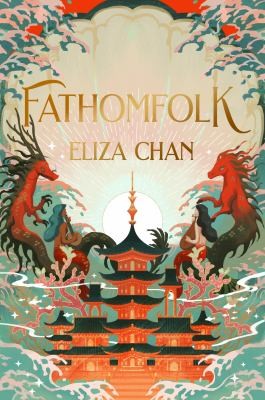
Fathomfolk
Eliza Chan · 2024
Story engine Sea-born peoples live beneath and within a partially flooded city that regulates their movement and power
Closest Moana connection Water identity, displacement and competing forms of resistance connect personal ambition to ecological injustice
Main difference An urban multi-viewpoint fantasy with little open-ocean voyaging
Best for Readers who want East and Southeast Asian–inspired urban fantasy, merfolk, politics and a continuing series.
In Tiankawi, humans dominate towers while fathomfolk from many traditions live under restrictive laws. Half-siren Mira earns a place in the border guard; Nami arrives with radical commitments; sea-witch Cordelia attempts political influence. A festival and escalating unrest expose how the city profits from water peoples while treating them as threats.
Chan imagines the ocean’s children as a diverse political population rather than one mythic species. Assimilation, respectability and direct action divide characters who share experience of exclusion. Flooded infrastructure makes ecological imbalance visible in daily life. It closes the list because the horizon is urban, but its treatment of belonging and the living consequences of damaged waters gives adult Moana readers a fresh direction.
The book takes position #10 because it is the least voyage-centered choice but a valuable political expansion of sea mythology.
Know before you start. The novel includes racism, displacement, state violence, terrorism and multiple dense viewpoints.
9
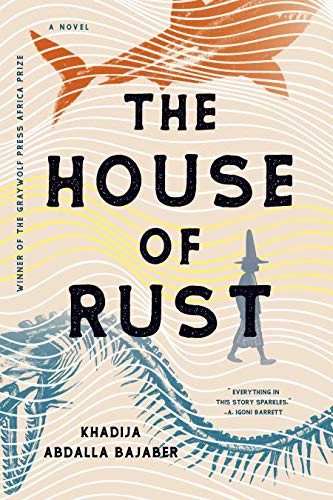
House of Rust
Khadija Abdalla Bajaber · 2021
Story engine A Hadhrami girl sails from Mombasa to find her missing fisherman father with a talking cat and a strange ship
Closest Moana connection A daughter defies protective limits and enters a mythic sea where family duty requires courage and negotiation
Main difference Darker, more surreal and rooted in East African coastal culture rather than the Pacific
Best for Readers who want East African fantasy, lyrical prose, talking animals, grief and a compact standalone.
Aisha’s father has vanished at sea, and the adults around her expect acceptance. She instead builds an impossible voyage with Hamza the cat and encounters speaking creatures, predatory forces and a house grown from bone and story. The search transforms grief into a negotiation with the sea’s own claims.
Bajaber’s ocean is crowded with language and appetite. Aisha cannot navigate it by mastering a neutral map; she must listen to beings whose bargains carry danger. Mombasa’s textures and the father-daughter bond keep the fantasy anchored in home. The quest is more nightmarish than Moana, but the refusal to let fear close the horizon is deeply compatible.
The book takes position #9 because its father-search and mythic voyage are strong, while its dream logic makes it less immediately accessible.
Know before you start. The book includes death, body horror, peril, grief and deliberately surreal transitions.
8
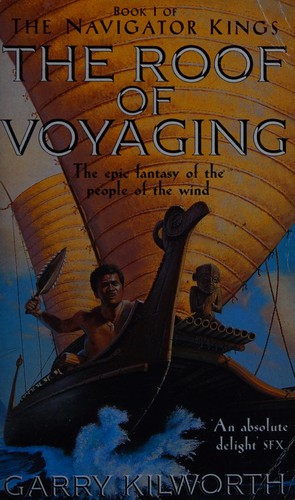
The Roof of Voyaging
Garry Kilworth · 1996
Story engine Polynesian voyagers, gods and rival rulers move through an alternate oceanic world
Closest Moana connection Wayfinding, island politics and divine intervention make the voyage a cultural and cosmological act
Main difference An older epic whose outsider handling of Polynesian material and dense scope require context
Best for Readers who want large-scale voyage fantasy, Polynesian-inspired mythology and a completed older trilogy.
Kupe discovers the Land-of-Mists and becomes entangled in rescue, succession and conflict across a world inspired by Polynesian navigation and mythology. Chiefs, warriors and supernatural powers shape travel among islands, while the sea determines both political reach and spiritual consequence. The novel opens the Navigator Kings trilogy.
Kilworth takes voyaging literally and at epic scale. Canoe travel is not transitional scenery; it is the technology through which worlds meet. Gods influence weather and rule without reducing human decisions to puppetry. The book’s ambition makes it useful for readers wanting more mythic ocean fantasy, though it should not be mistaken for an Indigenous account of the traditions it adapts.
The book takes position #8 because its wayfinding is central, but age, availability and outsider perspective lower the ranking.
Know before you start. The novel includes warfare, colonial-era attitudes and culturally adapted mythology; editions can be difficult to find.
7
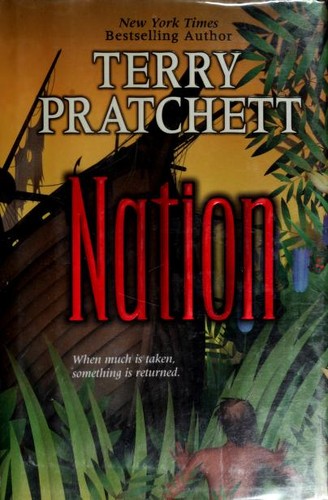
Nation
Terry Pratchett · 2008
Story engine Two young survivors rebuild an island community after a tsunami destroys the world they knew
Closest Moana connection Navigation, ancestry, leadership and practical care create a new home without pretending tradition is fixed
Main difference A cross-age alternate-history novel with no active gods and little conventional magic
Best for Readers who want hopeful survival, island community, skepticism, cultural exchange and a self-contained story.
Mau returns from his initiation voyage to find his island devastated. Daphne, a British girl shipwrecked nearby, is another survivor. As refugees arrive, they build food systems, shelter and governance while confronting disease, raiders and assumptions from both cultures. Mau’s anger at the gods becomes part of deciding what the rebuilt Nation should preserve.
Pratchett’s deepest Moana connection is reconstruction. Mau honors the dead without accepting that every inherited answer still serves the living. Canoes, astronomy and practical knowledge carry as much dignity as formal empire. The novel is funny, furious and tender, treating leadership as work performed for a community rather than a status inherited from one.
The book takes position #7 because it is a superb thematic match, though the catastrophe replaces a supernatural voyage plot.
Know before you start. The novel includes mass death, disaster aftermath, disease, colonial attitudes and violence.
6
The Girl Who Fell Beneath the Sea
Axie Oh · 2022
Story engine A young woman enters the Spirit Realm to confront the Sea God blamed for destructive storms
Closest Moana connection Sacrifice, weather imbalance, ancestral spirits and compassion challenge a community’s inherited explanation
Main difference A Korean-inspired young-adult fantasy with romance and a dreamlike spirit-world quest
Best for Readers who want Korean mythology, spirit courts, a brave heroine, romance and a complete accessible fantasy.
Mina’s village sacrifices a girl each year to calm the Sea God. When her brother’s beloved is chosen, Mina takes her place and descends beneath the water. She finds a god trapped in enchanted sleep and a spirit world governed by curses, alliances and forgotten history. Saving her people requires understanding the wound behind the storms rather than defeating a simple monster.
The structural match to Moana is immediate: a young woman crosses into a divine realm because communal survival has been organized around a mistaken story. Mina’s strength lies in empathy, improvisation and willingness to revise tradition. The romance and YA simplicity distinguish it from the adult entries above, but readers seeking mythic color and a restorative ending will find it especially satisfying.
The book takes position #6 because it offers the most direct plot parallel, tempered by its younger audience and romance emphasis.
Know before you start. The book includes sacrifice, drowning danger, grief and family separation but avoids graphic violence.
5
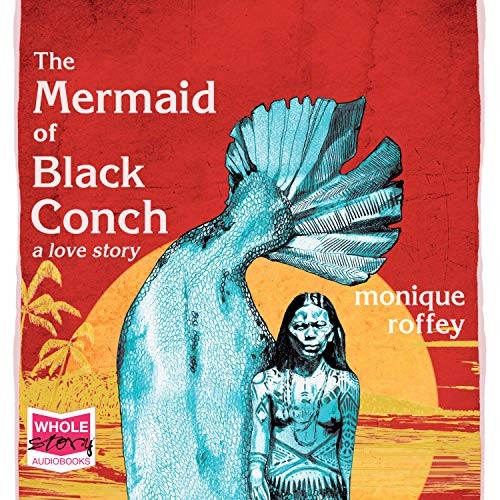
The Mermaid of Black Conch
Monique Roffey · 2020
Story engine A fisherman frees an ancient mermaid captured by tourists near a Caribbean island
Closest Moana connection The sea carries myth, exploitation and transformation into a community already divided by class and history
Main difference An intimate magical-realist love story with tragedy rather than a heroic voyage
Best for Readers who want Caribbean fiction, mermaid mythology, lyrical voices, romance and colonial critique.
David Baptiste encounters Aycayia, a woman cursed centuries earlier to live as a mermaid. After visiting fishermen capture and display her, he rescues and hides her on Black Conch. As Aycayia’s body changes and islanders respond to rumor, the relationship draws attention from people who would possess, punish or study her.
Roffey refuses to make the mermaid a decorative emblem. Aycayia has language, anger and a history of being transformed by other people’s jealousy. The island’s response reveals how tourism and ownership shape modern contact with the sacred. The novel’s sea is both refuge and exile, giving homecoming a painful double meaning.
The book takes position #5 because it ranks fifth because the sea myth is profound even though adventure is secondary.
Know before you start. The story includes captivity, sexual violence in backstory, racism, misogyny, animal harm and a bittersweet ending.
4
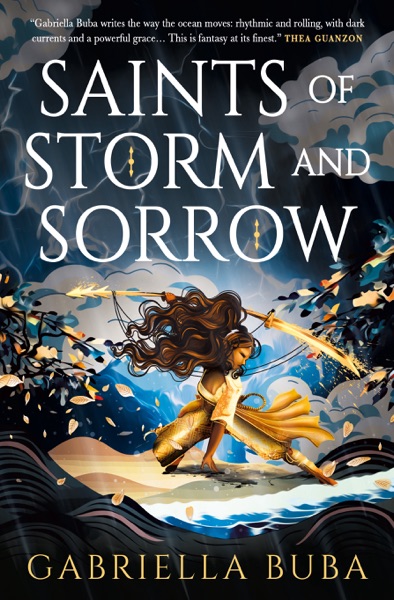
Saints of Storm and Sorrow
Gabriella Buba · 2024
Story engine A bisexual nun hiding storm magic becomes involved with old gods and resistance in a colonized island nation
Closest Moana connection Weather, faith, ancestry and imperial power collide as a woman chooses which sacred obligations deserve loyalty
Main difference A romance-forward adult fantasy with sharper religious conflict and political violence
Best for Readers who want Filipino-inspired fantasy, sapphic and bisexual relationships, angry gods and anti-colonial themes.
María Lunurin serves the new colonial religion while concealing her connection to the storm goddess Anitun Tabu. Her power becomes harder to suppress as anti-colonial resistance grows and relationships pull her between safety, desire and spiritual inheritance. Typhoons and divine anger expose the violence beneath claims of salvation.
Buba makes weather a political and sacred force rather than a convenient battle effect. Lunurin’s conflict resembles restoring Te Fiti through an adult lens: imbalance has been produced by conquest, renaming and severed ritual. The protagonist cannot simply recover an untouched tradition, because faith and love have already entangled her with the colonial world. That complexity earns a high position.
The book takes position #4 because its storm magic and island politics are exceptionally close, though romance shares the center.
Know before you start. The novel includes colonial and religious violence, homophobia, death, storms and sexual content.
3
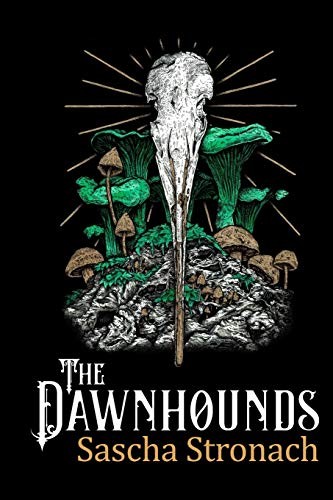
The Dawnhounds
Sascha Stronach · 2022
Story engine A disgraced officer is resurrected by fungal technology in a Māori-inspired city under siege
Closest Moana connection Queer found family, living infrastructure and resistance reconnect a protagonist to powers her society suppressed
Main difference Biopunk urban fantasy with gunfights and revolutionary politics rather than traditional wayfinding
Best for Readers who want Māori-inspired biopunk, pirates, fungal technology, queer community and a continuing series.
Yat Jyn-Hok patrols Hainak after surviving its forced assimilation, then is murdered during an investigation and unexpectedly returns. Fleeing the police, she joins pirates and revolutionaries as an outside threat approaches the city. Fungal buildings, organic weapons and ancestral cultural currents make survival a contest over what kind of community Hainak will become.
Stronach transforms navigation into political reorientation. Yat has learned to police the parts of herself associated with the conquered, and the pirate crew offers a path back through action rather than nostalgia. Water surrounds a city grown from living matter; ecological strangeness and colonial power are inseparable. The tone is much harsher than Moana, but its return to suppressed identity is powerful.
The book takes position #3 because it is the best adult speculative choice for queer, anti-colonial found-family energy.
Know before you start. The book includes police violence, colonial oppression, murder, body horror and dense invented language.
2
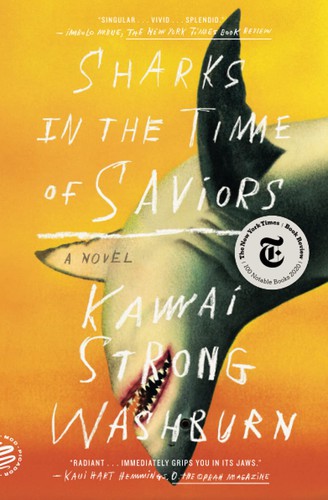
Sharks in the Time of Saviors
Kawai Strong Washburn · 2020
Story engine A Hawaiian family believes its younger son was marked by the gods after sharks return him unharmed
Closest Moana connection Divine possibility, island belonging and family expectation follow siblings who leave home and struggle to return
Main difference Contemporary literary magical realism with addiction, poverty and fractured adult lives
Best for Readers who want literary family sagas, Hawai‘i, contemporary gods, grief and multiple first-person voices.
When seven-year-old Nainoa Flores falls from a boat, sharks carry him back to his mother. The apparent miracle and Noa’s later healing ability reshape the family’s hopes. Noa, Kaui and Dean leave Hawai‘i for different futures on the mainland, while their parents endure economic pressure at home. Gifts and ambition pull the siblings away before loss forces them to reconsider what return means.
Washburn places wonder inside labor, debt and diaspora. The gods do not provide a clean destiny, and being chosen can burden an entire family. Hawai‘i remains a living home rather than an exotic backdrop, while the siblings’ departures complicate any easy command to follow one’s calling. The novel matches Moana most strongly in its conviction that identity becomes legible through relationship to place.
The book takes position #2 because its adult family depth outweighs the fact that most journeys occur by plane rather than canoe.
Know before you start. The novel includes addiction, suicide, death, poverty, racism and family estrangement.
1
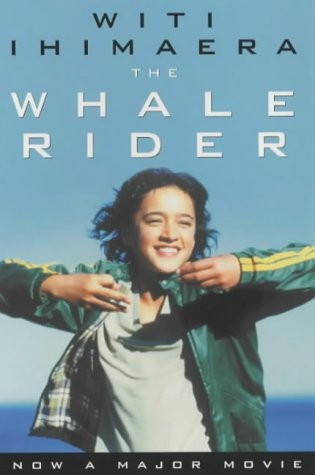
The Whale Rider
Witi Ihimaera · 1987
Story engine A Māori girl forms a profound bond with whales while her great-grandfather awaits a male heir
Closest Moana connection Ancestral calling, ocean kinship and contested leadership converge around a girl her community initially overlooks
Main difference A short New Zealand family novel rather than a voyage quest
Best for Readers who want Māori storytelling, whales, family leadership, spiritual continuity and a short classic.
Kahu is born into a line that traces leadership to the whale rider Paikea, but her great-grandfather Koro believes succession must pass to a boy. As whales strand themselves near the community, Kahu’s relationship with them reveals a spiritual authority older than Koro’s expectations. The story moves among family members and across generations of memory.
Ihimaera’s sea is genealogy, living relation and test. Kahu does not conquer it; she recognizes and is recognized by it. Her conflict with Koro echoes Moana’s tension between inherited responsibility and a leader’s fear of change, while the whales make ecological crisis inseparable from cultural continuity. The novel’s brevity and communal voice give it the force of a modern legend.
The book takes position #1 because it is the most precise emotional and cultural match without imitating Moana’s plot.
Know before you start. The book includes a whale stranding, family rejection, grief and animal distress.