The Paper Season 2 has a timely, unusually specific hook for readers. Peacock’s The Paper returns September 9, 2026, continuing its mockumentary portrait of the Toledo Truth-Teller and the underqualified, overstretched staff attempting to revive a historic Midwestern newspaper.
The books below focus on fiction about failing newspapers, damaged reporters and newsroom communities where the work remains meaningful even as the business model collapses. This is not a generic genre starter list. Each selection has been chosen because the mechanism connecting character, setting and conflict resembles the appeal of The Paper Season 2, even when the period, tone or scale changes.
The ranking favors thematic usefulness over fame. The ranking favors newsroom ensemble dynamics, economic precarity, editorial conflict, local reporting and comedy produced by people trying to preserve standards in visibly absurd conditions. All ten ranked books come from different authors, and none has appeared as a ranked selection in the earlier Website lists.
Selection note. The ranking favors newsroom ensemble dynamics, economic precarity, editorial conflict, local reporting and comedy produced by people trying to preserve standards in visibly absurd conditions. The books are not ranked by sales, adaptation potential or superficial resemblance.
10
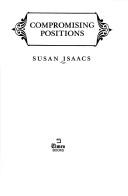
Compromising Positions
Susan Isaacs · 1978
Story engine A former journalist investigates the murder of a dentist in suburban Long Island
Closest The Paper Season 2 connection an underestimated observer rediscovering investigative appetite through local scandal
Main difference A domestic comic mystery largely outside a formal newsroom
Best for Readers drawn to an underestimated observer rediscovering investigative appetite through local scandal.
Judith Singer is constrained by marriage, motherhood and suburban expectations when a notorious dentist is killed. Curiosity becomes reporting practice as she interviews neighbors and follows contradictions the police overlook.
Isaacs shows the journalist’s habit surviving after the job disappears. Judith’s humor comes from translating apparently respectable domestic life into motive, opportunity and sourced information. It ranks 10 because its particular balance of investigation, character pressure and setting makes it a distinct rather than interchangeable recommendation.
In ranking terms, Compromising Positions scores especially well on an underestimated observer rediscovering investigative appetite through local scandal. That element has causal force because its story engine is specific: A former journalist investigates the murder of a dentist in suburban Long Island. The tradeoff is equally clear: A domestic comic mystery largely outside a formal newsroom. Readers who prioritize the connection may reasonably place it higher, while readers seeking the screen title’s exact tone should keep the distinction in mind.
Know before you start. Murder, adultery, sexual discussion and dated gender expectations.
9
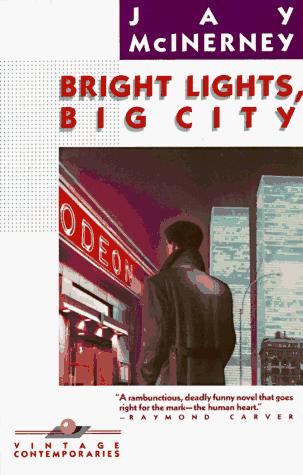
Bright Lights, Big City
Jay McInerney · 1984
Story engine A magazine fact-checker drifts through nightlife while his job and marriage disintegrate
Closest The Paper Season 2 connection publishing routine, professional self-sabotage and comic desperation beneath prestige
Main difference Second-person literary fiction about a magazine, not reporting
Best for Readers drawn to publishing routine, professional self-sabotage and comic desperation beneath prestige.
The unnamed narrator works at a prestigious New York magazine but spends his nights using cocaine and inventing versions of the life he has lost. Missed deadlines gradually expose a deeper refusal to grieve.
Its workplace is memorable because fact-checking contrasts with a narrator committed to falsifying himself. The media institution is not failing financially; he is failing inside it, which makes this a useful reverse image of The Paper. It ranks 9 because its particular balance of investigation, character pressure and setting makes it a distinct rather than interchangeable recommendation.
In ranking terms, Bright Lights, Big City scores especially well on publishing routine, professional self-sabotage and comic desperation beneath prestige. That element has causal force because its story engine is specific: A magazine fact-checker drifts through nightlife while his job and marriage disintegrate. The tradeoff is equally clear: Second-person literary fiction about a magazine, not reporting. Readers who prioritize the connection may reasonably place it higher, while readers seeking the screen title’s exact tone should keep the distinction in mind.
Know before you start. Drug abuse, grief, infidelity and self-destructive behavior.
8
The Last Scoop
R. G. Belsky · 2020
Story engine A television journalist pursues a cold case linked to a dying reporter’s final clue
Closest The Paper Season 2 connection professional obsession, endangered sources and a newsroom veteran refusing to let a story vanish
Main difference Broadcast journalism rather than a print newsroom
Best for Readers drawn to professional obsession, endangered sources and a newsroom veteran refusing to let a story vanish.
Clare Carlson receives information from an old colleague shortly before his death. The clue revives questions about a missing child and forces Clare to balance editorial pressure with secrets from her own past.
The mystery respects reporting as cumulative labor. One journalist’s unfinished work becomes another’s obligation, giving the title’s last scoop an ethical meaning beyond career competition. It ranks 8 because its particular balance of investigation, character pressure and setting makes it a distinct rather than interchangeable recommendation.
In ranking terms, One Last Scoop scores especially well on professional obsession, endangered sources and a newsroom veteran refusing to let a story vanish. That element has causal force because its story engine is specific: A television journalist pursues a cold case linked to a dying reporter’s final clue. The tradeoff is equally clear: Broadcast journalism rather than a print newsroom. Readers who prioritize the connection may reasonably place it higher, while readers seeking the screen title’s exact tone should keep the distinction in mind.
Know before you start. Child abduction, murder, family secrets and media intrusion.
7
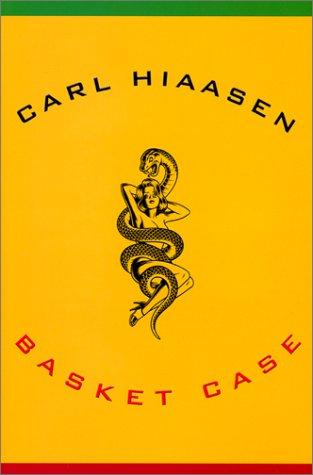
Basket Case
Carl Hiaasen · 2002
Story engine A demoted obituary writer investigates the suspicious death of a rock star
Closest The Paper Season 2 connection a sidelined journalist, newsroom politics and a story management wants buried
Main difference A Florida crime caper with more plotting and less institutional decline
Best for Readers drawn to a sidelined journalist, newsroom politics and a story management wants buried.
Jack Tagger has been banished to obituaries after insulting his publisher. A famous musician’s death gives him a possible route back to serious reporting, provided he can work around editors, heirs and his own obsession with mortality.
Hiaasen turns the obituary desk into an investigative advantage. Jack knows that institutions reveal their values through whom they remember, while corporate ownership treats both the dead and employees as interchangeable content. It ranks 7 because its particular balance of investigation, character pressure and setting makes it a distinct rather than interchangeable recommendation.
In ranking terms, Basket Case scores especially well on a sidelined journalist, newsroom politics and a story management wants buried. That element has causal force because its story engine is specific: A demoted obituary writer investigates the suspicious death of a rock star. The tradeoff is equally clear: A Florida crime caper with more plotting and less institutional decline. Readers who prioritize the connection may reasonably place it higher, while readers seeking the screen title’s exact tone should keep the distinction in mind.
Know before you start. Murder, sexual humor, workplace hostility and aging anxiety.
6
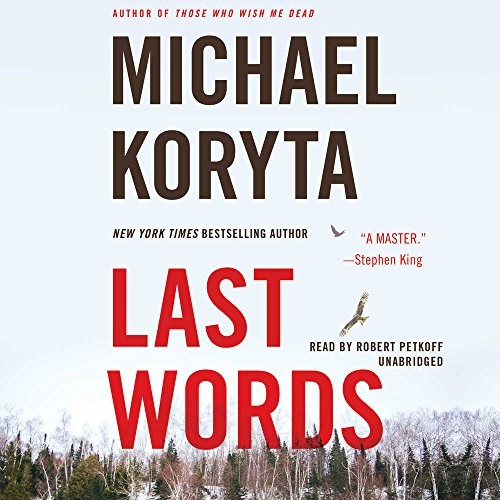
Last Words
Michael Koryta · 2015
Story engine A disgraced reporter investigates a murder and a cave rescue in a dying Indiana town
Closest The Paper Season 2 connection small-town reporting, damaged credibility and an investigation tied to local survival
Main difference A dark crime novel with little workplace comedy
Best for Readers drawn to small-town reporting, damaged credibility and an investigation tied to local survival.
Mark Novak works for an organization that studies death when he is sent to Garrison, a town economically dependent on a vast cave system. A rescuer suspected in a girl’s murder may also be the only person who understands the cave.
The novel makes credibility physical: Mark must enter spaces and relationships where his prior judgment follows him. Reporting becomes a way to test a town’s preferred story before tourism and grief harden it into fact. It ranks 6 because its particular balance of investigation, character pressure and setting makes it a distinct rather than interchangeable recommendation.
In ranking terms, Last Words scores especially well on small-town reporting, damaged credibility and an investigation tied to local survival. That element has causal force because its story engine is specific: A disgraced reporter investigates a murder and a cave rescue in a dying Indiana town. The tradeoff is equally clear: A dark crime novel with little workplace comedy. Readers who prioritize the connection may reasonably place it higher, while readers seeking the screen title’s exact tone should keep the distinction in mind.
Know before you start. Child murder, caves, grief, violence and claustrophobia.
5
The Spoiler
Annalena McAfee · 2011
Story engine A veteran foreign correspondent and an ambitious young interviewer collide as print culture contracts
Closest The Paper Season 2 connection generational newsroom rivalry, reputation and the unstable value of experience
Main difference More literary duel than ensemble workplace comedy
Best for Readers drawn to generational newsroom rivalry, reputation and the unstable value of experience.
Honor Tait has survived war reporting and withdrawn from public life. Tamara Sim pursues a career-making profile, certain that access to Honor can convert curiosity into status.
McAfee refuses to make either woman a simple villain. The old guard’s mythology hides damage and arrogance; the new economy rewards speed, branding and intrusion. Their conflict turns the interview into a fight over who owns a life story. It ranks 5 because its particular balance of investigation, character pressure and setting makes it a distinct rather than interchangeable recommendation.
In ranking terms, The Spoiler scores especially well on generational newsroom rivalry, reputation and the unstable value of experience. That element has causal force because its story engine is specific: A veteran foreign correspondent and an ambitious young interviewer collide as print culture contracts. The tradeoff is equally clear: More literary duel than ensemble workplace comedy. Readers who prioritize the connection may reasonably place it higher, while readers seeking the screen title’s exact tone should keep the distinction in mind.
Know before you start. War memories, professional betrayal, alcohol and sexual material.
4
The Financial Lives of the Poets
Jess Walter · 2009
Story engine A laid-off business reporter attempts a desperate scheme after his digital venture fails
Closest The Paper Season 2 connection media collapse, professional humiliation and comic panic under economic pressure
Main difference Focused on one former reporter outside the newsroom
Best for Readers drawn to media collapse, professional humiliation and comic panic under economic pressure.
Matt Prior has exhausted his savings on a website combining financial advice and poetry. Facing foreclosure and marital collapse, he sees drug dealing as an emergency business plan.
Walter captures the specific madness of being told to reinvent after an industry has discarded your expertise. Matt keeps narrating catastrophe in market language, turning personal failure into a dark report on recession-era optimism. It ranks 4 because its particular balance of investigation, character pressure and setting makes it a distinct rather than interchangeable recommendation.
In ranking terms, The Financial Lives of the Poets scores especially well on media collapse, professional humiliation and comic panic under economic pressure. That element has causal force because its story engine is specific: A laid-off business reporter attempts a desperate scheme after his digital venture fails. The tradeoff is equally clear: Focused on one former reporter outside the newsroom. Readers who prioritize the connection may reasonably place it higher, while readers seeking the screen title’s exact tone should keep the distinction in mind.
Know before you start. Drug use, infidelity, financial distress and suicidal thoughts.
3
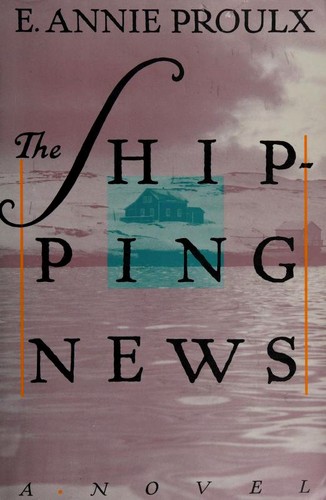
The Shipping News
Annie Proulx · 1993
Story engine A damaged man joins a small Newfoundland newspaper and slowly becomes part of the community he reports
Closest The Paper Season 2 connection local journalism, coastal life and personal rebuilding through unglamorous work
Main difference A lyrical family novel with less newsroom farce
Best for Readers drawn to local journalism, coastal life and personal rebuilding through unglamorous work.
Quoyle returns with his daughters to his ancestral Newfoundland and takes a job covering car wrecks and shipping arrivals. Repetitive assignments introduce him to a place whose harsh stories reshape his understanding of family.
The paper serves as civic memory rather than media brand. Quoyle’s growth comes from learning to notice accurately, making routine local coverage an antidote to the distortions he inherited about himself. It ranks 3 because its particular balance of investigation, character pressure and setting makes it a distinct rather than interchangeable recommendation.
In ranking terms, The Shipping News scores especially well on local journalism, coastal life and personal rebuilding through unglamorous work. That element has causal force because its story engine is specific: A damaged man joins a small Newfoundland newspaper and slowly becomes part of the community he reports. The tradeoff is equally clear: A lyrical family novel with less newsroom farce. Readers who prioritize the connection may reasonably place it higher, while readers seeking the screen title’s exact tone should keep the distinction in mind.
Know before you start. Abuse, suicide, bereavement, child danger and harsh weather.
2
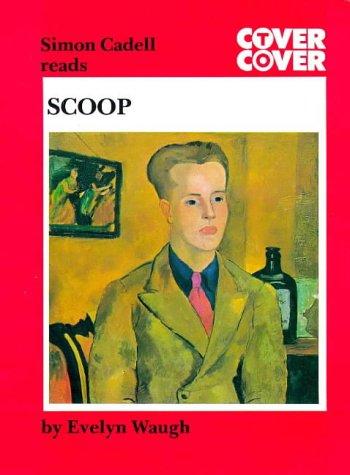
Scoop
Evelyn Waugh · 1938
Story engine A nature columnist is accidentally sent abroad as a war correspondent
Closest The Paper Season 2 connection institutional incompetence, status games and journalism shaped by whoever is available
Main difference A broad colonial-era satire with dated attitudes
Best for Readers drawn to institutional incompetence, status games and journalism shaped by whoever is available.
William Boot is confused with a fashionable novelist and dispatched by the Daily Beast to cover conflict in the fictional African state of Ishmaelia. Rival reporters manufacture certainty faster than events can justify it.
Waugh’s newsroom machinery remains brutally recognizable: errors become assignments, prestige substitutes for knowledge and management rewards the appearance of access. Its historical prejudices require critical distance. It ranks 2 because its particular balance of investigation, character pressure and setting makes it a distinct rather than interchangeable recommendation.
In ranking terms, Scoop scores especially well on institutional incompetence, status games and journalism shaped by whoever is available. That element has causal force because its story engine is specific: A nature columnist is accidentally sent abroad as a war correspondent. The tradeoff is equally clear: A broad colonial-era satire with dated attitudes. Readers who prioritize the connection may reasonably place it higher, while readers seeking the screen title’s exact tone should keep the distinction in mind.
Know before you start. Colonial stereotypes, racism, war and period sexism.
1
The Imperfectionists
Tom Rachman · 2010
Story engine Interlinked stories follow the staff and readers of a declining English-language newspaper in Rome
Closest The Paper Season 2 connection an ensemble newsroom, collapsing circulation and people whose identities outlast their jobs
Main difference More melancholy and cosmopolitan than mockumentary comedy
Best for Readers drawn to an ensemble newsroom, collapsing circulation and people whose identities outlast their jobs.
Copy editors, correspondents, executives and readers move through separate but connected stories while short historical interludes trace the paper’s founding and decline.
Rachman understands a newspaper as a collection of private imperfections briefly organized into public authority. The jokes about corrections and hierarchy gradually give way to grief over a workplace disappearing before its staff can imagine alternatives. It ranks 1 because its particular balance of investigation, character pressure and setting makes it the strongest overall match.
In ranking terms, The Imperfectionists scores especially well on an ensemble newsroom, collapsing circulation and people whose identities outlast their jobs. That element has causal force because its story engine is specific: Interlinked stories follow the staff and readers of a declining English-language newspaper in Rome. The tradeoff is equally clear: More melancholy and cosmopolitan than mockumentary comedy. Readers who prioritize the connection may reasonably place it higher, while readers seeking the screen title’s exact tone should keep the distinction in mind.
Know before you start. Suicide, bereavement, sexual content and cruelty mixed with dry humor.
Which The Paper Season 2 Read-Alike Should You Read First?
Where to start. Start with The Imperfectionists for the best overall match: an ensemble newsroom, collapsing circulation and people whose identities outlast their jobs. Choose Scoop if you want institutional incompetence, status games and journalism shaped by whoever is available, or The Shipping News for local journalism, coastal life and personal rebuilding through unglamorous work.
The rest of the ranking is deliberately varied. Readers who prioritize premise over tone should follow the “Closest connection” field, while readers sensitive to intensity should use “Know before you start.” The lower-ranked books are not weaker novels; they simply reproduce fewer parts of The Paper Season 2 at the same time.
The most useful read-alikes do not copy a screen title’s props. They identify the pressure underneath them. In The Paper Season 2, that pressure comes from fiction about failing newspapers, damaged reporters and newsroom communities where the work remains meaningful even as the business model collapses. The strongest novels on this list turn that pressure into structure rather than decoration.
The Imperfectionists offers the closest complete bridge, while Scoop and The Shipping News isolate different parts of the appeal. Together, the ten books provide multiple routes into the same reading need without collapsing into franchise tie-ins or a recycled genre canon.