HBO Max's The Pitt turns a hospital shift into narrative pressure. Each episode covers roughly one hour in the emergency department of Pittsburgh Trauma Medical Center as Dr. Michael “Robby” Robinavitch, senior residents, medical students, nurses, and support staff confront a waiting room that never empties. The series finds suspense in triage, handoffs, shortages, difficult families, and the split second in which exhaustion becomes a clinical fact. Its second season premiered in January 2026, and a third season was ordered before that debut.
Medical fiction often gravitates toward spectacular diagnoses or villainous conspiracies. The books closest to The Pitt understand that the ordinary system is dramatic enough. A hospital compresses class, grief, bodily vulnerability, institutional policy, and professional hierarchy into spaces where decisions cannot be postponed. Competence is thrilling, but competence under impossible conditions is also dangerous.
This ranking favors novels centered on shifts, trainees, team dynamics, ethical pressure, and the cumulative cost of care. Several are thrillers, while others are historical or literary. All treat medicine as work performed by fallible people inside institutions that can save a life and fail a worker in the same hour.
Selection note. The ranking rewards hospital immediacy, team pressure, medical ethics, and workers carrying one decision into the next room. Diagnostic puzzles matter less than whether the book captures care as a continuous human and institutional practice.
10
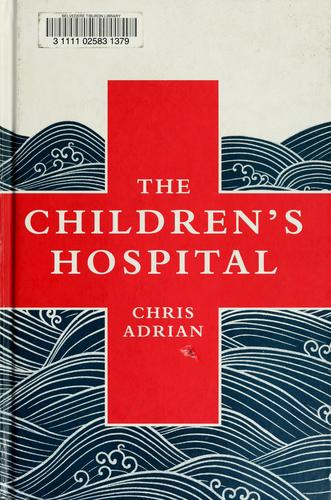
The Children's Hospital
Chris Adrian · 2006
Hospital crisis A pediatric hospital remains afloat after a flood covers the world, leaving patients and staff inside an impossible ark
Closest The Pitt connection Clinical routine continues through catastrophe because sick children do not become abstractions when the world changes
Main difference An apocalyptic, theological epic with angels and surreal digressions
Best for Readers who want literary apocalypse, pediatric medicine, theological speculation, dark humor, and an ambitious novel that resists ordinary categories.
Medical student Jemma Claflin is working at the hospital when the waters rise. The building becomes a self-contained world with its own supplies, conflicts, births, illnesses, and mysterious guardians. Adrian combines closely observed medicine with biblical scale, repeatedly moving between bodily detail and cosmic uncertainty.
It ranks tenth because its length and metaphysics carry it far from The Pitt's realism. The connection is its insistence that care remains procedural even at the end of everything. Charts, rounds, relationships, and failures persist because medicine is not suspended until a crisis ends; it is the structure people build inside the crisis.
Know before you start. The book includes child illness and death, pregnancy loss, sexual trauma, family abuse, mass death, graphic medical detail, and religious imagery.
9
The Death Committee
Noah Gordon · 1969
Hospital crisis Physicians at a Boston teaching hospital examine patient deaths while their own careers and relationships remain under pressure
Closest The Pitt connection Reviewing a bad outcome means separating unavoidable tragedy from error, hierarchy, and the limits of exhausted judgment
Main difference A broad mid-century medical drama following several doctors over time
Best for Readers interested in teaching hospitals, mortality review, physician development, medical history, and old-school ensemble drama.
Gordon centers a hospital committee that evaluates deaths and the physicians connected to them. The process is meant to improve care, yet professional rivalry, pride, fear, and institutional reputation shape what can be admitted. Beyond the meetings, the doctors' personal lives reveal how little distance exists between medical authority and human vulnerability.
The novel ranks ninth because some attitudes and melodrama belong clearly to its period. Its central idea remains current: a hospital must learn from failure without turning every review into either punishment or self-protection. The Pitt viewers will recognize the dread of carrying one case into the next obligation.
Know before you start. The novel contains dated views of gender, race, sexuality, and disability alongside death, illness, infidelity, and professional misconduct.
8

Cutting for Stone
Abraham Verghese · 2009
Hospital crisis Twin brothers grow up inside an Addis Ababa mission hospital where family history and surgical vocation become inseparable
Closest The Pitt connection Medicine is learned through bodies, mentors, repetition, error, and the relationships that make technical skill meaningful
Main difference A multigenerational family epic spanning Ethiopia and the United States
Best for Readers who want a large family saga, surgical detail, Ethiopia, exile, mentorship, and medicine intertwined with identity.
Marion and Shiva Stone are born after the death of their mother, a nun and nurse, and the disappearance of their surgeon father. Raised by physicians at Missing Hospital, the twins develop different relationships to medicine and to each other. Political upheaval eventually carries Marion to an American hospital and toward the family rupture he has tried to escape.
Verghese writes clinical work with unusual tactile authority. Operations are neither decorative set pieces nor proof of genius; they are accumulated knowledge performed among people with histories. It ranks eighth because its canvas is much wider than one shift, but its deepest respect is reserved for attention at the bedside.
Know before you start. The novel includes maternal death, sexual violence, political violence, betrayal, serious illness, surgery, grief, and complicated depictions of disability.
7
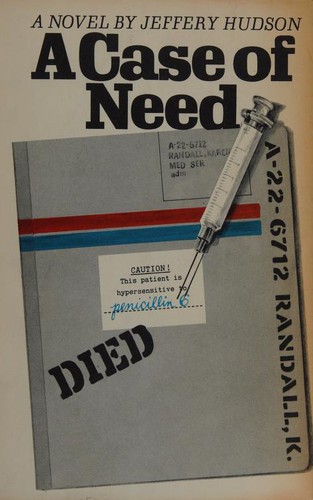
A Case of Need
Michael Crichton · 1968
Hospital crisis A pathologist investigates a young woman's death after an illegal abortion while a colleague faces a murder charge
Closest The Pitt connection Clinical evidence collides with institutional fear, legal exposure, and families demanding a clear person to blame
Main difference A mystery-thriller shaped by the abortion laws and medical culture of the 1960s
Best for Readers who want a compact medical mystery, pathology, hospital politics, forensic reasoning, and a historically significant treatment of abortion access.
Dr. John Berry doubts that his obstetrician friend performed the procedure that killed Karen Randall, the daughter of a powerful medical family. His investigation moves through hospital departments, private records, professional secrets, and a legal system eager for a simple account of a complicated death.
Crichton's early novel shows how medicine becomes defensive when law and reputation enter the room. Berry reads bodies and institutions, discovering that both can conceal evidence. It ranks seventh because some science and attitudes are dated, yet its urgency about clinicians working inside a compromised system remains strong.
Know before you start. The book contains abortion, death, racism, sexual coercion, drug use, dated medical information, and period language about women and sexuality.
6
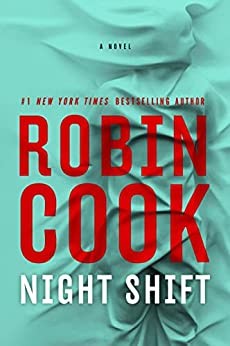
Night Shift
Robin Cook · 2022
Hospital crisis Suspicious deaths during overnight care suggest that someone inside a major hospital is exploiting patients' vulnerability
Closest The Pitt connection Night staffing, fragmented responsibility, and constant urgency create blind spots that routine daytime oversight may miss
Main difference A conspiracy-driven medical thriller featuring recurring characters from Cook's larger series
Best for Readers who want an accessible medical thriller, forensic medicine, hospital systems, overnight danger, and a clearly escalating investigation.
Medical examiner Laurie Montgomery becomes concerned when a colleague dies after a routine admission to Manhattan Memorial. Her husband, Jack Stapleton, investigates patterns among apparently natural deaths and encounters institutional resistance. The hospital's size makes concealment possible without requiring everyone inside it to be corrupt.
Cook uses a thriller mechanism to expose the difficulty of recognizing intent inside ordinary mortality. A busy system expects bad outcomes, especially among vulnerable patients, and that expectation can protect a predator. It ranks sixth for readers who want The Pitt's hospital pressure translated into a faster mystery.
Know before you start. The novel includes patient deaths, murder, elder vulnerability, medical procedures, stalking, and some continuity with earlier Jack Stapleton and Laurie Montgomery books.
5
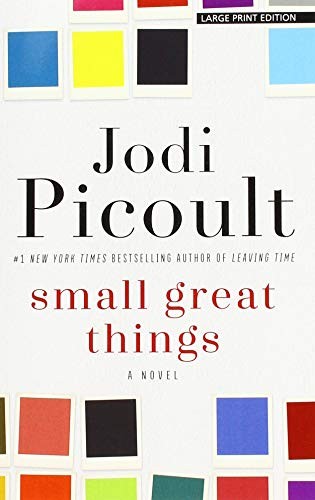
Small Great Things
Jodi Picoult · 2016
Hospital crisis A veteran labor-and-delivery nurse is ordered not to touch a white supremacist couple's newborn and is blamed after the baby dies
Closest The Pitt connection Policy, bias, hierarchy, and split-second clinical judgment converge in a case that cannot be understood from the chart alone
Main difference A courtroom and social-issue novel told through three perspectives
Best for Readers who want courtroom drama, nursing ethics, accessible social fiction, multiple viewpoints, and explicit discussion of structural racism.
Ruth Jefferson has spent twenty years as a nurse when a patient's parents demand that she be removed from their child's care because she is Black. The hospital accommodates the request. During an emergency Ruth must decide whether to follow the restriction, and the child's death leads to a criminal case involving Ruth, her public defender, and the baby's father.
Picoult makes institutional neutrality part of the conflict. The hospital can describe appeasing racism as risk management while leaving the nurse to absorb contradictory duties. It ranks fifth because the trial eventually dominates, but the initiating medical crisis closely resembles The Pitt at its strongest: no decision occurs outside power.
Know before you start. The novel includes infant death, racism and slurs, white supremacy, violence, suicide references, medical distress, and perspectives designed to be disturbing.
4
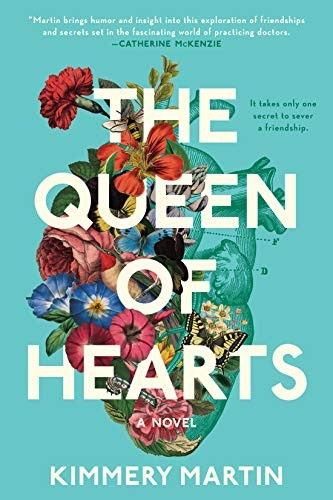
The Queen of Hearts
Kimmery Martin · 2018
Hospital crisis Two physician friends confront a secret from residency when a former colleague reenters their lives
Closest The Pitt connection Training creates bonds through sleep deprivation and shared responsibility, then leaves people carrying outcomes they never fully discussed
Main difference Friendship, marriage, and buried history receive as much attention as present-day clinical work
Best for Readers who want female friendship, physician protagonists, residency flashbacks, domestic drama, medical detail, and a gradually revealed secret.
Zadie Anson and Emma Colley are successful doctors, mothers, and longtime best friends in Charlotte. The arrival of a surgeon from their residency years reopens questions surrounding a patient's death and the choices that followed. Alternating timelines show how medical training intensifies friendship while making honest disclosure feel professionally dangerous.
Martin, herself a physician, gives clinical scenes a lived-in mixture of seriousness and absurdity. Residents eat, joke, desire, and make mistakes amid work that does not permit ordinary fatigue. It ranks fourth because the central secret is melodramatic, but its account of medical friendship and deferred guilt feels recognizably human.
Know before you start. The novel includes patient death, infidelity, substance use, medical error, grief, sexual material, and strained marriages.
3
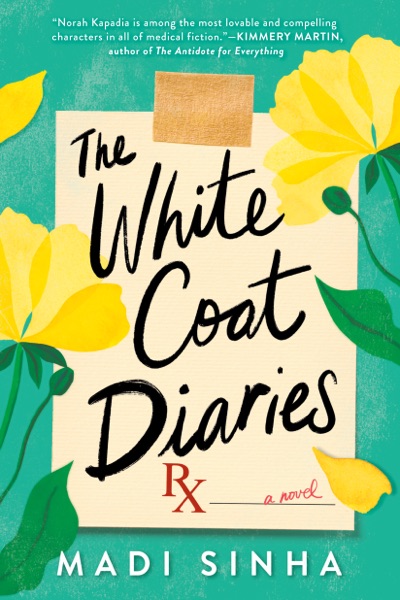
The White Coat Diaries
Madi Sinha · 2020
Hospital crisis A new resident enters a punishing training program and becomes implicated in the response to a fatal mistake
Closest The Pitt connection Sleep deprivation, supervision gaps, coded hierarchy, and fear of looking weak shape decisions made by young clinicians
Main difference A coming-of-age medical drama concentrates on one intern's first year
Best for Readers who want a young woman doctor, residency culture, South Asian family expectations, medical romance, ethical conflict, and accessible pacing.
Norah Kapadia arrives at Philadelphia General determined to become the physician her family and mentors expect. Long shifts, difficult senior doctors, romance, and the pressure to project competence erode the boundaries she thought would protect patients and herself. A death forces her to confront how institutions distribute responsibility when trainees fail inside unsafe conditions.
Sinha captures the strange double status of residents: legally and emotionally responsible, yet dependent on supervisors whose approval controls their future. It ranks third because it offers the most direct bridge from The Pitt's students and residents to a full novel about learning under pressure.
Know before you start. The book includes patient death, medical error, cover-up pressure, sleep deprivation, sexual harassment, grief, and workplace bullying.
2
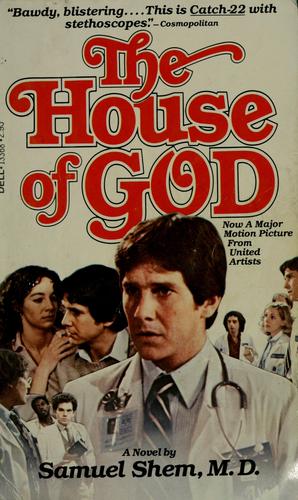
The House of God
Samuel Shem · 1978
Hospital crisis Interns at a prestigious hospital survive a year of overwork by adopting cynical rules that protect them while dehumanizing patients
Closest The Pitt connection Trainees use jokes, shortcuts, mentorship, and emotional distance to remain functional inside a system that treats exhaustion as education
Main difference A bawdy, furious satire whose language and attitudes can be as damaging as the culture it criticizes
Best for Readers who want a landmark medical satire, internship culture, black humor, anger at hospital hierarchy, and a book that shaped physician discourse.
Roy Basch begins internship with idealism and quickly encounters impossible hours, elderly patients with complex needs, indifferent hierarchy, and the charismatic Fat Man's unofficial laws. Those rules sometimes expose unnecessary treatment and sometimes turn vulnerable people into categories. Roy's survival comes at a serious psychological cost.
The novel influenced generations of medical workers because it named abuses official accounts minimized. It also requires critical distance: misogyny and objectification permeate the narration. It ranks second for its unmatched portrait of institutional burnout and the moral injury created when compassion becomes operationally unaffordable.
Know before you start. The novel includes pervasive misogyny, racist language, sexual exploitation, suicide, patient dehumanization, death, substance use, and graphic medical material.
1
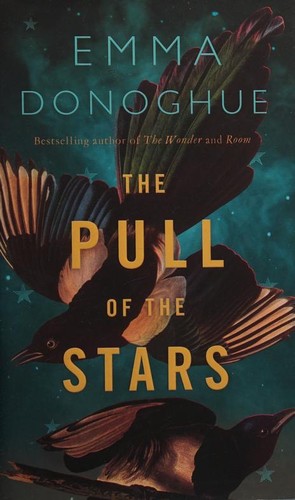
The Pull of the Stars
Emma Donoghue · 2020
Hospital crisis Three days in a Dublin maternity ward during the 1918 influenza pandemic and the final year of World War I
Closest The Pitt connection One overcrowded unit demands continuous triage, teamwork, improvisation, and emotional recovery before the next patient arrives
Main difference A historical maternity ward staffed largely by women with limited resources and authority
Best for Readers who want the closest shift-based match, historical medicine, nursing, queer connection, pandemic pressure, and vivid but compassionate birth scenes.
Nurse Julia Power works in a tiny ward for pregnant women infected with influenza. With a doctor moving among emergencies and the hospital overwhelmed, Julia is assisted by Bridie Sweeney, a young volunteer from a religious institution. Birth, infection, politics, and intimacy compress into a sequence of decisions that allow almost no rest.
It ranks first because Donoghue creates the same momentum that makes The Pitt distinctive. Time is clinical and emotional at once: a pulse must be checked, a bed found, a death absorbed, and another labor managed. Expertise appears not as invulnerability but as attention maintained despite grief. The narrow ward opens onto an entire unequal society without losing sight of the next person who needs help.
Know before you start. The novel includes maternal and infant death, pandemic illness, difficult childbirth, institutional abuse, wartime trauma, poverty, and graphic medical detail.
Which Medical Novel Should You Read First?
Where to start. Choose The Pull of the Stars for the closest structural match to The Pitt. Its narrow unit, compressed time, constant triage, and emotional accumulation reproduce the feeling of a shift that will not allow its workers to stop. Read The White Coat Diaries if the students and residents are your favorite part of the series.
Pick The House of God for the influential, brutally cynical account of training culture, but approach its period language carefully. The Queen of Hearts is warmer and more relationship-driven. Small Great Things moves from a hospital crisis into a courtroom examination of race and institutional responsibility.
For a thriller, choose Night Shift or A Case of Need. Cutting for Stone is the richest family epic, The Death Committee focuses on review after bad outcomes, and The Children's Hospital is the boldest speculative choice.
Hospital stories become most honest when they reject the fantasy that every patient receives a fresh, rested hero. Care is continuous, and the worker entering one room carries the previous room along. These novels find drama in that accumulation: the joke used as armor, the order questioned too late, the colleague whose competence becomes the only available safety net.
The Pull of the Stars ranks first because its three days feel both historically specific and immediately recognizable. Julia, Bridie, and their patients inhabit a system under extreme strain, yet the novel never reduces them to symbols of crisis. Like The Pitt, it knows that institutional failure is experienced one body, one decision, and one unfinished shift at a time.