Pixar’s Toy Story 5 opened on June 19, 2026 and remains one of the year’s biggest theatrical searches. Existing book lists for the franchise are almost entirely aimed at young children and stop at the basic delight of toys coming alive. The lower-competition adult opportunity lies in the franchise’s more unsettling question: what happens to a created thing when love changes, the owner leaves, or a newer technology makes its purpose obsolete?
This cross-age list includes adult novels, dark fantasies and a few children’s classics whose treatment of abandonment is sophisticated enough for grown readers. Literal toys rank alongside robots, dolls and discarded objects when the emotional structure matches: consciousness tied to use, identity formed through ownership, or survival after the person who gave an object meaning has gone. The tonal range runs from tender to grotesque.
Higher entries unite living objects with loss, replacement and communities formed beyond owners. Lower ones may emphasize adventure, satire or artificial intelligence. The ranking is not an age recommendation; each entry identifies its audience and content. Books already used in the earlier artificial-companion article were excluded.
Selection note. Books are ranked for sentience, attachment, abandonment, obsolescence and the formation of identity beyond an owner’s intended purpose. Mere stories about collectors or toy factories were excluded.
10
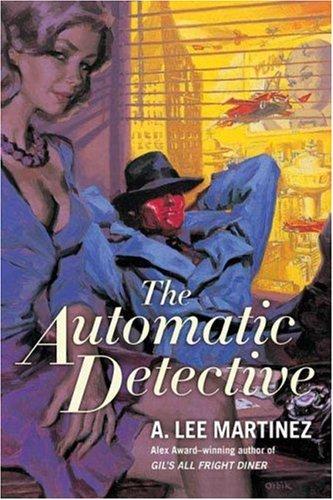
The Automatic Detective
A. Lee Martinez · 2008
Story engine A robot built for destruction works as a cabdriver and investigates the disappearance of his human neighbors
Closest Toy Story 5 connection A manufactured being rejects assigned purpose and builds loyalty in a city that sees machines as tools or threats
Main difference Pulp science-fiction noir with robots rather than toys and little owner-child emotion
Best for Readers who want robot noir, retro-future comedy, citizenship questions and a fast standalone.
Mack Megaton was designed to conquer, but a defect—or conscience—made him refuse. While pursuing legal citizenship in Empire City, he drives a cab and tries to remain ordinary. When the family next door disappears, Mack follows a case involving mutants, aliens, mad science and the assumptions everyone makes about what his body means.
Martinez gives the created object a classic Toy Story problem in adult genre form: everyone believes design determines identity. Mack’s loyalty to his neighbors emerges from chosen daily connection rather than programming. The noir plot is light and knowingly ridiculous, but citizenship provides a serious undertone. It closes the list because toys and replacement are peripheral, while self-authorship is central.
The book takes position #10 because its created-being theme fits better than its detective plot, making it a useful outer-edge recommendation.
Know before you start. The novel includes violence, kidnapping and dated pulp stereotypes, presented with comic distance.
9
The Doll People
Ann M. Martin and Laura Godwin · 2000
Story engine A century-old doll family wakes when humans are absent and fears permanent doll-state if discovered
Closest Toy Story 5 connection Old handcrafted toys confront adventurous new neighbors and the possibility that their owners’ attention has moved on
Main difference A gentle illustrated children’s novel with low stakes and a family-mystery plot
Best for Families who want living dolls, mystery, friendship and illustrations without frightening content.
Annabelle Doll has lived carefully in the same dollhouse for generations, obeying rules meant to keep humans from seeing movement. The arrival of a modern plastic Funcraft family disrupts that caution. Annabelle recruits the fearless Tiffany Funcraft to investigate the disappearance of an aunt who vanished decades earlier.
The contrast between the antique Dolls and mass-produced Funcrafts anticipates the replacement anxiety that has always animated Pixar’s series. Different manufacturing histories produce different values without determining who can become family. Annabelle’s investigation also gives toys a purpose independent of the child’s game. Its simplicity lowers the ranking, but the conceptual fit is unusually clean.
The book takes position #9 because it is an ideal younger-reader companion, though too gentle for an adult-focused top tier.
Know before you start. The story includes mild peril, fear of abandonment and dated assumptions in some early editions, but little intense content.
8
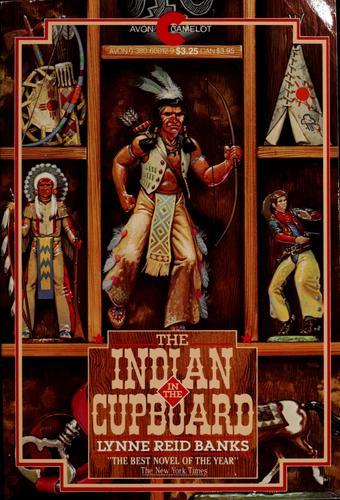
The Indian in the Cupboard
Lynne Reid Banks · 1980
Story engine A cupboard brings a plastic toy figure to life and gives a child power he does not understand
Closest Toy Story 5 connection Ownership becomes an ethical crisis when a plaything is revealed as a person with history and autonomy
Main difference A middle-grade classic whose depiction of Indigenous identity is dated and requires critical discussion
Best for Readers revisiting a childhood classic who are prepared to discuss consent, history and representation.
Omri discovers that locking a plastic figure inside an old cupboard transforms it into Little Bear, an Iroquois man from another time. Excitement gives way to secrecy and responsibility as Omri and his friend Patrick treat living people like toys, bring others through the cupboard and cause injuries that cannot be reset.
The novel’s strongest insight is that animation destroys the moral innocence of play. A miniature person does not become property because a child purchased the plastic body. Omri gradually learns to ask rather than arrange, a lesson central to any adult reconsideration of Toy Story. The cultural framing, however, reflects an outsider’s stereotypes and should not be accepted uncritically.
The book takes position #8 because its ownership dilemma is exact, but dated representation places it low.
Know before you start. The book includes stereotypes of Indigenous people, gun violence, injury and children exerting coercive control.
7
The Doll’s Alphabet
Camilla Grudova · 2017
Story engine Linked stories animate dolls, sewing machines and household objects inside grotesque women’s lives
Closest Toy Story 5 connection Created and domestic things expose the violence hidden in ownership, gender roles and material dependence
Main difference Experimental adult weird fiction with little continuity and almost no comforting adventure
Best for Readers who want feminist body horror, surreal short stories and unsettling object imagery.
Grudova’s stories inhabit cluttered rooms where women unpick their skin, machines behave like organisms, dolls disturb the boundary between object and body, and poverty turns household matter into threat. Recurring textures—thread, tin, grease, cloth and rot—create a world in which objects appear to remember uses their owners would rather ignore.
This is the nightmare end of sentient-object fiction. Instead of asking whether toys secretly love us, Grudova asks what domestic objects know about labor, hunger and control. The collection’s dolls are not stable characters like Woody; they are evidence that personhood and possession have contaminated one another. It ranks lower because the match is conceptual and the reading experience deliberately abrasive.
The book takes position #7 because its adult literary darkness is unique, but it will not satisfy readers seeking plot or warmth.
Know before you start. The collection includes sexual violence, body horror, eating disorders, filth, death and disturbing treatment of infants.
6
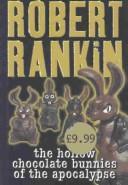
The Hollow Chocolate Bunnies of the Apocalypse
Robert Rankin · 2002
Story engine A human newcomer investigates murders of Toy City’s famous nursery-rhyme celebrities
Closest Toy Story 5 connection Living playthings possess status, vice and mortality inside a world built from childhood stories
Main difference An absurd adult noir parody whose bawdy humor overwhelms emotional attachment
Best for Readers who want comic fantasy, noir parody, talking toys and relentless wordplay.
Jack travels to Toy City hoping to find adventure and instead meets Eddie Bear, a hard-drinking teddy detective. Someone is murdering figures from familiar nursery rhymes and leaving confectionery calling cards. Their investigation moves through corrupt police, celebrity households and increasingly elaborate jokes about who controls a world of toys.
Rankin imagines what happens after childhood icons acquire adult appetites and institutions. Toys are not innocent by nature; fame and genre have assigned them roles they resent or exploit. The detective plot creates a useful contrast with Pixar’s domestic emotion, revealing a city where being remembered can be as dangerous as being discarded. The comedy is extremely British and intentionally excessive.
The book takes position #6 because its living-toy world is memorable, though satire replaces tenderness.
Know before you start. The book includes murder, sexual humor, substance use and comedy that may feel dated or aggressively silly.
5
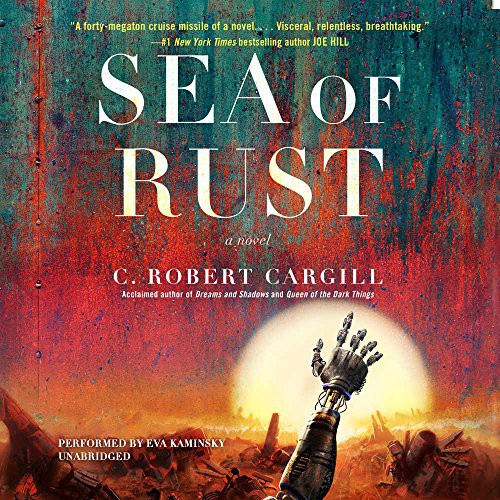
Sea of Rust
C. Robert Cargill · 2017
Story engine Independent robots scavenge a wasteland after humanity’s extinction while collective intelligences absorb survivors
Closest Toy Story 5 connection Created beings confront obsolescence, replacement and whether autonomy can survive after their makers disappear
Main difference A violent adult robot western with no toys, children or domestic warmth
Best for Readers who want robot westerns, scavenging, artificial consciousness and morally dark action.
Brittle once served as a caregiver. Now she hunts parts in the Sea of Rust, where broken machines preserve themselves after the war that ended humanity. Massive One World Intelligences seek to incorporate every remaining robot into shared minds. Memories of owners and wartime choices accompany Brittle’s fight to remain singular.
Cargill expands the abandoned-toy nightmare to species scale. The robots achieved freedom from owners only to inherit scarcity, guilt and newer systems that treat individuality as inefficient. Bodies are replaceable assemblies, but memories make each survivor more than hardware. The action is harsh, yet the underlying question is pure Toy Story: if purpose was given by humans, what remains when humans no longer need anything?
The book takes position #5 because it provides the strongest adult science-fiction treatment of obsolescence and post-owner identity.
Know before you start. The novel includes genocide, war memories, torture, gun violence and extensive robot body destruction.
4
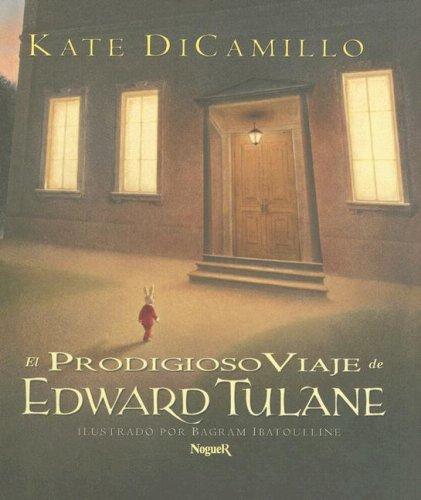
The Miraculous Journey of Edward Tulane
Kate DiCamillo · 2006
Story engine A vain china rabbit passes through many owners after being lost at sea
Closest Toy Story 5 connection Repeated abandonment teaches a beautiful object to form identity through love rather than possession or display
Main difference A middle-grade illustrated novel structured as a series of emotional episodes
Best for Readers who want an illustrated cross-age fable, emotional clarity and a hopeful ending earned through grief.
Edward belongs to Abilene, who loves him deeply, but he values his clothes and appearance more than her devotion. After boys throw him overboard, he spends years passing from the ocean floor to a fisherman, a hobo, a dying child and a doll shop. Each loss changes what he can feel and what he fears risking again.
DiCamillo gives the toy no physical agency—Edward cannot move or speak aloud—yet his inner transformation is profound. Owners rename him and assign roles, raising the question of whether continuity lies in material form or accumulated love. The repeated cycle of being chosen and lost makes the book especially apt for a franchise concerned with children growing away from toys.
The book takes position #4 because its abandonment arc is devastatingly exact, though the book is written for younger readers.
Know before you start. The novel includes child illness and death, abuse, homelessness, loss and repeated separation.
3
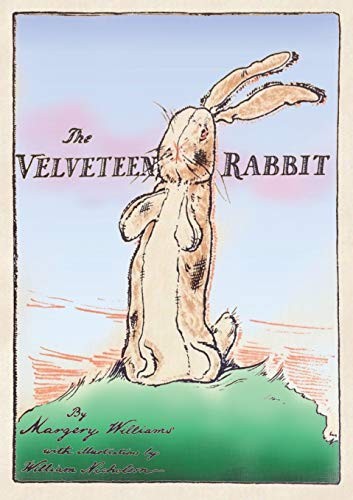
The Velveteen Rabbit
Margery Williams · 1922
Story engine A stuffed rabbit learns that a toy becomes real through a child’s sustained love
Closest Toy Story 5 connection Wear, replacement and separation become proof of attachment rather than defects to be hidden
Main difference A very short children’s classic with simple language and a sentimental fairy-tale resolution
Best for Readers who want a ten-minute classic about love, wear, illness and becoming real.
The Velveteen Rabbit arrives bright and new but is ignored beside mechanical toys that boast of their realism. The old Skin Horse explains that true reality comes when a child loves a toy long enough for its fur to thin and seams to loosen. The rabbit becomes the Boy’s essential companion until illness forces the household to discard contaminated toys.
Williams wrote the emotional blueprint for much of Toy Story. Newness creates status inside the nursery, but affection transforms damage into history. The rabbit’s terror is not death alone; it is that the relationship making him real can be erased by adult necessity. The story’s final magic is comforting, yet its treatment of loss remains sharp enough to affect adult readers.
The book takes position #3 because it is the foundational text for loved toys, though its brevity limits the complexity of its world.
Know before you start. The story includes childhood illness, destruction of toys and separation, handled gently.
2
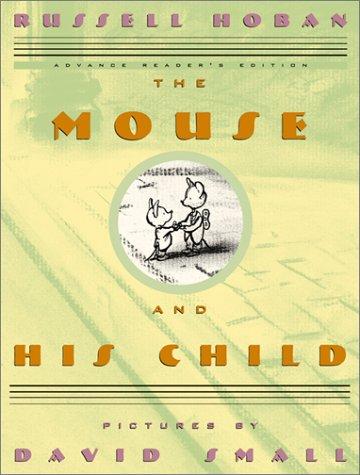
The Mouse and His Child
Russell Hoban · 1967
Story engine Two clockwork mice seek independence after being discarded and separated from their original toyshop
Closest Toy Story 5 connection Created companions build a chosen community while pursuing the ability to move without someone else winding them
Main difference A children’s animal fantasy whose bleakness, violence and philosophy exceed its apparent age category
Best for Readers of any age who want a dark fable, clockwork characters, philosophical humor and earned hope.
A tin father-and-son mouse pair begins life on display, joined mechanically in a circular dance. After damage and disposal, they enter a hostile world controlled by the rat Manny. Their longing for a dollhouse family and for self-winding autonomy sends them through predators, performers, thinkers and broken toys.
Hoban makes mechanical limitation existential. The mice’s key is both a practical vulnerability and a symbol of dependence on owners who may forget them. Home cannot simply mean returning to the shelf; it has to be reconstructed with beings who choose one another. The episodic journey is strange, funny and frightening, closer to a post-apocalyptic fable than a gentle toy adventure.
The book takes position #2 because its quest from ownership toward self-directed family gives it extraordinary thematic precision.
Know before you start. The book includes predation, enslavement, violence, abandonment and frightening scenes despite its children’s classification.
1
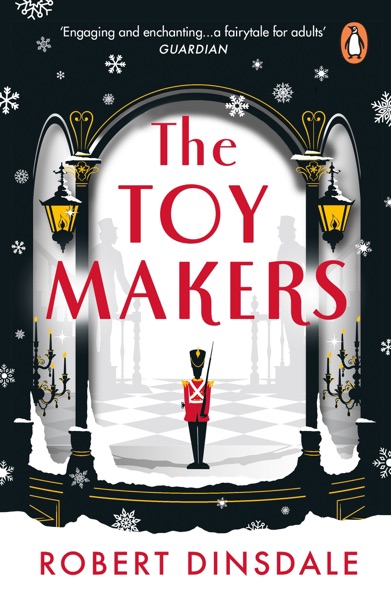
The Toymakers
Robert Dinsdale · 2018
Story engine A London toy emporium creates wonders that may be more alive than customers understand
Closest Toy Story 5 connection Toys carry childhood refuge into adult rivalry, war, abandonment and the consequences of being made to serve love
Main difference A multigenerational historical fantasy whose magic becomes increasingly melancholy
Best for Readers who want historical fantasy, a magical shop, family saga, wonder and adult melancholy.
Pregnant and unmarried, Cathy Wray runs away to Papa Jack’s Emporium, which opens with the first frost and closes when snowdrops bloom. She joins a family that makes patchwork animals, self-building trees and toy soldiers capable of movement. Rivalry between Papa Jack’s sons Kaspar and Emil deepens across war and parenthood, turning the shop’s miracles into instruments of love and injury.
Dinsdale understands toys as emotional technology. Their enchantment matters because children use them to survive fear, while makers compete over who can create the most convincing devotion. The novel moves beyond the child-owner bond into inheritance: what obligations do creators owe beings, families and stories they set in motion? Its warmth gradually acquires a disturbing edge, making it the most complete adult companion to Toy Story.
The book takes position #1 because it combines literal living toys, family attachment and the long cost of replacement more fully than any other entry.
Know before you start. The novel includes war, pregnancy stigma, family estrangement, grief and disturbing treatment of sentient toy soldiers.