Ranked · Horror
The Top 10 Horror and Science-Fiction Books About People Sealed Inside Like The Last House
by E. M. Larkin
A ranked guide to trapped families, uncertain dangers, sealed refuges, survival rules, domestic secrets, and doors that may be safer closed
Netflix’s The Last House arrives on August 7, 2026 with a premise built for instant curiosity: a family has remained sealed inside its home for years, preserving rules and stories that may be protection, imprisonment or both. The title has broad thriller appeal, but the exact reading question is still unusually open. This list focuses on fiction in which shelter becomes a pressure chamber and the people inside cannot agree about what waits beyond it.
Every ranked book makes enclosure consequential. Some characters are literally trapped in a bathroom, apartment, cabin or house; others occupy a temporary refuge while plague, invasion or social collapse makes the threshold dangerous. The key is not generic haunted-house atmosphere. The walls must control information, intensify family conflict and turn the decision to open a door into a moral risk.
The ranking favors domestic claustrophobia, uncertain external danger and groups whose internal stories become almost as threatening as the outside world. The highest choices most closely reproduce the central Last House tension: staying inside may preserve life, but it also gives fear, authority and buried resentment time to become a complete social system.
Selection note. The books are ranked for enclosure, uncertain external danger and conflict among people sharing a refuge. Several are apocalyptic, but spectacle matters less here than what prolonged shelter does to trust.
10
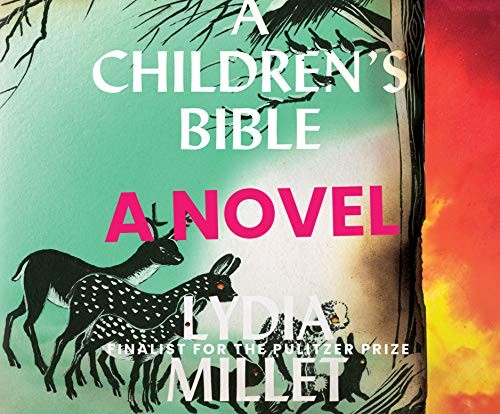
A Children’s Bible
Lydia Millet · 2020
Core enclosure Children and negligent parents retreat to a large vacation house while an extreme storm cuts them off
Closest The Last House connection A damaged family unit treats a temporary building as refuge while the world beyond it becomes less legible
Main difference A literary climate parable with a large ensemble rather than a tightly sealed horror chamber
Best for Literary apocalypse, climate fiction, intergenerational conflict, compressed prose and dark satire
Several families share a summer estate, where the adults drink and evade responsibility while their children form a sharper, more practical society. A catastrophic storm turns generational embarrassment into survival. The children move between the house and a landscape in which institutions, roads and parental authority are all failing at once.
Millet ranks tenth because the enclosure is permeable, yet the novel understands how quickly a shelter accumulates rules and myths. Its biblical echoes make disaster feel both immediate and rehearsed. Readers interested in the children of The Last House—people asked to inherit adults’ fear without being told the truth—will find the strongest connection.
Know before you start. Includes severe weather, animal death, neglect, substance abuse and religious imagery. The book is deliberately allegorical and emotionally cool.
9
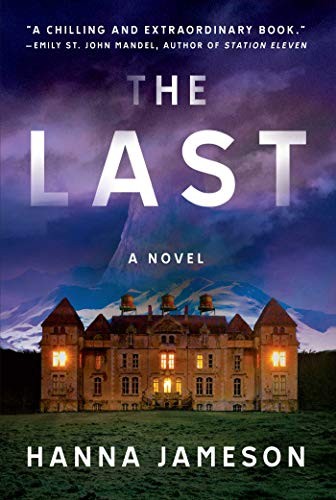
The Last
Hanna Jameson · 2019
Core enclosure Survivors shelter in an isolated Swiss hotel after nuclear attacks sever them from the world
Closest The Last House connection A closed refuge becomes its own anxious society while nobody knows whether leaving is safer
Main difference The inhabitants are unrelated hotel guests, and a murder investigation drives much of the plot
Best for Post-nuclear suspense, an amateur investigation, unreliable records, group politics and an international cast
American historian Jon Keller is attending a conference when nuclear attacks destroy major cities. He and a shrinking group of guests remain in a remote hotel with limited information, uncertain supplies and no trustworthy route home. When a child’s body is found in a water tank, the refuge acquires an internal crime it cannot blame on the vanished world.
The hotel is larger than a family home, but Jameson uses it as a sealed social experiment. Rumor fills the space left by communications, and Jon’s attempt to document events becomes another form of control. It ranks ninth for readers who want enclosure plus mystery, especially the suspicion that the safest-looking group may contain its own predator.
Know before you start. Includes suicide, murder, child death, radiation fears and social collapse. The mystery resolution is less central than the survivors’ psychology.
8
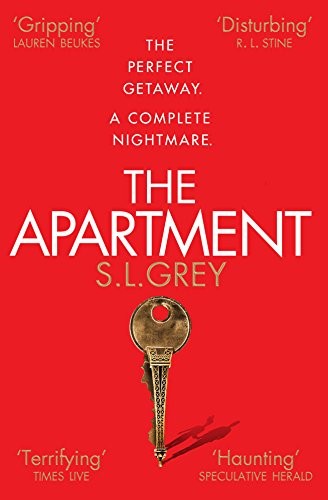
The Apartment
S. L. Grey · 2016
Core enclosure A grieving couple enter a home-exchange arrangement that turns domestic escape into an uncanny trap
Closest The Last House connection A supposedly protective home becomes a system whose rules the occupants do not understand
Main difference The novel moves between Cape Town and Paris and uses surreal urban horror rather than apocalypse
Best for Uncanny apartments, relationship strain, home-invasion aftermath, urban surrealism and short atmospheric chapters
After a violent break-in, Mark and Steph accept a bargain home swap in Paris, hoping distance will repair their sense of safety. The apartment waiting for them is dirty, hostile and increasingly difficult to leave, while their exchange partners occupy the couple’s home in Cape Town. Familiar domestic boundaries begin to feel porous in both cities.
Grey’s novel turns shelter into a transaction with hidden terms. The couple’s trauma makes retreat understandable, yet every attempt to secure themselves deepens their entanglement. It ranks eighth because its dream logic is more pronounced than The Last House’s family-thriller frame, but the fear of discovering that refuge was chosen for you is an excellent match.
Know before you start. Includes violence, grief, xenophobia, addiction references and disturbing living conditions. Explanations remain deliberately incomplete.
7
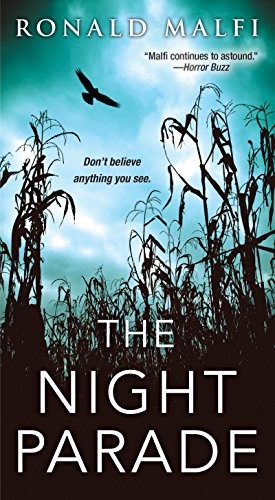
The Night Parade
Ronald Malfi · 2016
Core enclosure A father hides his daughter from a lethal pandemic and from authorities seeking unusual survivors
Closest The Last House connection Parental protection depends on controlling movement and withholding frightening information from a child
Main difference Much of the story is a road narrative rather than a single-location siege
Best for Pandemic horror, father-daughter stakes, desperate travel, moral ambiguity and an accessible thriller pace
A disease called Wanderer’s Folly has killed millions and altered the routines of everyone left. David Arlen moves through a devastated America with his daughter Ellie while concealing facts about her health and her possible value to researchers. Motels, vehicles and temporary rooms become fragile capsules against infection and pursuit.
The strongest connection is parental secrecy. David’s love is real, but his version of safety requires Ellie to accept a world he edits for her. Malfi makes each shelter temporary, showing the emotional logic that could eventually produce a family permanently sealed inside. It ranks seventh because the travel structure relieves the claustrophobia more often than the higher books do.
Know before you start. Includes mass death, illness, child endangerment, violence and grief. The pandemic material may be intense for readers sensitive to outbreak fiction.
6
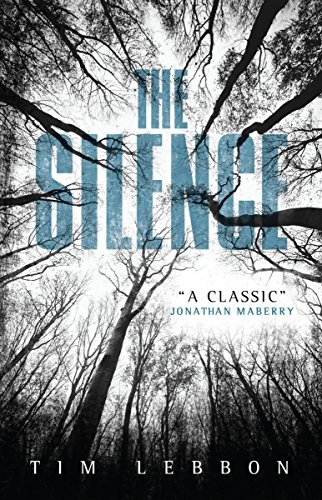
The Silence
Tim Lebbon · 2015
Core enclosure A family barricades itself against flying predators that hunt by sound
Closest The Last House connection Survival inside the home depends on strict sensory rules that quickly reorganize family behavior
Main difference The external threat is concrete and creature-driven rather than psychologically ambiguous
Best for Fast creature horror, family survival, sensory suspense, hostile cults and a compact apocalypse
When a newly opened cave system releases swarming creatures that attack anything they hear, Ally and her family learn to communicate through sign language and silence. Their house offers only temporary defense as infrastructure collapses, religious opportunists emerge and every accidental noise can reveal a location.
Lebbon gives enclosure a clear operating rule: quiet is life. That makes ordinary domestic actions dangerous and turns the family’s existing knowledge of sign language into an advantage. It ranks sixth because the monsters are quickly verified, reducing the uncertainty central to The Last House, but the transformation of a household into a disciplined survival unit is exceptionally close.
Know before you start. Includes graphic attacks, animal peril, disability-related themes and violence against family members. It was published before the similarly premised film A Quiet Place.
5
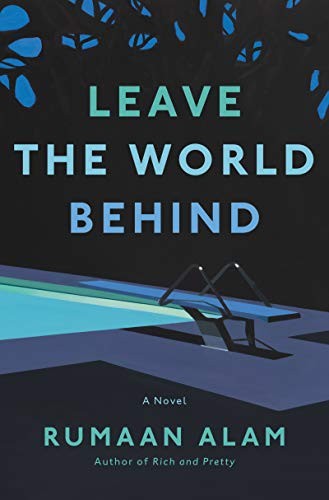
Leave the World Behind
Rumaan Alam · 2020
Core enclosure Two families share an isolated vacation home while an undefined national emergency removes reliable information
Closest The Last House connection The building becomes a contested refuge whose occupants cannot verify the danger or one another’s authority
Main difference A literary social thriller more interested in uncertainty and race than conventional plot answers
Best for Ambiguous disaster, social tension, literary suspense, a small cast and endings that preserve uncertainty
Amanda and Clay’s vacation is interrupted when the house’s owners, G. H. and Ruth, arrive at night reporting a blackout in New York. Phones and television provide little guidance. Strange animal movements, distant sounds and physical symptoms suggest something enormous, but the people inside must decide what to believe before evidence becomes usable.
This is the list’s purest study of informational enclosure. The walls do not merely keep danger out; they isolate the characters with prejudices, guesses and competing claims of ownership. It ranks fifth because the temporary rental lacks The Last House’s multiyear mythology, yet Alam captures how rapidly ordinary people create stories when the outside world stops answering.
Know before you start. Includes racism, illness, animal disturbance, child peril and unresolved catastrophe. Readers seeking a fully explained apocalypse may be frustrated.
4
The Taking
Dean Koontz · 2004
Core enclosure A couple shelters at home during an uncanny rain and an invasion that resists scientific explanation
Closest The Last House connection A familiar house becomes a last defensible island while the occupants interpret terrifying signs outside
Main difference A maximalist supernatural apocalypse with explicit cosmic and spiritual dimensions
Best for Apocalyptic horror, eerie weather, a married couple under pressure, spiritual imagery and rapid escalation
Molly and Neil Sloan wake to luminous rain falling over their California mountain home. Communications bring fragments of worldwide catastrophe, animals behave strangely and new forms of life appear in the wet dark. Their attempt to shelter soon expands into a rescue effort as they confront a transformation that may be alien, supernatural or both.
Koontz makes the threshold vivid: windows, doors and the rain beyond them become charged with meaning. Molly’s interpretations move between science, memory and faith, much as a long-sealed family might construct doctrine from incomplete evidence. It ranks fourth for its domestic opening and escalating dread, though its later moral cosmology is more decisive than The Last House appears to be.
Know before you start. Includes child endangerment, mass death, grotesque creatures and religious themes. The prose is intense and sometimes deliberately operatic.
3
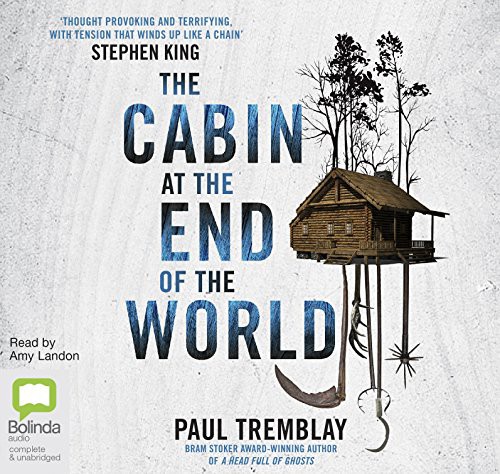
The Cabin at the End of the World
Paul Tremblay · 2018
Core enclosure A family is held inside a remote cabin by strangers claiming that sacrifice will prevent apocalypse
Closest The Last House connection Adults impose a terrifying account of the outside world, and the family cannot verify whether obedience is salvation
Main difference A short home-invasion novel built around immediate coercion rather than years of isolation
Best for Home invasion, queer family stakes, moral dilemmas, ambiguous apocalypse and sustained single-location tension
Wen and her fathers, Eric and Andrew, are vacationing when four strangers arrive with improvised weapons and an impossible demand. The intruders insist they are not hateful and that the family must choose a member to die. Television reports may confirm their warnings—or may simply be interpreted to fit a delusion.
Tremblay ranks third because it makes belief itself the lock on the door. The family faces physical captivity, but the deeper trap is epistemic: every refusal can be called proof of selfishness, and every catastrophe can validate the captors. That combination of domestic love, enforced rules and unknowable external stakes is central to The Last House’s appeal.
Know before you start. Includes graphic violence, child peril, homophobia, captivity and death. The novel differs significantly from its film adaptation, especially in later events.
2
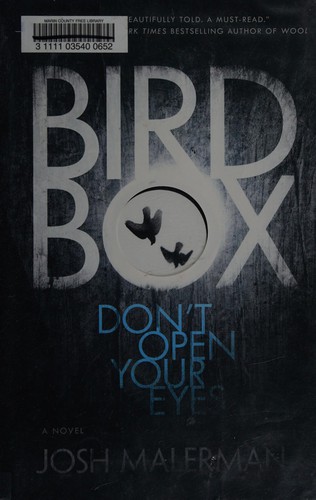
Bird Box
Josh Malerman · 2014
Core enclosure Survivors board windows and blindfold themselves because seeing an outside presence triggers lethal madness
Closest The Last House connection Protection requires a household to accept strict rules without ever receiving a complete explanation
Main difference The story alternates between communal shelter and a blindfolded river journey
Best for Unseen monsters, survival training, nonlinear suspense, maternal ferocity and a completed opening arc with sequels available
Malorie enters a house where survivors live behind covered windows while an unseen phenomenon spreads worldwide. Years later, she raises two children according to exacting routines designed for a world they have never safely seen. A river journey forces the family to test training built almost entirely from fear, inference and sound.
The parent-child structure earns second place. Malorie’s rules save lives, yet the children experience protection as a total environment with little tenderness and no independent evidence. The book asks when vigilance becomes identity and whether a family trained for danger can recognize safety. Few novels come closer to the psychology of a home sealed long enough to become a worldview.
Know before you start. Includes suicide, violence, pregnancy under extreme stress, child endangerment and animal harm. The threat’s nature remains largely unexplained.
1
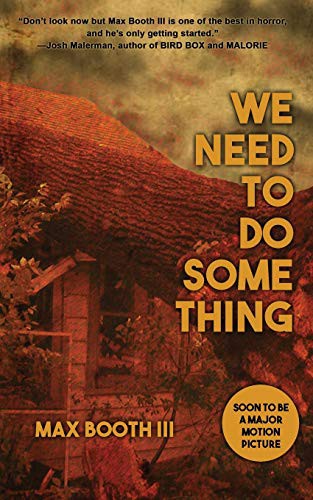
We Need to Do Something
Max Booth III · 2020
Core enclosure A family is trapped in one bathroom after a storm and begins consuming itself psychologically
Closest The Last House connection Domestic secrets, parental authority and uncertainty outside turn a shelter into an intimate prison
Main difference A much shorter, harsher chamber piece with grotesque comedy and no expansive backstory
Best for Extreme claustrophobia, dysfunctional-family horror, a one-sitting read, bleak humor and escalating unreliability
Melissa enters the bathroom with her younger brother and parents as a tornado warning sounds. A fallen tree blocks the only door. With phones failing, food disappearing and no rescue arriving, the family’s existing tensions become impossible to avoid. Melissa also suspects that something she and her girlfriend did before the storm may be connected to what is happening.
This ranks first because no other choice makes the domestic trap so literal or the family story so corrosive. The bathroom supplies almost no visual evidence of the world, which lets shame, supernatural possibility and parental violence compete as explanations. Booth understands that enclosure does not create dysfunction; it removes the exits that once allowed everyone to pretend it was manageable.
Know before you start. Includes domestic abuse, homophobia, self-harm, animal death, bodily waste and graphic violence. The tone is deliberately nasty and the ending offers limited reassurance.
Which Sealed-Inside Book Should You Read First?
Where to start. Start with We Need to Do Something for the closest physical and emotional match: one family, one tiny shelter and no reliable account of the outside. Choose Bird Box if the most compelling part of The Last House is a parent raising children inside rules whose origin they cannot independently test.
Read The Cabin at the End of the World for coercion and disputed apocalypse, or Leave the World Behind for adult strangers contesting information in a temporary refuge. The Silence and The Taking are the clearest creature-driven options; both explain more of the external danger and move faster.
The Apartment is the uncanny urban choice, The Last adds a murder mystery and The Night Parade turns shelter into a series of temporary hiding places. Save A Children’s Bible for a cooler, more literary treatment of children inheriting the consequences of adults who would rather not explain themselves.
The best sealed-inside fiction treats a building as more than protection. A refuge controls who can gather evidence, who writes the rules and how fear is passed from one generation to the next. Once the occupants cannot compare their story with the world, family authority and survival protocol begin to look dangerously alike.
We Need to Do Something takes first place because it compresses that problem to its ugliest scale. Bird Box expands it across years and childhood. Together, the list shows why The Last House has such a strong reading hook: the door matters, but the real suspense lies in discovering who benefits when nobody is allowed to open it.